How to Evaluate Paint Protection Film Quality Before Installation
Shopping for high quality paint protection film isn't like buying a car accessory off a shelf. You're making a real investment in a vehicle you care about, and the difference between a premium installation and a mediocre one can show up in ways that are hard and expensive to fix after the fact.
The problem is that most shops sound pretty similar when they're pitching their services. Everyone claims to use the best products. Everyone says their installers are experienced. What you actually need are specific things to look at, ask about, and assess on your own before any film goes on your vehicle.
This guide gives you that framework. Not to turn you into an overnight expert, but to give you enough knowledge to ask the right questions and feel confident about where you take your car. At Prestige Pro Care in San Dimas, CA, we've spent over 16 years in this industry and genuinely believe an informed customer makes the whole process better.
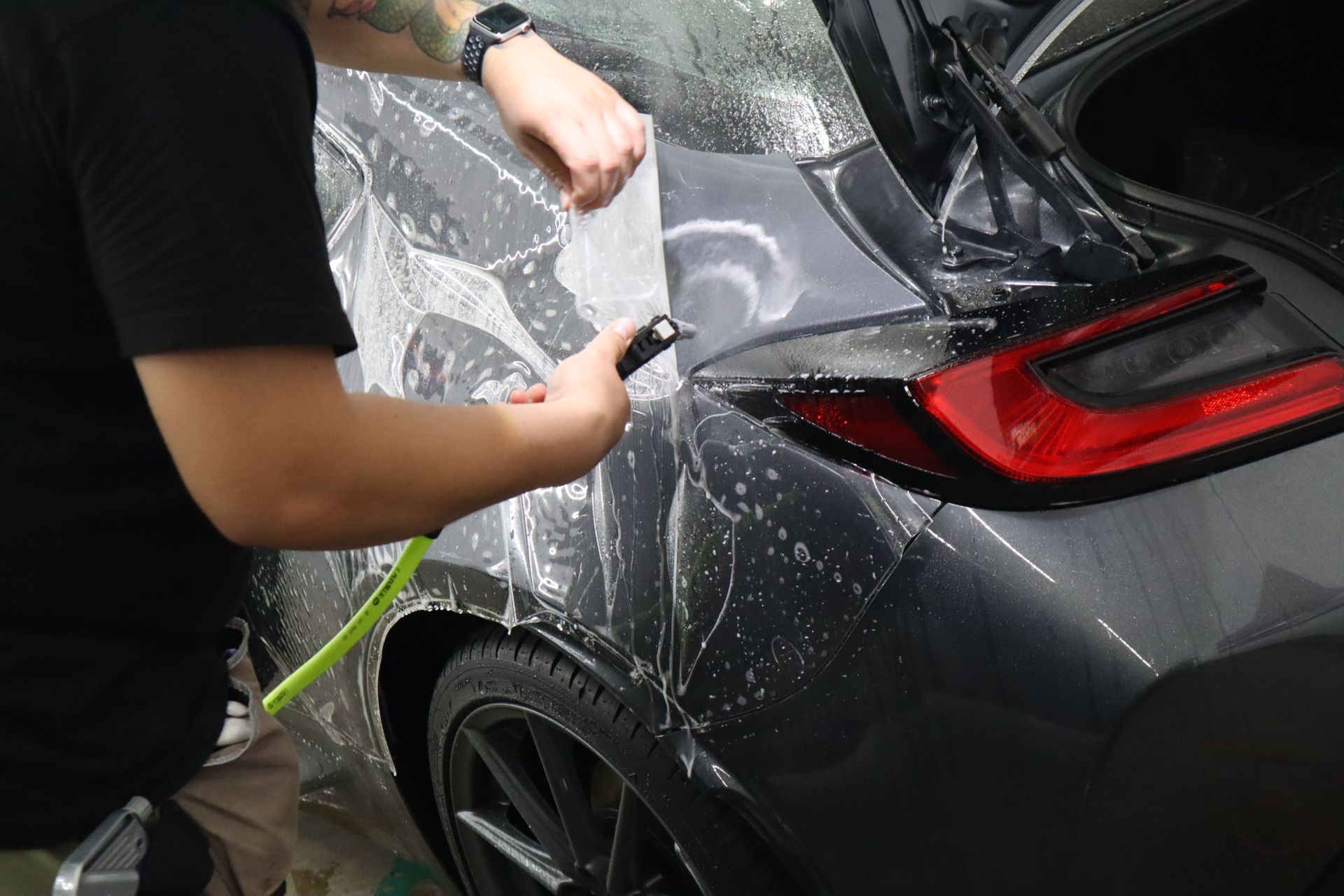
What Film Material Quality Actually Looks Like
The foundation of any PPF job is the film itself. High quality paint protection film starts with the product, and not all films are created equal. Before you agree to anything, it's worth understanding what separates a premium film from a budget option.
Here's what to pay attention to:
- Clarity: A quality film should be optically clear. Any haze, cloudiness, or visible tint right out of the box is a sign of lower-grade material that will affect how your paint looks underneath it.
- Self-healing properties: Premium films have a topcoat that responds to heat and sunlight. Minor surface marks fade on their own when the film warms up. Ask the shop to walk you through how this works on the product they use.
- Brand reputation: Films from established, certified manufacturers come with documented performance data and manufacturer-backed warranties. At Prestige Pro Care, we work with XPEL, a brand with a proven track record in the industry.
If a shop is vague about the film brand they're using or reluctant to show product documentation, that's worth noting before you commit.
Assessing the Installation Facility
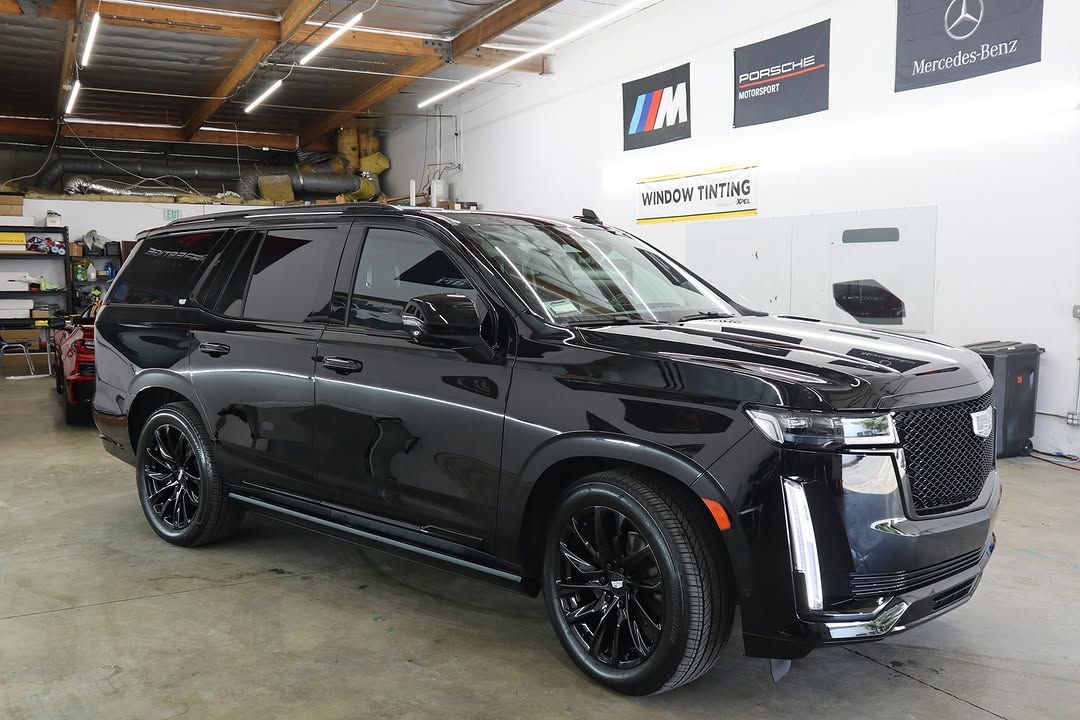
The environment where your film gets installed matters. PPF application is sensitive work, and dust, poor lighting, or a disorganized workspace all affect its quality. When you visit a shop, take a look around:
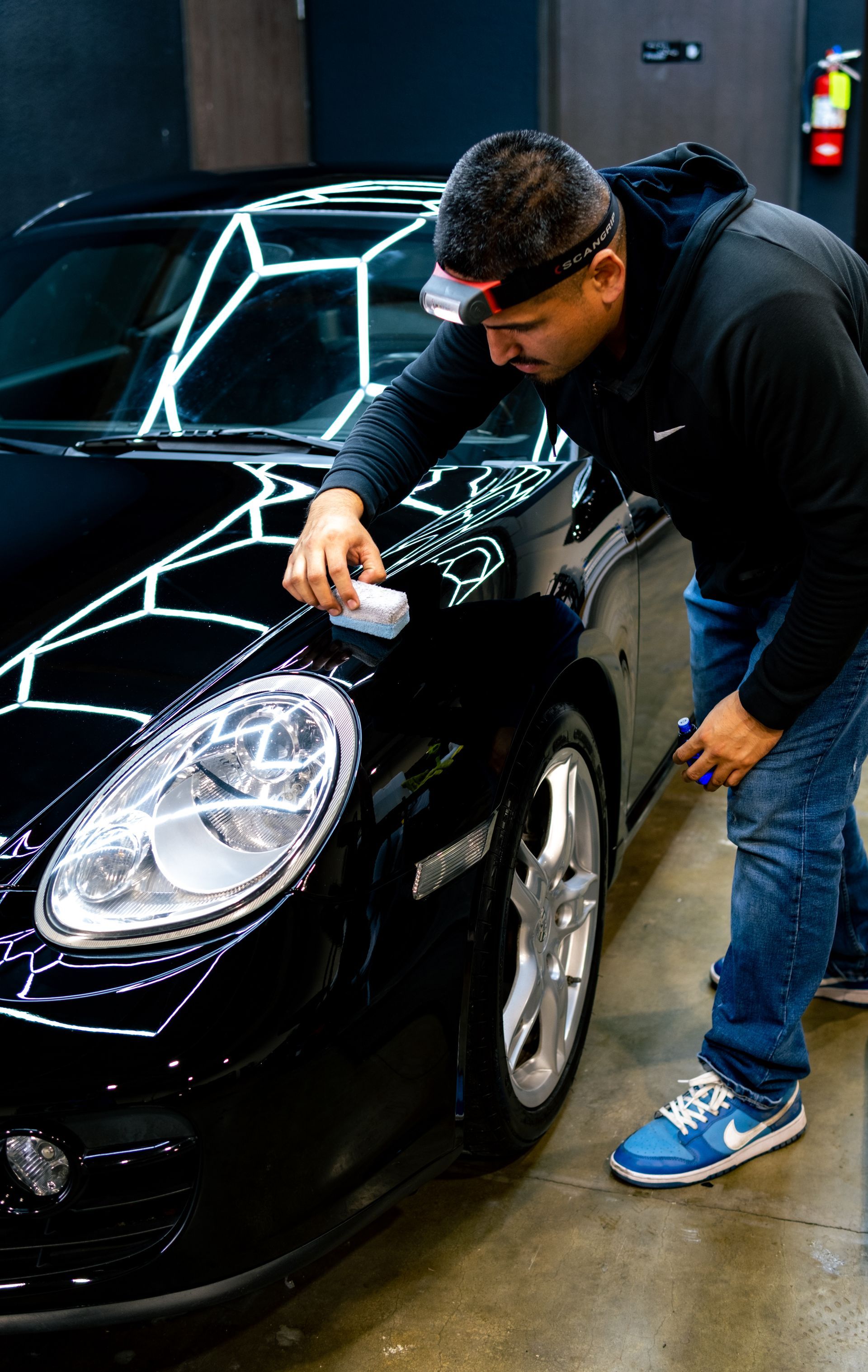
- Lighting: Good installers work under strong, even lighting. It's the only way to spot air bubbles, misaligned edges, and contamination during and after installation.
- Cleanliness: The workspace should be clean and controlled. Dust on a paint surface during installation gets trapped under the film. There's no fixing that after the fact.
- Workspace organization: A controlled, organized workspace signals that the shop takes the process seriously. PPF application needs a focused environment to produce consistent, clean results.
- Equipment: Look for proper tools, including squeegees, heat guns, and cutting tools. Computer-cut film patterns, like the ones used at Prestige Pro Care, require specialized equipment that not every shop invests in.
You don't need to interrogate the staff. Just pay attention to what you see when you walk in.
Installer Credentials and Experience
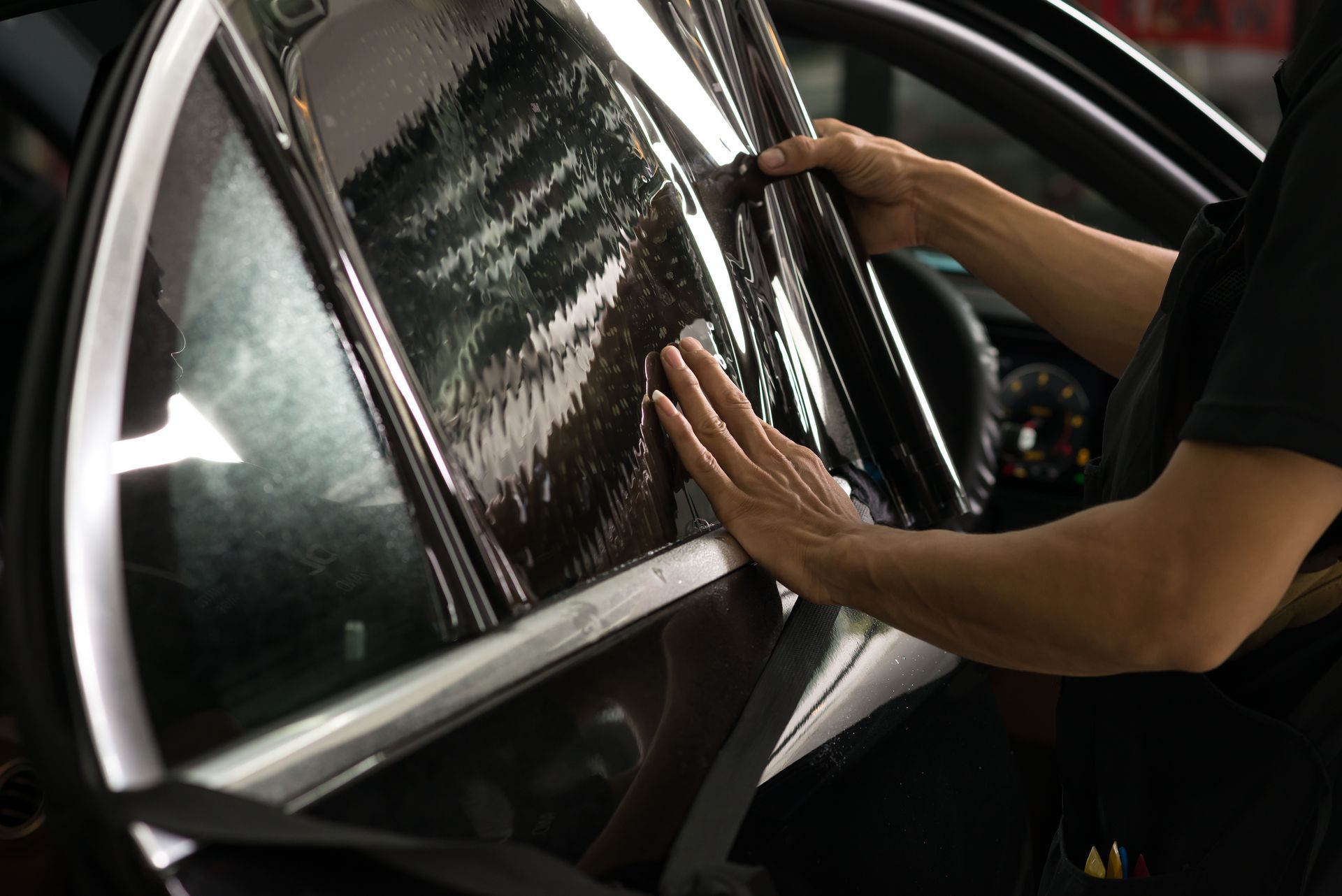
High quality paint protection film results depend almost entirely on the person applying the film. The product can be excellent and still look poor if the installation isn't done with real skill and experience.
A few things to look for:
- Manufacturer certification: Certified installers complete formal training through the film manufacturer and meet ongoing standards. At Prestige Pro Care, our team is XPEL-certified, meaning our process meets what the manufacturer requires.
- Years of hands-on experience: Ask how long the installer has been doing PPF specifically, not just vehicle work in general. PPF is a specialty. The team at Prestige Pro Care has been refining this craft for over 16 years.
- Vehicle-specific experience: High-end vehicles like Porsches, BMWs, and Teslas have complex curves and panel gaps that require extra skill. Ask whether the installer has worked on your specific make and model.
- Ongoing training: The industry evolves. Shops that invest in staying current with new products and techniques produce better results consistently.
Reading a Before-and-After Portfolio
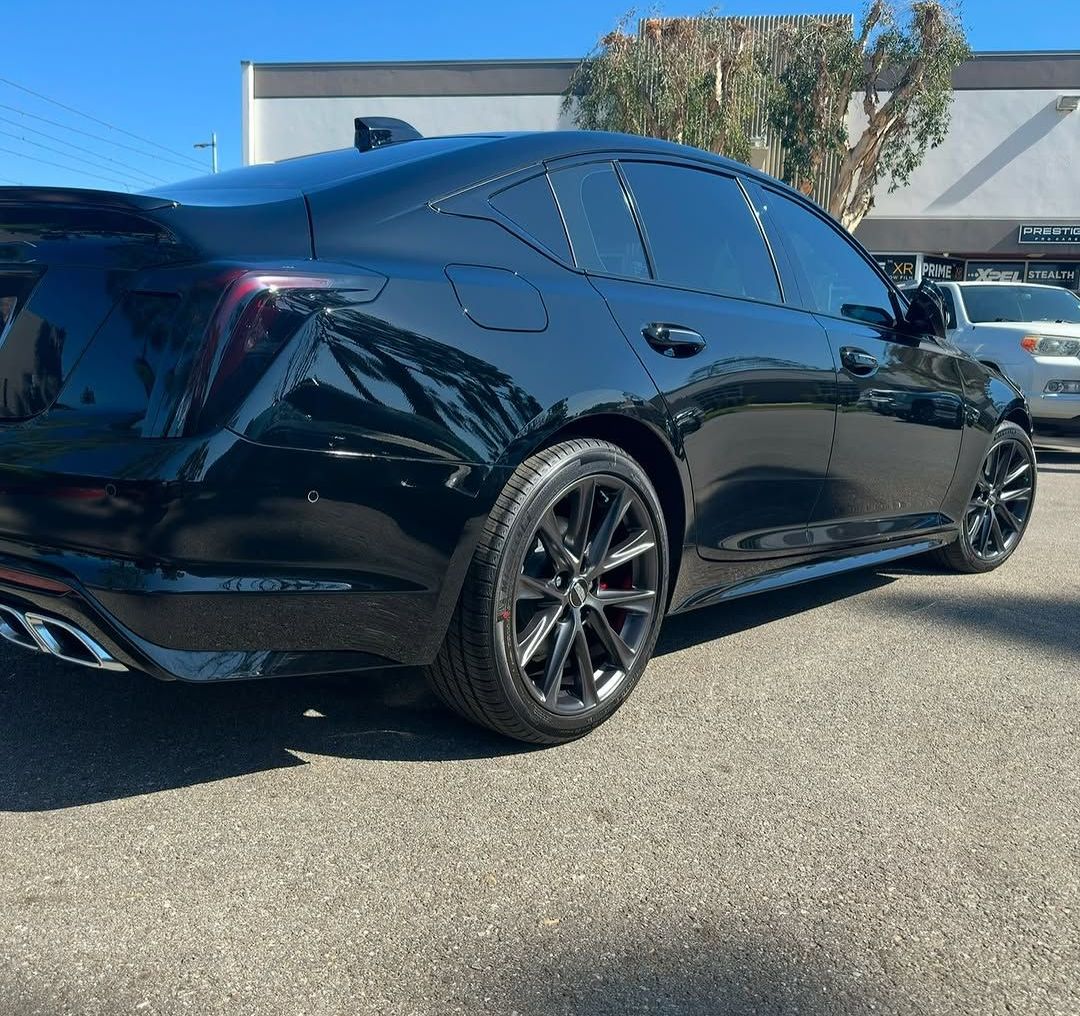
Any shop worth considering should have a portfolio of completed work. When reviewing it, look for:
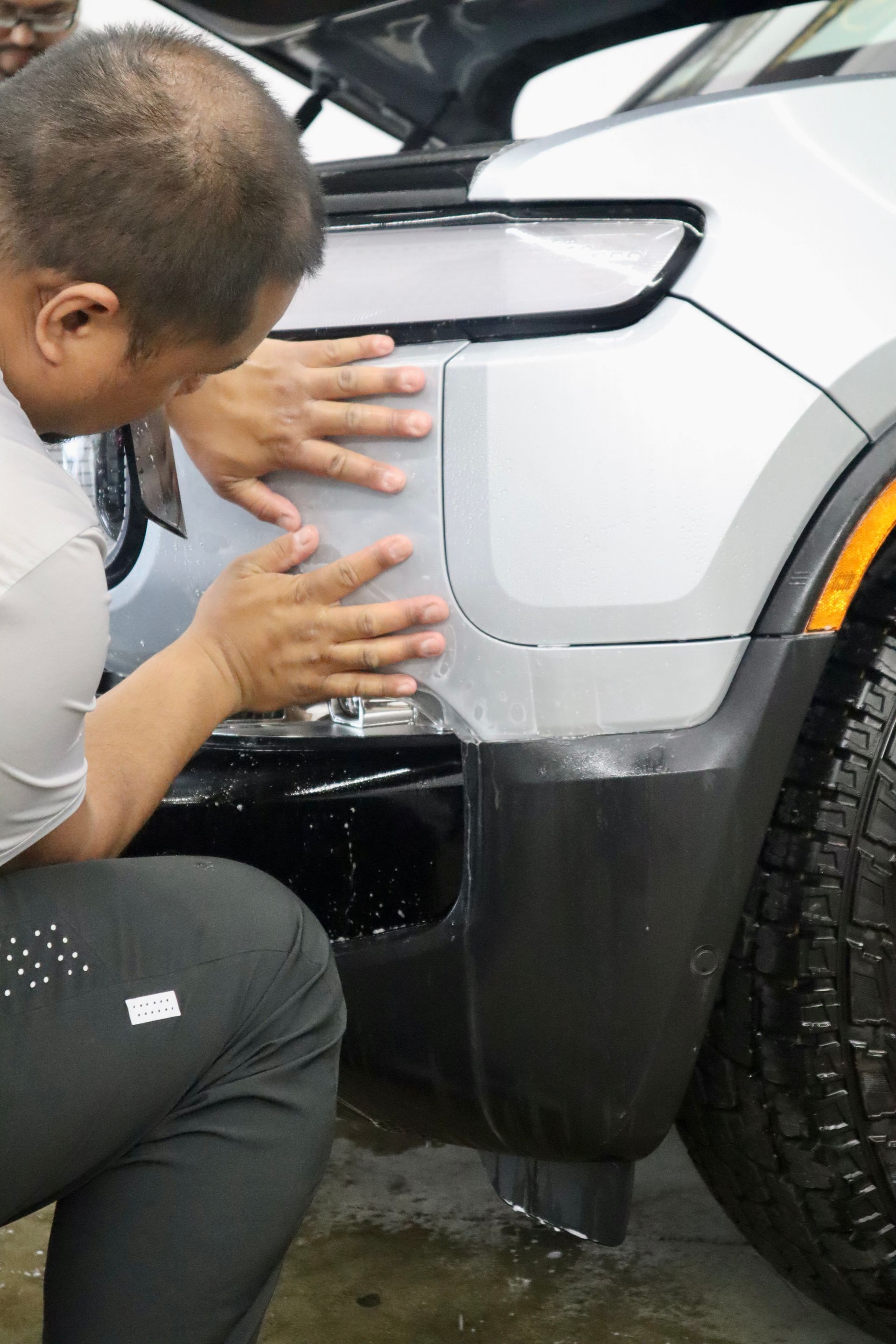
- Edge quality: Clean, tight edges with no lifting, bubbling, or visible overhang. Sloppy edges are one of the most common signs of a rushed or undertrained installer.
- Seam placement: On full vehicle installs, seams are unavoidable. Well-placed seams follow natural body lines and aren't obvious at a normal viewing distance.
- Surface consistency: The film should look uniform across panels with no waviness or areas that look stressed or stretched.
- Vehicle variety: A portfolio showing work across different makes, models, and panel types tells you the shop handles more than simple jobs.
Check their reviews from real customers to see how the finished product held up over time, not just on day one.
Technology and Equipment Standards
The tools a shop uses directly affect installation quality. Computer-cut film patterns are matched to your vehicle's exact dimensions, which reduces hand-cutting errors and produces cleaner edges on complex panels.
At Prestige Pro Care, both computer-cut and custom hand-cut installations are offered depending on the vehicle and coverage needed. Some exotic vehicles or rare models don't have existing computer patterns available, and that's where experienced hand-cutting becomes important.
Other technology markers worth asking about:
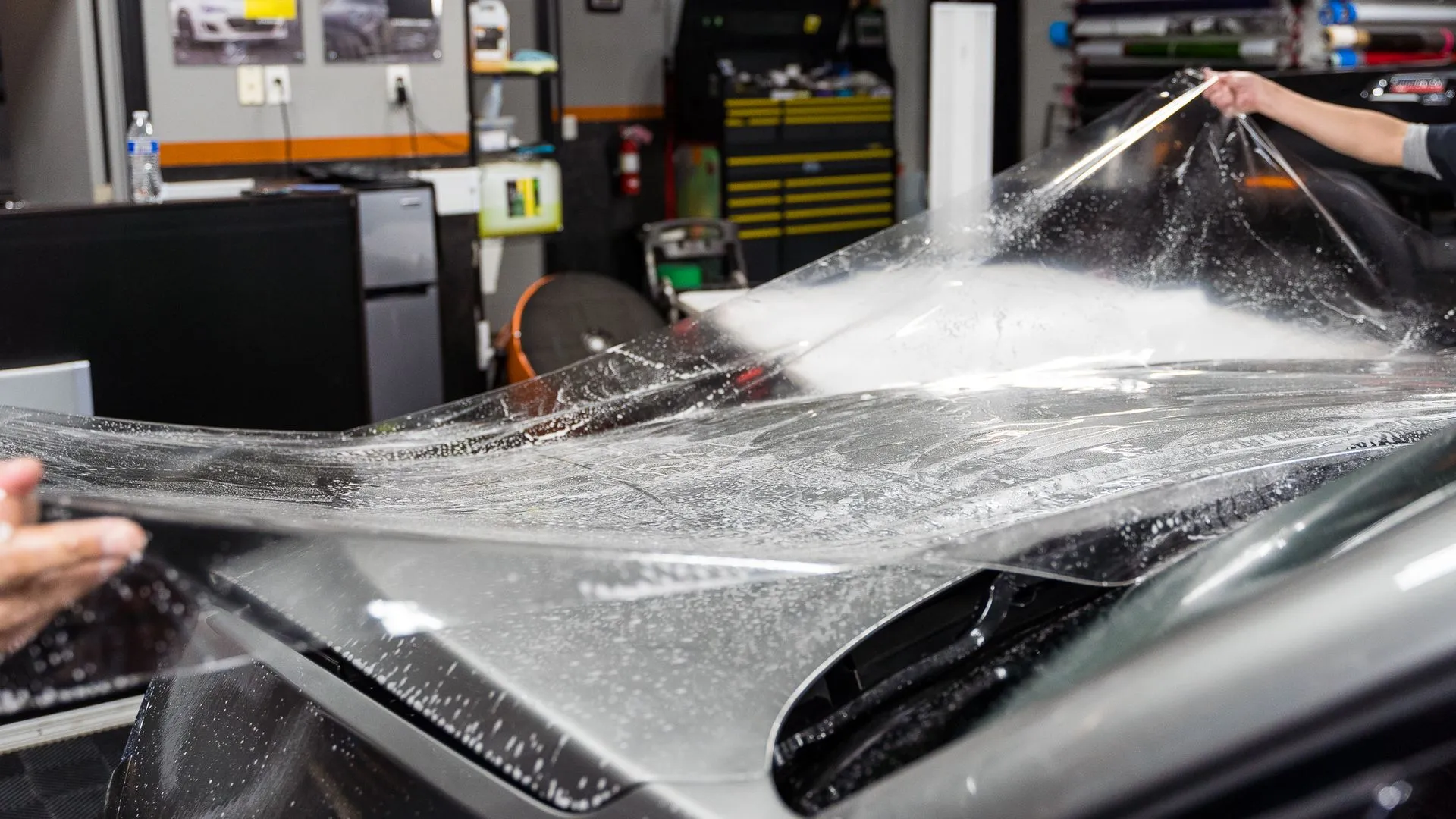
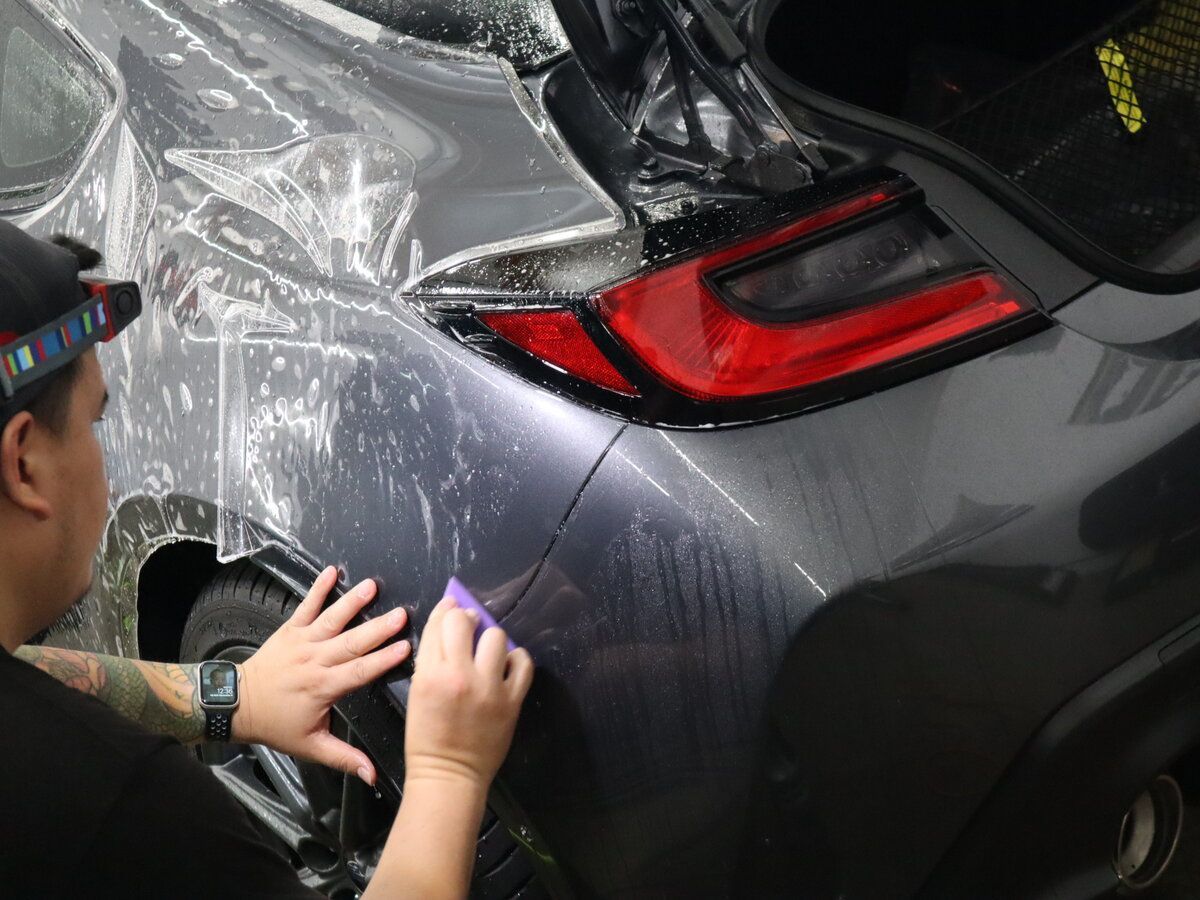
- Heat guns: Used properly, heat helps the film conform to curves and activates the adhesive for a stronger bond. This is a confirmed part of Prestige Pro Care's installation process.
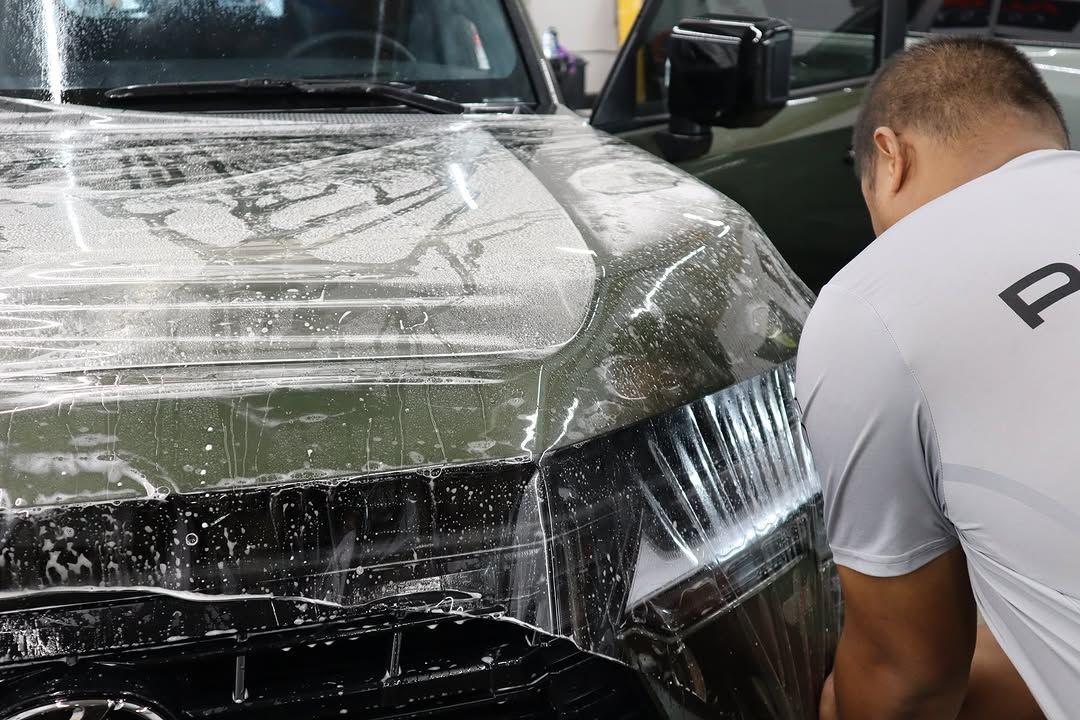
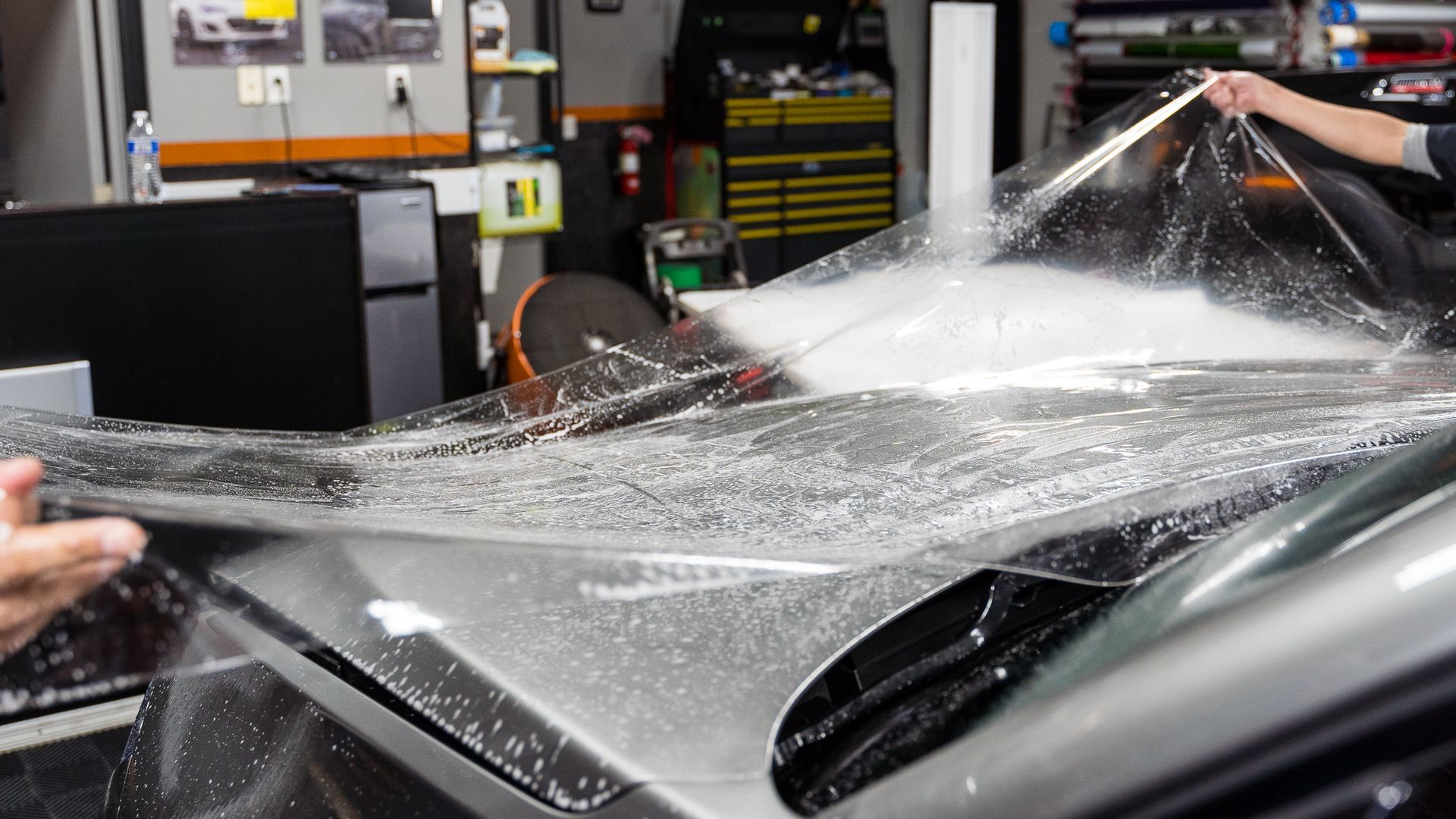
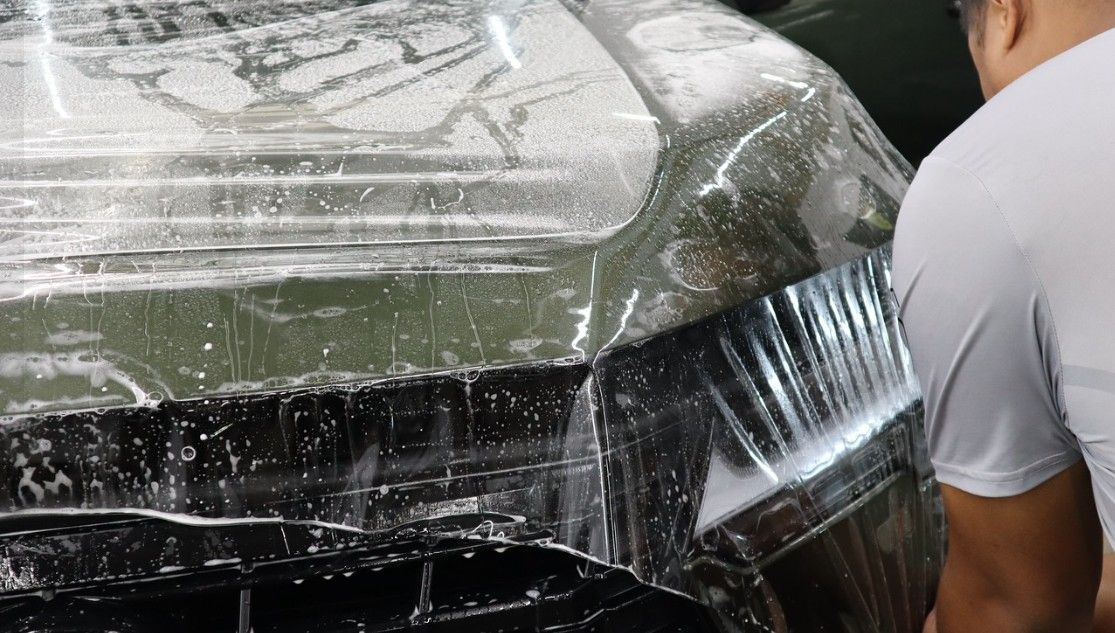
- Application solution: A water-based application solution is used to position the film accurately before final adhesion. This allows the installer to adjust placement and prevents premature bonding before everything is correctly aligned.
- Post-installation curing: Quality shops let the film cure for the recommended period before returning the vehicle. This step is essential for long-term bond strength and a clean finish.
Evaluating What's Actually Covered in Writing
Before committing to an installation, ask for documentation. A shop that stands behind their work should hand you written details about workmanship standards and what the film manufacturer covers separately.
Things to clarify before signing off:
- What does the shop cover if edges lift or bubbles appear after installation?
- What does the film manufacturer's warranty cover, and for how long?
- Is there any maintenance requirement that affects coverage?
- What's the process if something needs to be addressed after pickup?
You're not being difficult by asking these questions. You're being the kind of customer that good shops genuinely appreciate. Check out what we offer at Prestige Pro Care to get a clearer picture of the services and standards we operate by.
Schedule Your Quality Assessment Consultation
If you're ready to apply these criteria to your own situation, the best next step is a hands-on consultation. At Prestige Pro Care, we walk you through our products, our process, and our work so you can decide with full information rather than a sales pitch.
We offer paint protection film packages from essential front-end coverage to full vehicle installations, and we pair PPF with ceramic coating for owners who want a complete protection strategy. If your paint needs attention before film goes on, our paint correction service handles that first. When you're ready, reach out to us to set up your consultation.
Frequently Asked Questions
What is the most important factor in high quality paint protection film?
The installer matters just as much as the film itself. High quality paint protection film starts with a premium product, but the result on your vehicle depends on the skill and certification of the person applying it. Evaluate both the product and the installer before committing to anything.
How do I know if a PPF installer is actually certified?
Ask which film manufacturer they're certified through and what that involved. At Prestige Pro Care, our team is XPEL-certified, and we're happy to explain what that means during a consultation. If a shop can't clearly explain their credentials, that's worth paying attention to.
Can I tell film quality just by looking at it?
You can spot some indicators. A quality film should be optically clear with no haze or discoloration, and installation should show clean edges and a uniform surface across panels. That said, some quality differences only show up over time, which is why installer experience and documented coverage matter just as much as first impressions.
Should the shop do paint correction before installing PPF?
In most cases, yes. Paint protection film locks in whatever condition the paint is in at installation. Surface defects underneath stay visible under the film. At Prestige Pro Care, paint inspection is part of the standard process before any PPF installation to make sure the surface is ready.
Is full-vehicle PPF worth it compared to partial coverage?
It depends on how you use the vehicle. Full vehicle coverage protects every painted surface from road debris, UV exposure, and environmental damage. Partial packages like a full front end or track package make sense for drivers focused on the highest-impact zones. A proper consultation helps you figure out what fits your vehicle and goals.