How Much Does Paint Protection Film Really Cost vs. Paint Damage Repairs?
If you drive a vehicle you actually care about, you've probably already done the math in your head at some point. Is it worth investing in PPF cost analysis upfront, or do you take your chances and deal with paint damage as it happens? For professionals who keep their vehicles for five or more years, that question has a pretty clear answer once you look at it honestly.
The issue with waiting is that paint damage isn't a matter of if. It's a matter of when. Rock chips on a highway commute, environmental fallout in a parking lot, UV degradation over a California summer - these aren't rare events. They're routine. And repair costs add up quietly until that original protection investment looks like the obvious choice in hindsight. At Prestige Pro Care in San Dimas, CA, we've worked with vehicle owners for over 16 years, and this conversation comes up constantly.
Understanding What PPF Actually Costs You
A PPF cost analysis starts with understanding what you're actually paying for. Paint protection film isn't a single product at a single price point. The investment varies based on coverage level, vehicle size, paint complexity, and the quality of the film being installed.
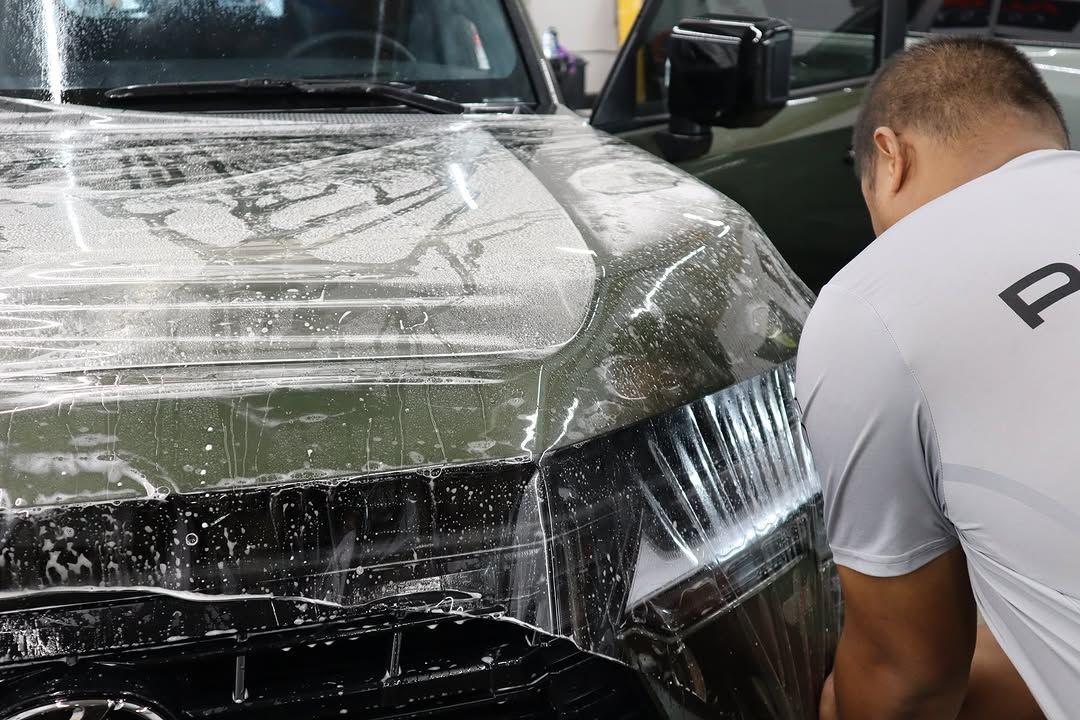
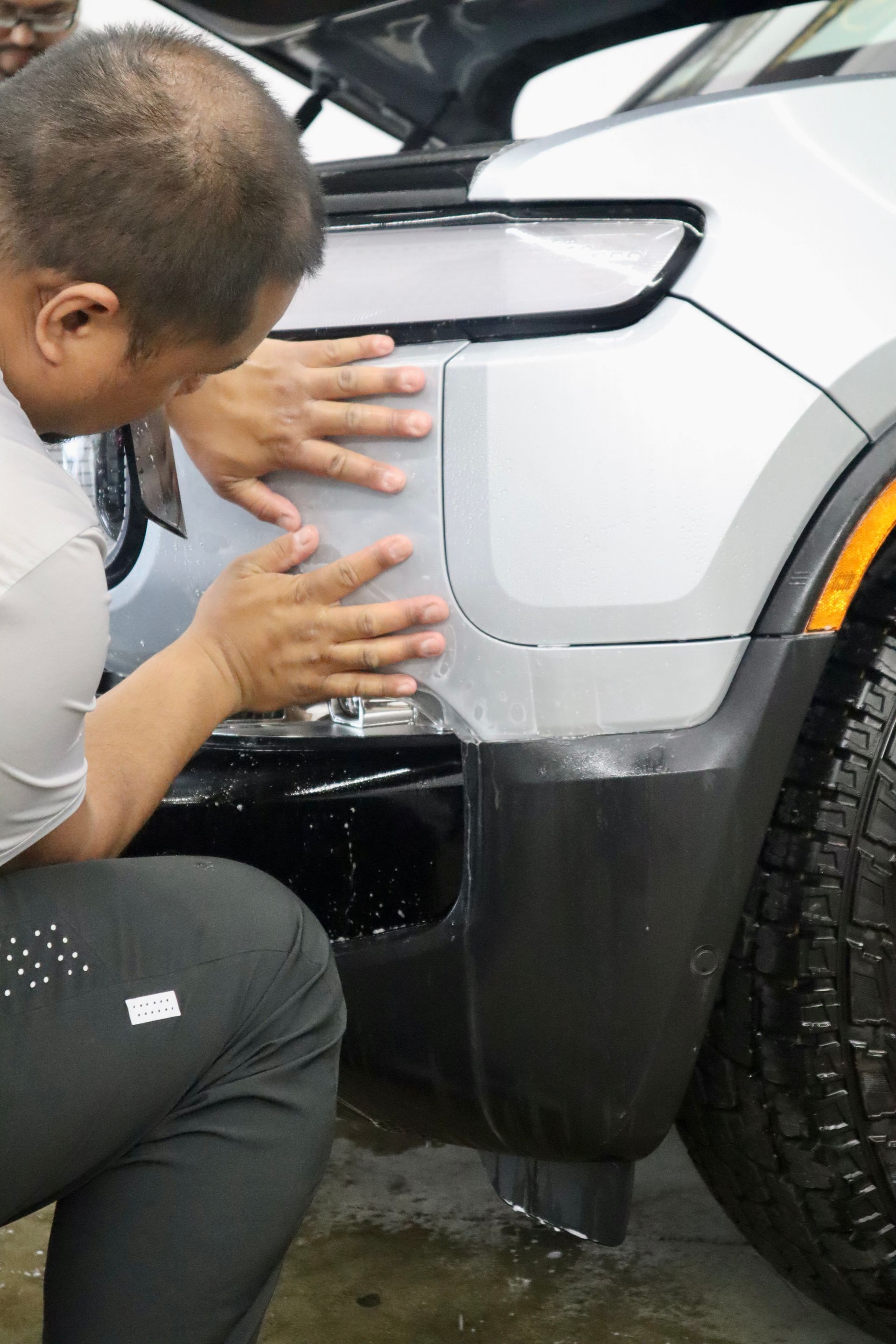
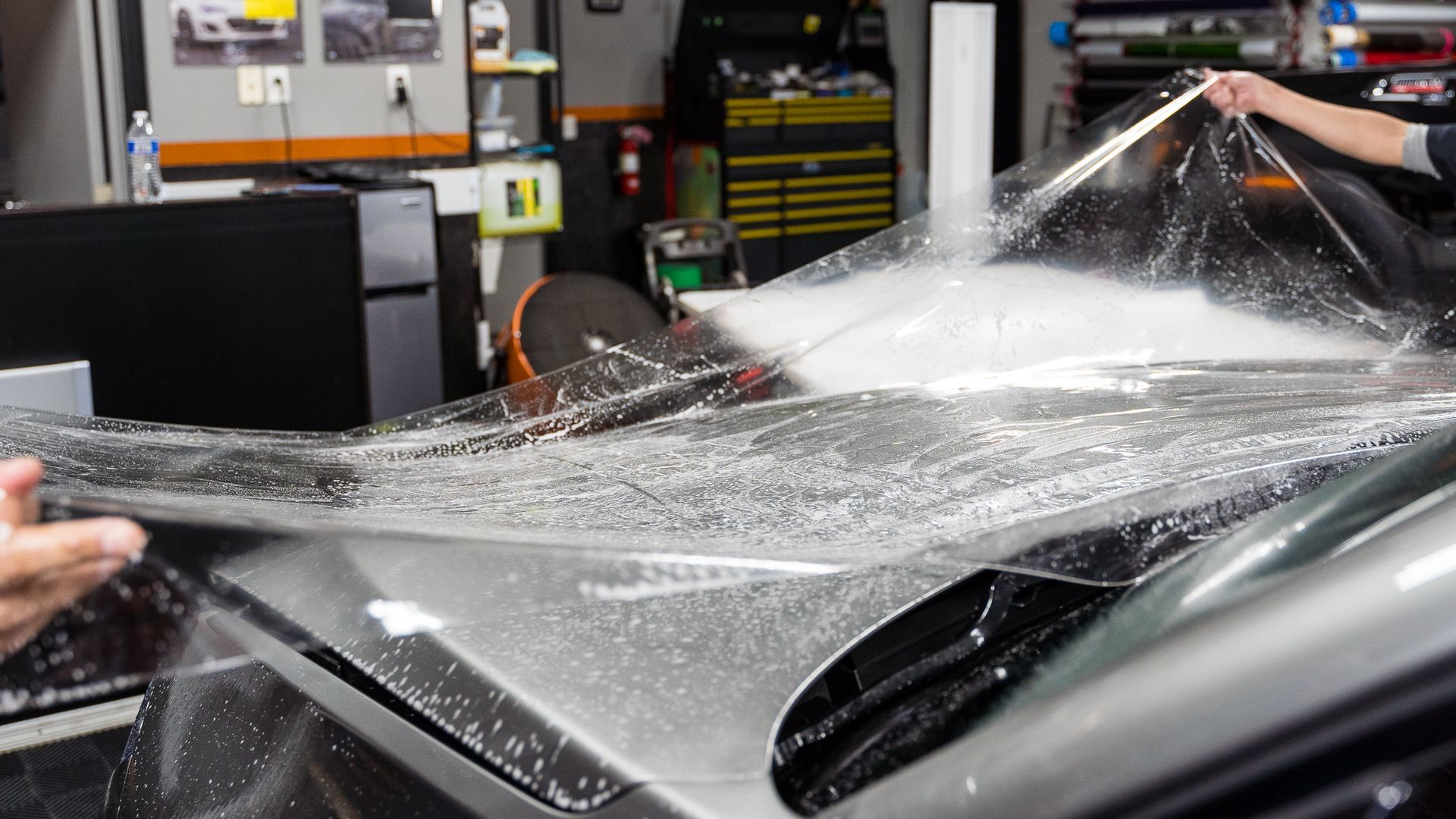
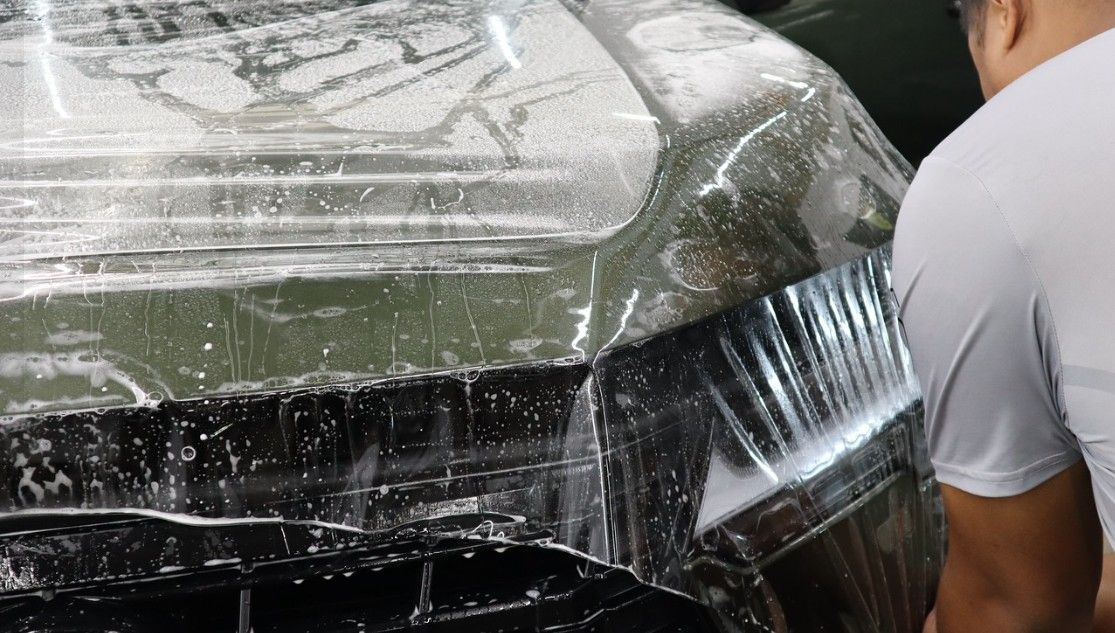
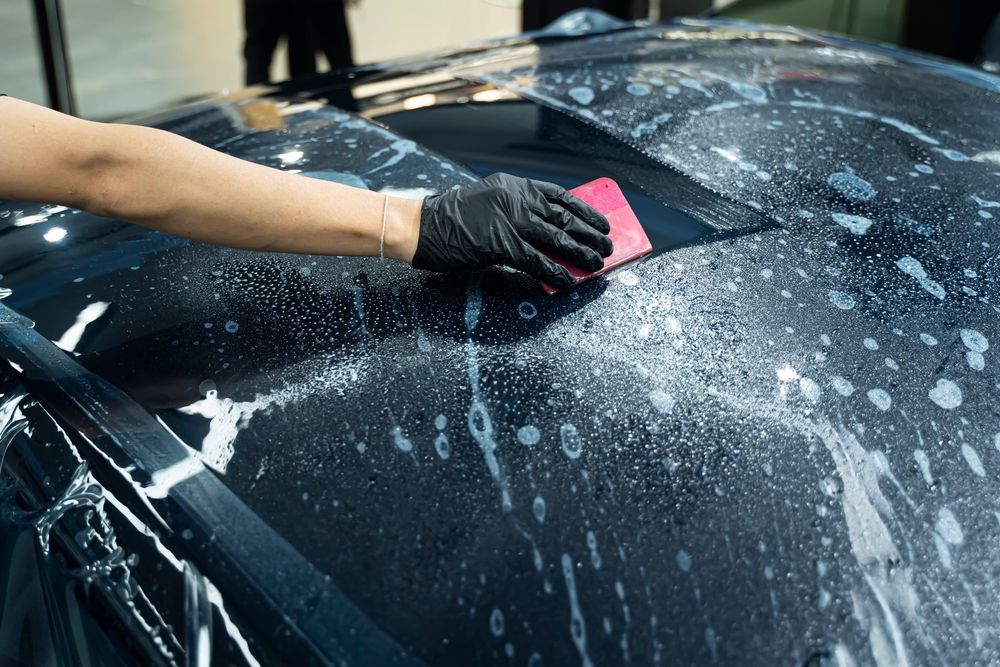
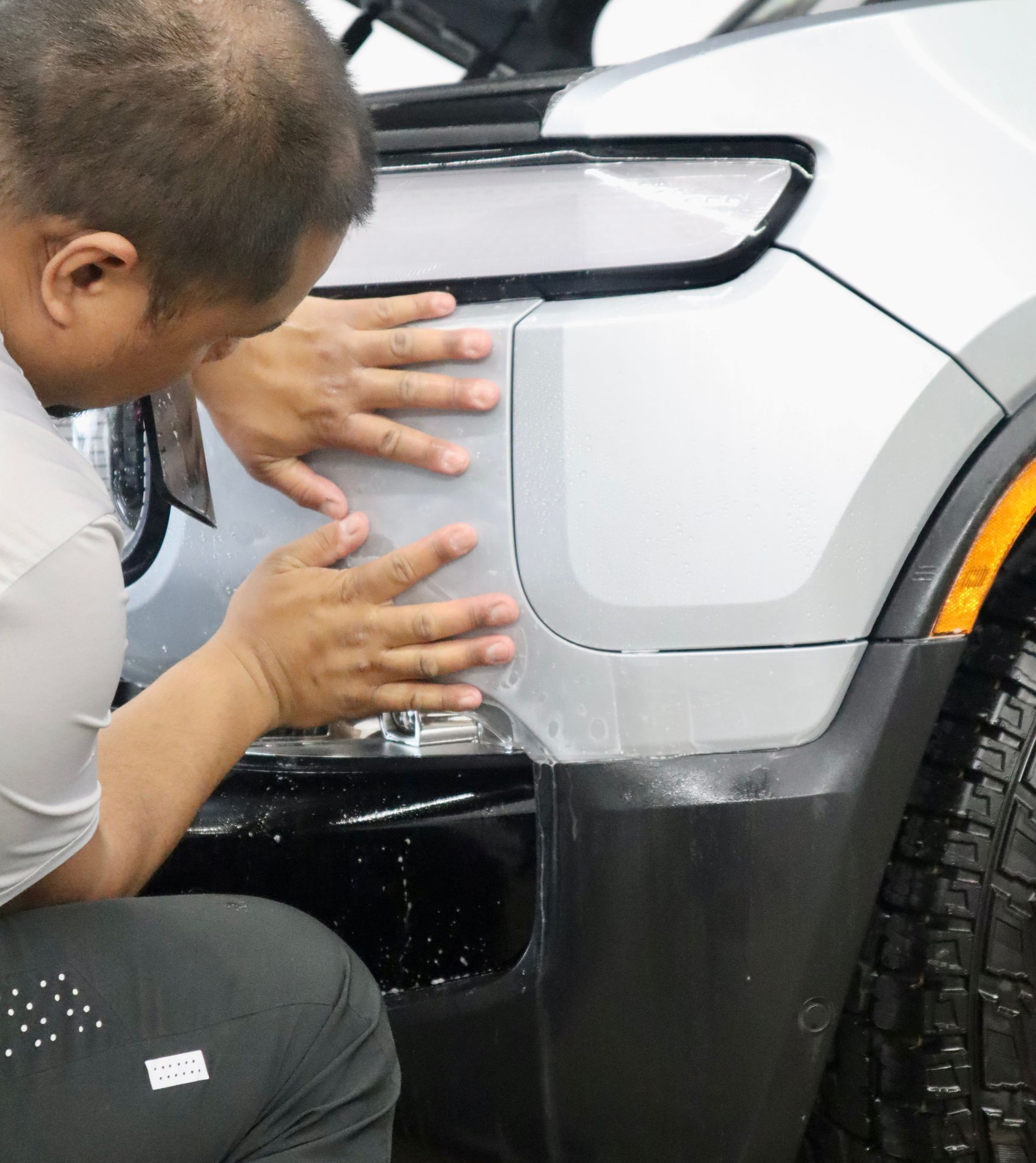
At Prestige Pro Care, paint protection film coverage options range from targeted protection on the highest-impact areas to full vehicle installations. Here's how the coverage tiers generally break down:
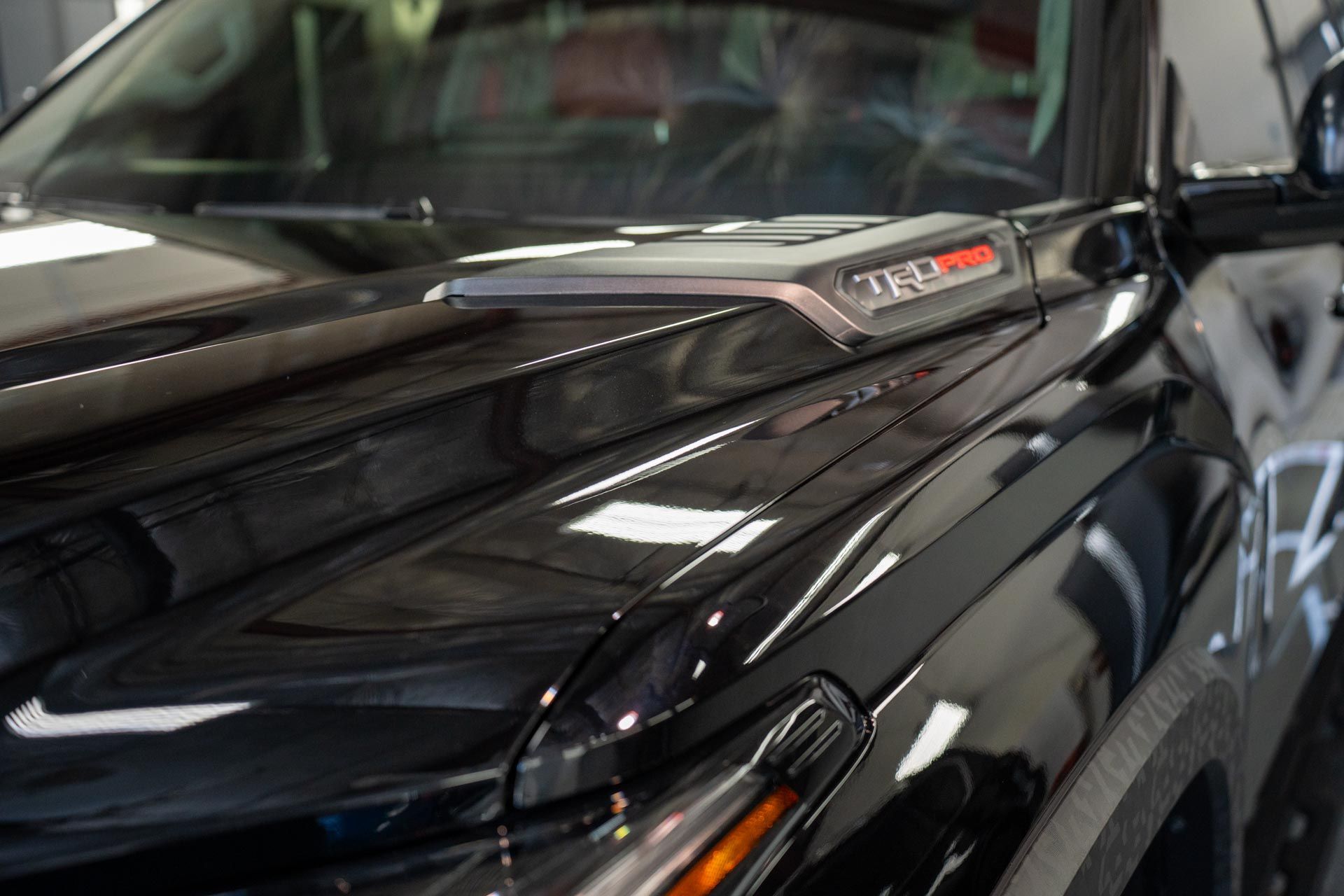
- Front-end protection: Covers the hood, bumper, fenders, and mirrors - the zones that take the most abuse from road debris on daily commutes
- Full front coverage: Extends protection further across the front clip for drivers who want broader forward coverage
- Full vehicle installation: Every painted surface is protected, which makes the most sense for owners who want long-term paint preservation across the entire vehicle
The right coverage level depends on how you drive, where you park, and how long you plan to keep the vehicle.
What Paint Damage Actually Costs to Repair
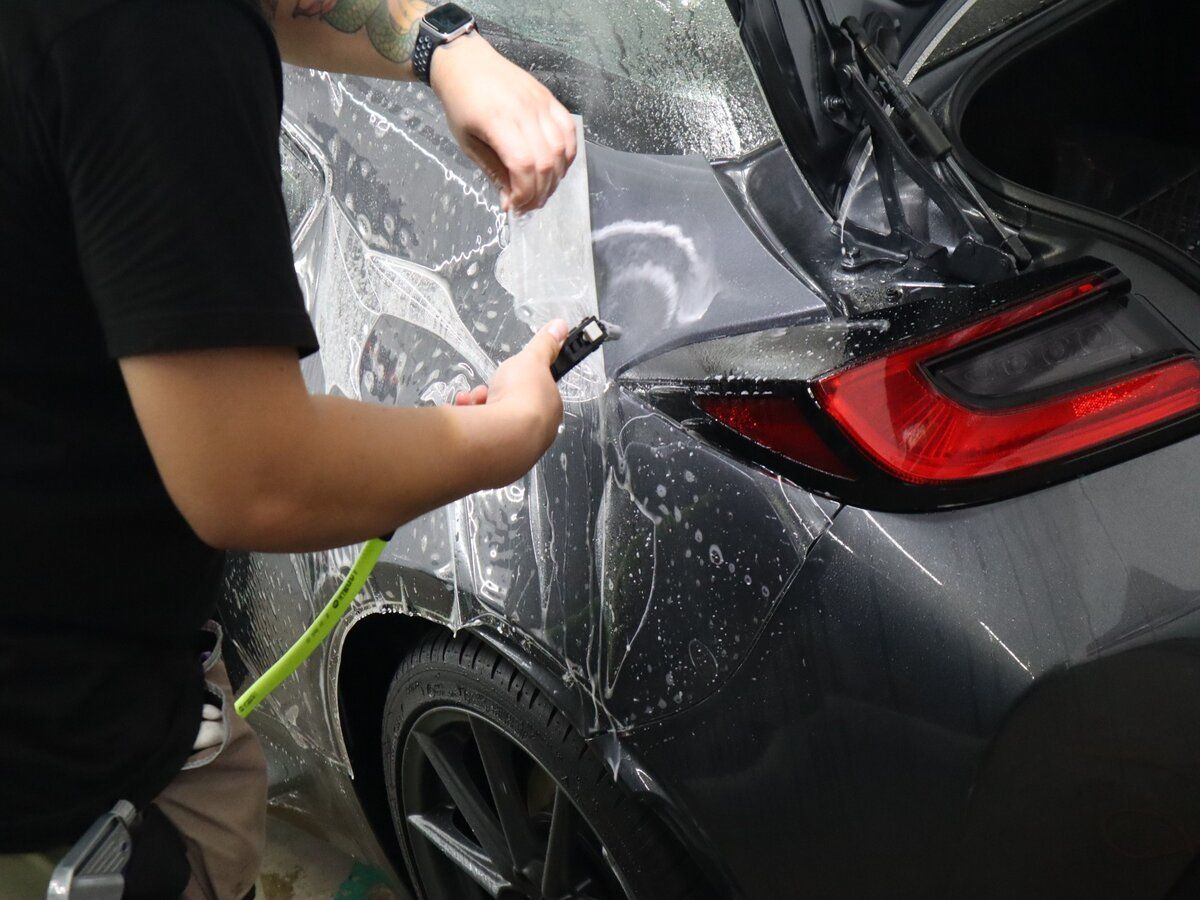
This is where the PPF cost analysis conversation gets real. Paint repair only addresses damage that has already happened. It doesn't prevent the next incident. Common damage scenarios vehicle owners deal with regularly include the following:
- Rock chips and road debris impact: These are the most frequent sources of paint damage for daily drivers. Left untreated, chips expose bare metal and can lead to more serious issues over time. Professional touch-up or respray work on impacted panels carries a real cost that compounds with each new occurrence.
- Environmental surface damage: Bird droppings, tree sap, industrial fallout, and prolonged UV exposure all degrade the clear coat over time. Restoring oxidized or chemically etched paint requires professional correction work, which is a different expense category than routine maintenance.
- Panel repainting: When damage goes beyond correction, full panel repainting involves color matching, preparation, paint application, and clear coat, all of which require professional labor and materials. A single panel respray on a luxury or European vehicle is a meaningful expense.
- Cumulative damage over years: The compounding nature of paint damage is what catches most owners off guard. What starts as a few chips becomes an ongoing repair cycle that adds up considerably across a five-year ownership period.
PPF changes that equation entirely by addressing the source rather than the result.
The 3 to 5 Year Ownership Perspective
For professionals who keep their vehicles, this is the timeframe where the investment math becomes clearest. A PPF cost analysis that only looks at year one misses the point.
Think about what paint exposure looks like across five years of real-world driving in the San Dimas area and surrounding Southern California communities. UV intensity is constant. Highway driving means regular rock debris exposure. Urban environments bring door dings, parking lot incidents, and road contaminants that most owners don't think about until they're already etched into the clear coat.
Here's what changes with PPF across that window:
- Year one: Rock chips hit the film, not the paint. Environmental fallout lands on a surface that resists bonding. Damage isn't accumulating underneath.
- Years two and three: Without PPF, this is when cumulative chips and surface wear become visible. With PPF, the film absorbs that wear while the paint stays in original condition.
- Years four and five: Paint condition at the point of sale matters directly to resale value. A vehicle with original, undamaged paint is in a stronger position than one with repaired panels or visible wear.
The protection isn't just about avoiding repair costs. It's about preserving the asset you invested in.
Resale Value and Long-Term Asset Protection
This section matters specifically to professionals who think about vehicles as assets rather than just transportation. The condition of your paint at the time of sale or trade is one of the most visible indicators of how well a vehicle was cared for, and buyers and dealers both factor it into their offers.
Paint protection film preserves the original factory paint. That matters because:
- Original paint carries more value than repainted panels. Any disclosure of prior paint work, even quality work, affects buyer perception and resale positioning.
- Visible paint wear signals overall neglect, even when the mechanical condition is excellent. First impressions of a vehicle sale are visual, and paint condition drives them.
- PPF-protected vehicles show less age. Owners who remove film after several years often find paint underneath that looks significantly better than comparable unprotected vehicles from the same year.
For someone keeping a BMW, Porsche, or Tesla for five or more years, preserved paint condition versus repeated repairs is a straightforward comparison. See what our customers say at Prestige Pro Care reviews.
What Goes Into a Smart PPF Investment Decision
A real PPF cost analysis for your situation involves a few straightforward questions worth thinking through before a consultation:
- How long are you keeping the vehicle? The longer the ownership window, the stronger the case for full coverage.
- How do you drive it? Highway miles and construction zone exposure increase debris impact risk significantly.
- Where does it park? Outdoor parking under trees, in urban lots, or in direct sun accelerates environmental damage.
- What's the vehicle worth to you? Both the market value and what its condition means to you personally.
- Have you already had paintwork done? That experience helps anchor the comparison quickly.
These are exactly the factors an experienced installer walks through during a free consultation.
Schedule Your Free PPF Consultation
The best way to run a real cost analysis for your vehicle is to have a conversation with someone who understands your specific situation. At Prestige Pro Care, we offer free consultations where we walk through your coverage options, answer your questions honestly, and give you a clear picture of what protection actually looks like for your vehicle.
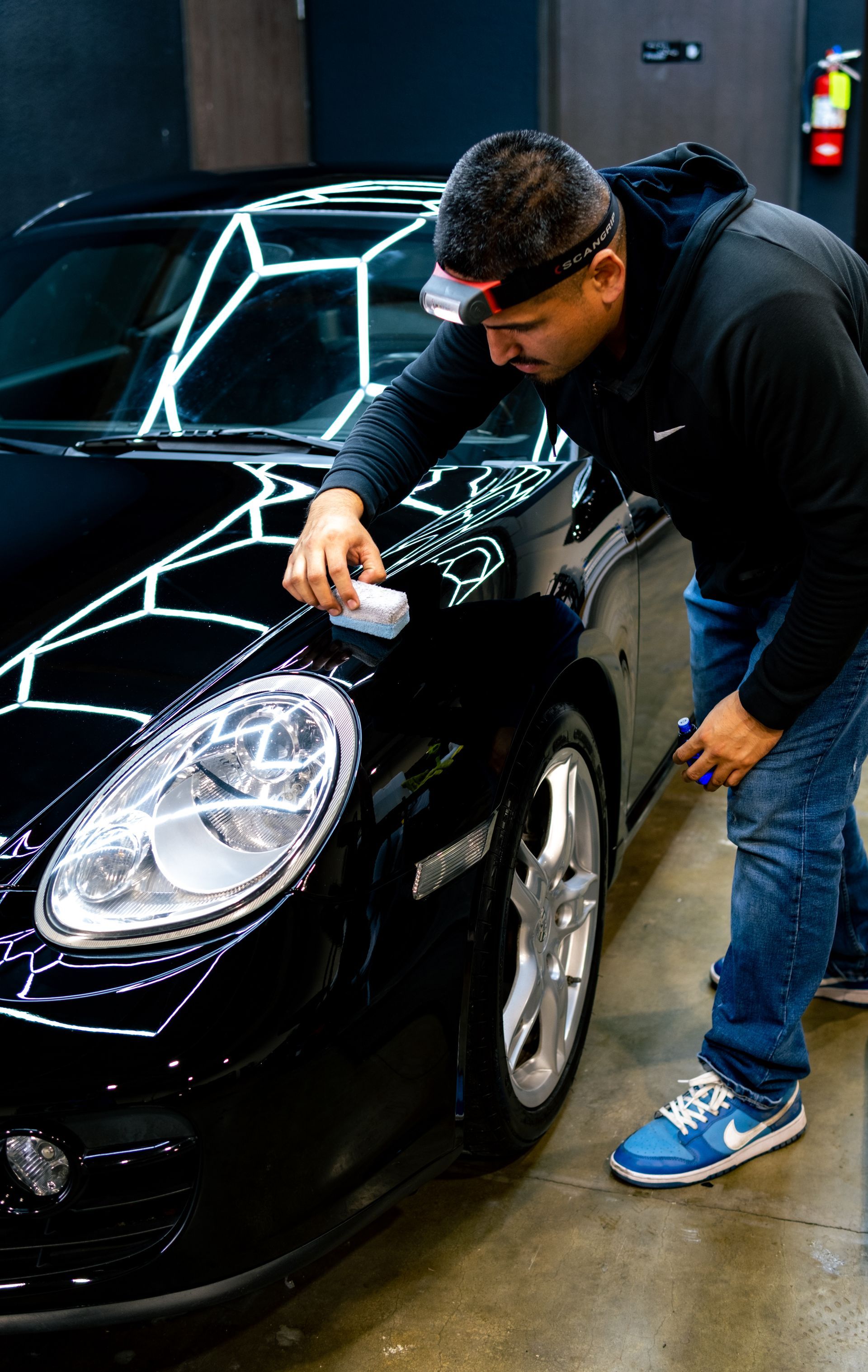
We work with paint protection film installations from targeted front-end coverage to full vehicle protection, and we pair PPF with ceramic coating for owners who want a complete long-term protection strategy. If your paint needs attention before film goes on, our paint correction service handles that first. When you're ready to have that conversation, reach out to us to set up your consultation.
Frequently Asked Questions
What does a PPF cost analysis actually involve?
A PPF cost analysis for your vehicle looks at coverage level options, your ownership timeline, how you use the vehicle, and what paint repair costs you've already experienced or are likely to encounter based on your driving patterns. At Prestige Pro Care, we walk through all of these factors during a free consultation so the recommendation you get is based on your actual situation, not a generic answer.
Is paint protection film worth it for daily drivers?
For professionals who drive regularly and keep their vehicles for several years, PPF is one of the strongest protective investments available. Daily driving in Southern California means consistent exposure to highway debris, UV radiation, and environmental contaminants - all of which PPF addresses without repeated repair expenses accumulating across years of ownership.
Does PPF protect against all types of paint damage?
PPF protects strongly against the most common damage sources, including rock chips, road debris, UV degradation, and light surface contamination. It isn't a guarantee against every possible incident, but it significantly reduces the frequency and severity of damage unprotected vehicles accumulate over time. The self-healing topcoat on premium films also addresses minor surface marks that would otherwise need professional attention.
How does PPF affect resale value?
Preserved original factory paint is consistently more valuable at resale than repaired or repainted panels. PPF owners who maintain their film properly tend to present vehicles with paint conditions that reflect significantly less wear than comparable unprotected vehicles from the same model year. For professionals keeping high-value vehicles for five or more years, this difference in paint condition at the point of sale can meaningfully affect the outcome.
What coverage level makes the most sense for my vehicle?
It depends on how you use the vehicle and what you're trying to protect. Front-end coverage makes sense for drivers focused on debris impact from highway commuting. Full vehicle coverage is the right choice for owners who want full long-term paint preservation across every surface. A consultation at Prestige Pro Care helps you figure out which level fits your driving habits, ownership timeline, and vehicle type before you commit to anything.