Most people who invest in ceramic coating durability for their vehicle know the basics. It looks great. Water beads off. The paint stays cleaner longer. But if you've ever wondered what's actually happening at the surface level and why ceramic coatings hold up so much better than traditional waxes and sealants, the answer is genuinely fascinating.
This isn't just marketing language. There's real materials science behind why a properly applied ceramic coating can outperform conventional protection by years. And for professionals who make purchasing decisions based on actual performance data rather than sales pitches, understanding the technical foundation matters.
At Prestige Pro Care in San Dimas, CA, we've spent over 16 years working with vehicle protection solutions. The more a customer understands how these products work, the more confident they feel about the investment. So let's get into it.
How Ceramic Coating Bonds at the Molecular Level
The reason ceramic coating durability stands apart from traditional protection starts with how the product bonds to a surface. Traditional waxes sit on top of your paint. They fill in minor imperfections and add shine, but they don't bond to the surface in any meaningful chemical way. That's why they break down in heat and need to be reapplied every few months.
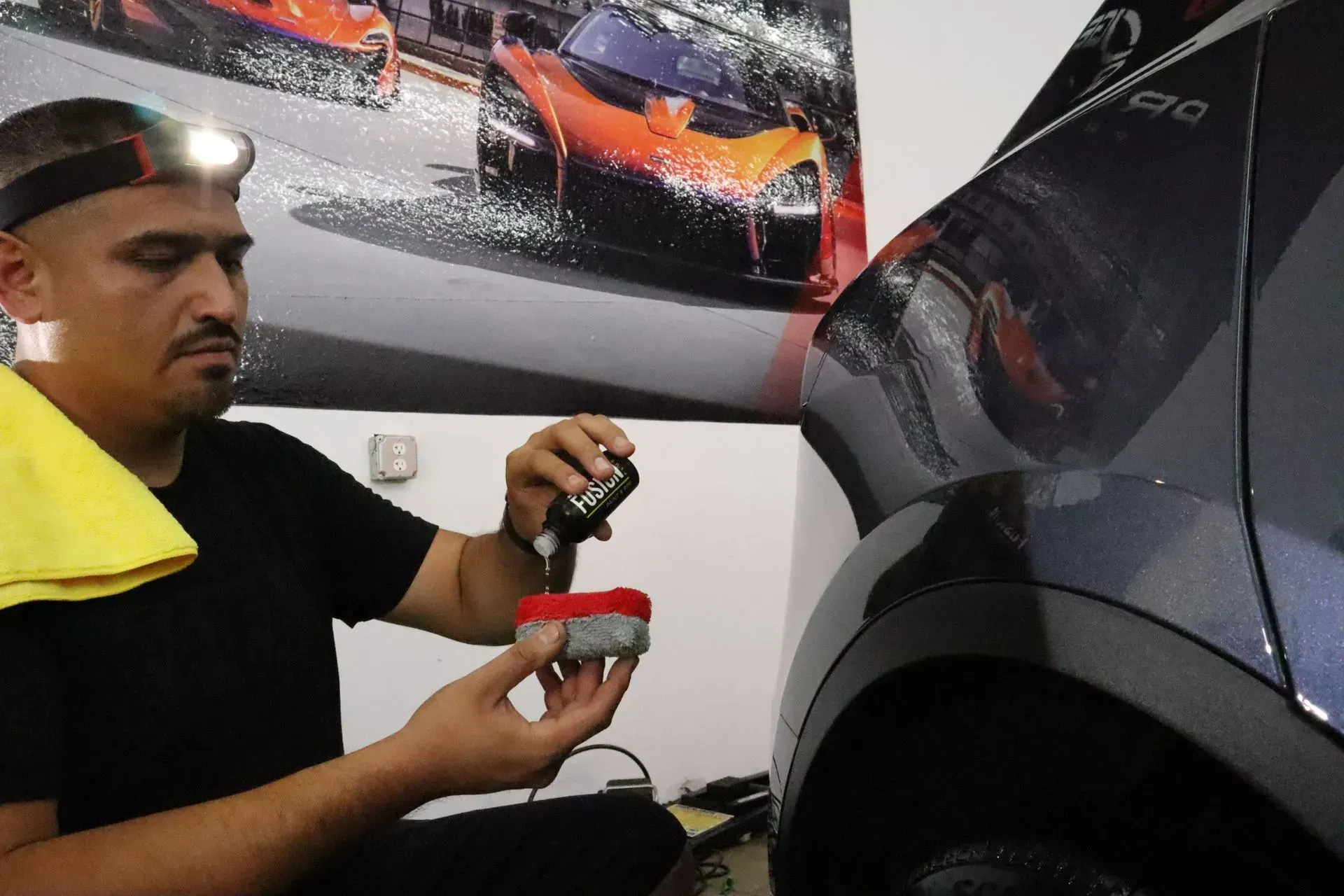
Ceramic coatings work differently. Professional-grade ceramic coatings use nano-ceramic technology to integrate with your vehicle's clear coat at a molecular level. When applied to a properly prepared paint surface, this nanotechnology forms a semi-permanent connection that a simple wax layer simply cannot replicate.
Here's what that means in practical terms:
- The coating forms a semi-permanent bond with the clear coat of your paint
- That bond creates a rigid, glass-like layer rather than a soft, waxy film
- The cured coating is denser than the paint surface beneath it
- Because it's chemically bonded, it can't simply be wiped or broken down by normal environmental exposure
Think of it like the difference between placing a sheet of plastic on a table versus bonding it down permanently. The result looks similar at first, but the performance over time is completely different. That molecular adhesion is the starting point for everything that makes ceramic coatings work.
UV Resistance and Oxidation Prevention
One of the clearest demonstrations of ceramic coating durability is how it handles ultraviolet radiation over time. For drivers in California, particularly, UV exposure is a significant and constant threat to automotive paint. Prolonged UV exposure breaks down the protective layers on your clear coat, leading to oxidation, fading, and that chalky appearance you see on older vehicles.
The ceramic layer acts as a UV barrier between the environment and your paint. Here's what's happening:
- UV rays are intercepted by the dense ceramic layer before reaching the clear coat
- The paint underneath is shielded from direct UV contact
- Oxidation slows because the clear coat isn't taking the full force of sun exposure day after day
This is similar in principle to how UV-filtering glass works in architectural applications. The protective layer intercepts radiation before it can do damage to the material underneath.
It's worth noting that ceramic coatings don't make a vehicle completely immune to UV damage over a long enough timeline. What they do is significantly slow the degradation rate, which translates directly into retained color depth and gloss years after application.
How Ceramic Coatings Resist Contamination
The hydrophobic behavior of a cured ceramic coating, meaning the way water and contaminants roll off the surface, isn't just visually satisfying. It's a practical contamination-resistance mechanism that directly supports long-term paint health.
The nanotechnology in a ceramic coating creates a surface that repels water and resists bonding with common contaminants. Most road grime, bird droppings, tree sap, and brake dust have a harder time adhering to a coated surface than to bare clear coat or wax.
In real-world terms, this means:
- Contaminants are less likely to bond to the surface and cause etching
- The vehicle stays cleaner longer between maintenance sessions
- When contaminants do land on the surface, they're much easier to remove
- The risk of contamination-related paint damage drops substantially
This is one of the reasons ceramic coating durability gets discussed alongside ease of maintenance. The two are directly connected. A surface that resists contamination bonding naturally, and preserves itself better over time.
Thermal Stability and Weather Resistance
Traditional waxes and polymer sealants have a known weakness: heat. A vehicle sitting in direct summer sunlight in the San Dimas area, or driving through sustained high temperatures, will break down conventional protection relatively quickly. Standard carnauba waxes have low thermal tolerance, and the intense California sun is more than enough to compromise them.
Ceramic coatings handle heat very differently. The cured ceramic structure maintains integrity at significantly higher temperatures than organic waxes. That thermal stability matters because:
- The coating doesn't soften and migrate under heat the way waxes do
- Heat cycles, warming during the day and cooling at night, don't weaken the bond
- The protective layer stays consistent across seasonal temperature swings
- Surface reflectivity is maintained even during sustained heat exposure
Weather resistance follows the same logic. Rain, humidity, and temperature fluctuations all wear away at softer protection products. The rigid molecular structure of a ceramic coating is simply less affected by environmental cycling than any wax or sealant product.
What Actually Causes Ceramic Coating Degradation
Understanding ceramic coating durability fully means being honest about how these products degrade over time, because they do eventually. No coating lasts forever, and knowing the real degradation mechanisms helps you get the most out of the product.
The primary causes of ceramic coating breakdown include:
- Improper surface prep at installation: If the paint surface wasn't properly decontaminated and corrected before application, the coating bonds to contamination rather than the clear coat. That significantly reduces longevity from the start.
- Abrasive contact: Automated brushes, harsh scrubbing tools, and abrasive cleaning products gradually thin the coating layer over time.
- Chemical exposure: Strong acids, alkaline cleaners not formulated for coated surfaces, and industrial fallout can degrade the ceramic structure over time.
- Improper cure conditions: Ceramic coatings need specific temperature and humidity conditions to cure properly. Installations done in poor conditions may not bond fully.
- UV accumulation over years: Even with UV resistance, extended multi-year exposure does eventually thin the protective layer.
The coatings that perform best over their rated lifespan are the ones applied by experienced, certified installers onto properly prepared surfaces, maintained with appropriate products, and kept away from abrasive contact. The chemistry is only half the equation.
Ceramic Coating vs. Traditional Protection: The Chemistry Gap
To put all of this in context, it helps to look at how these three protection types actually stack up against each other in the areas that matter most.
Carnauba wax sits on top of the paint as a surface layer only. It offers low UV resistance, breaks down quickly in heat, and typically lasts anywhere from 1 to 3 months before needing reapplication. It's not a bad product for what it is. It's just not built for long-term protection.
Polymer sealants are a step up. They grip the surface a little better and hold on for 6 to 12 months in most cases. UV and thermal resistance are moderate. They're a reasonable middle ground for drivers who want more than wax without committing to a professional-grade solution.
Ceramic coatings are in a different category altogether. Here's what sets them apart:
- Bond type: A molecular nano-bond that integrates with the clear coat rather than just sitting on top of it
- UV resistance: High, protecting paint from the oxidation and fading that sunlight causes over time
- Thermal stability: High, maintaining integrity through heat cycles that would break down wax or sealant
- Hydrophobic effect: Strong, causing water and contaminants to bead and roll off rather than bond to the surface
- Lifespan: Years of protection with proper care, not weeks or months
The gap isn't small. It's structural. Wax and sealant products are fundamentally different from ceramic coatings. They're not inferior versions of the same product. They're different tools entirely.
For someone protecting a BMW, a Porsche, a Tesla, or any vehicle where long-term finish preservation matters, that chemistry gap is exactly why ceramic coating has become the standard for serious vehicle owners.
Ready to See the Science in Action?
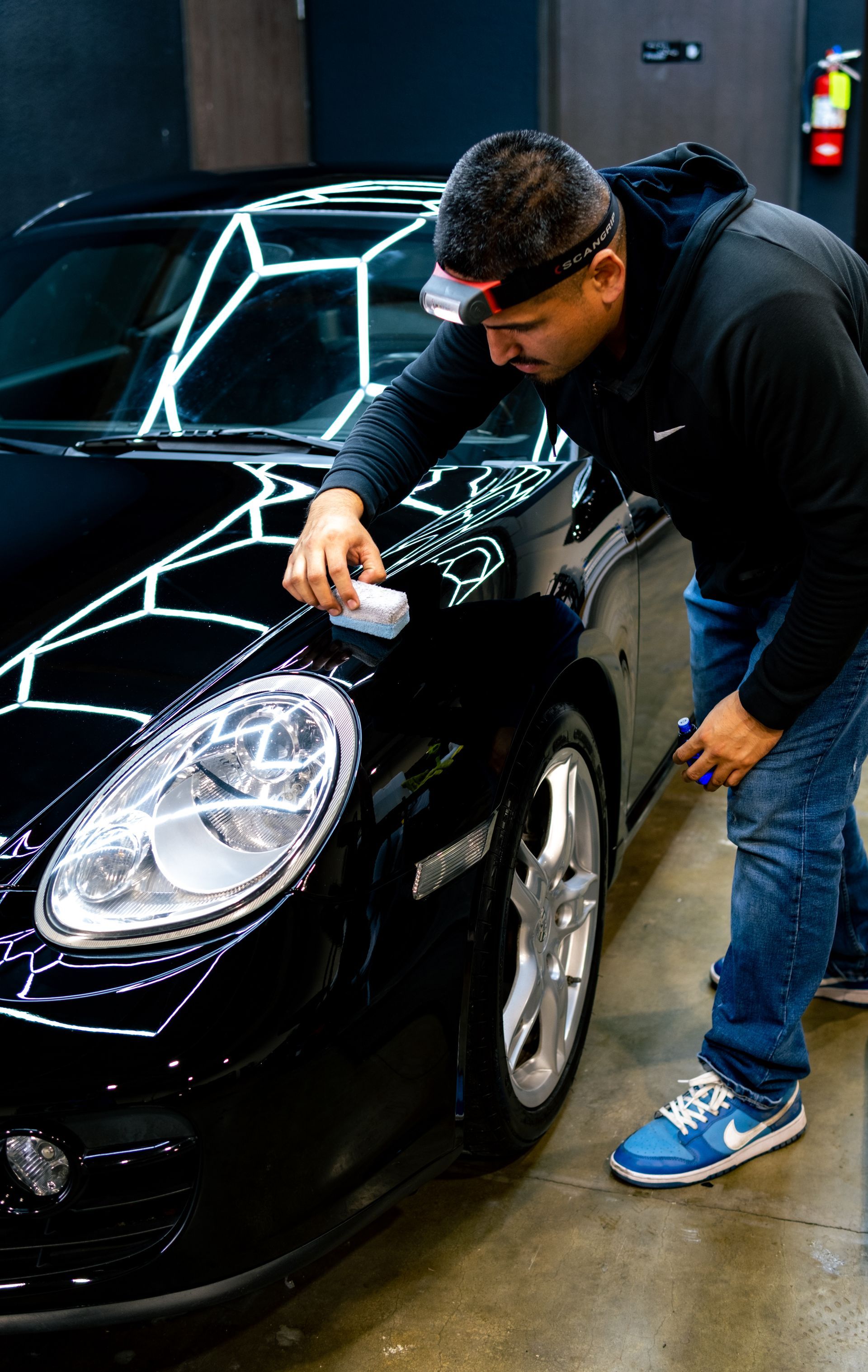
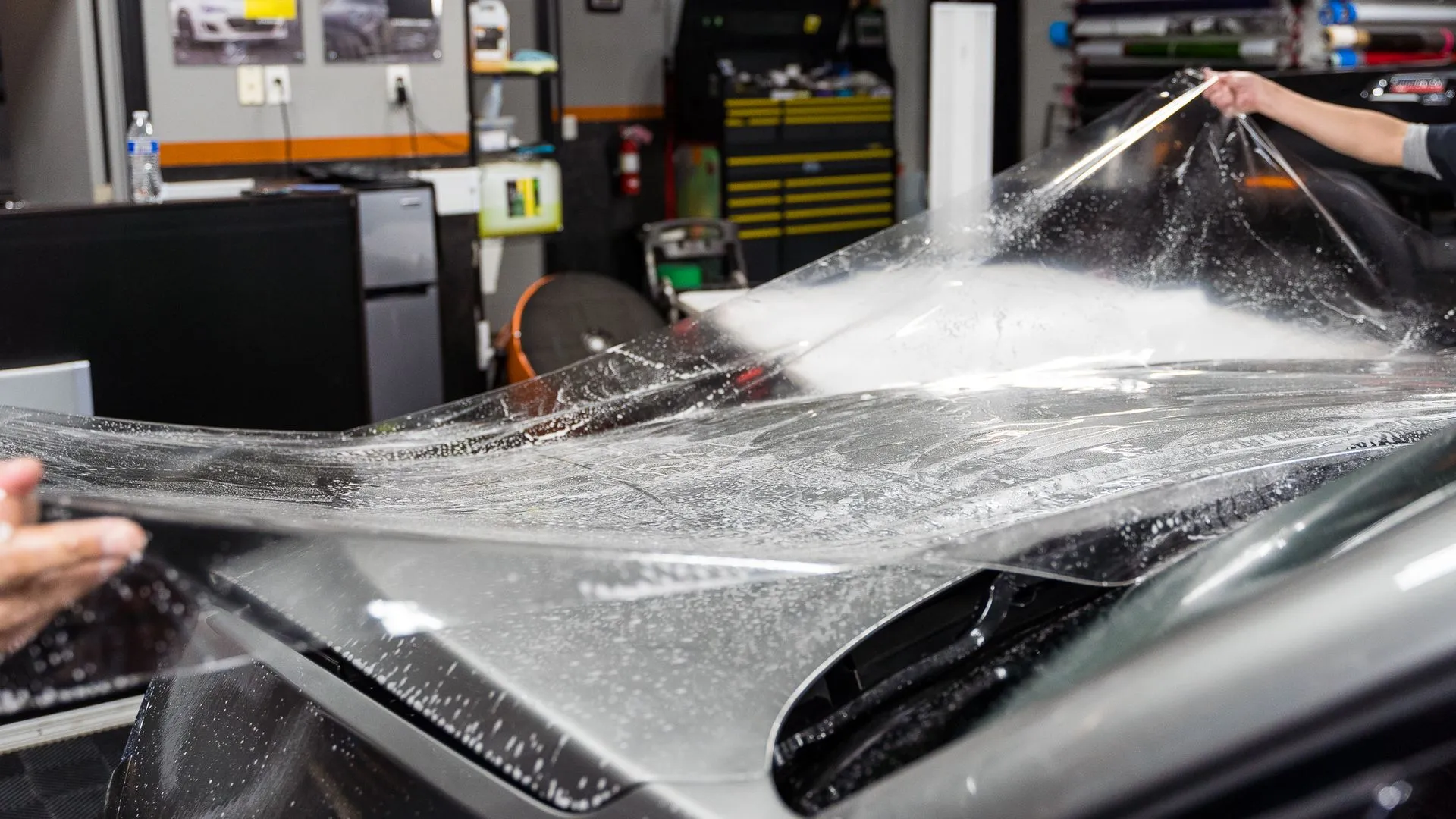
Understanding how ceramic coatings work at a material level is one thing. Seeing it demonstrated on your own vehicle is another. At Prestige Pro Care, our team is genuinely happy to walk technically curious customers through the process, show you what proper surface prep looks like, and explain exactly what a professional-grade application involves.
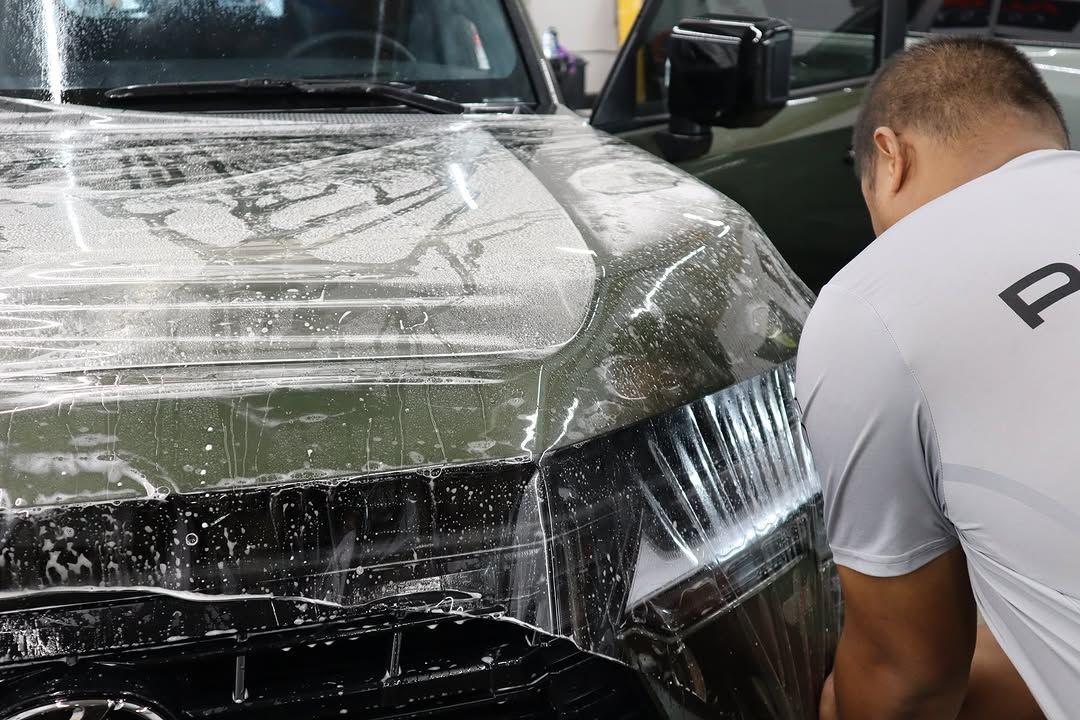
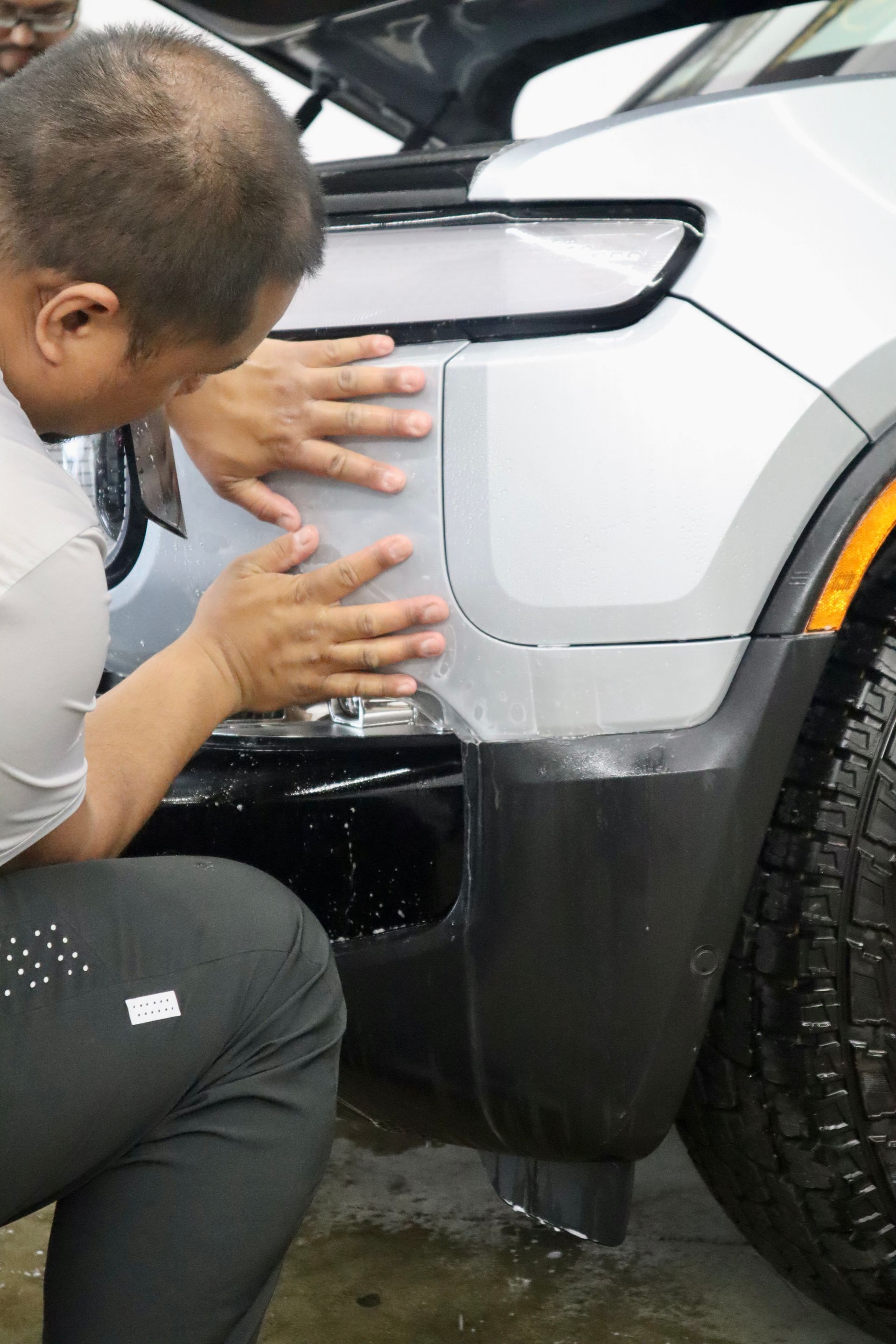
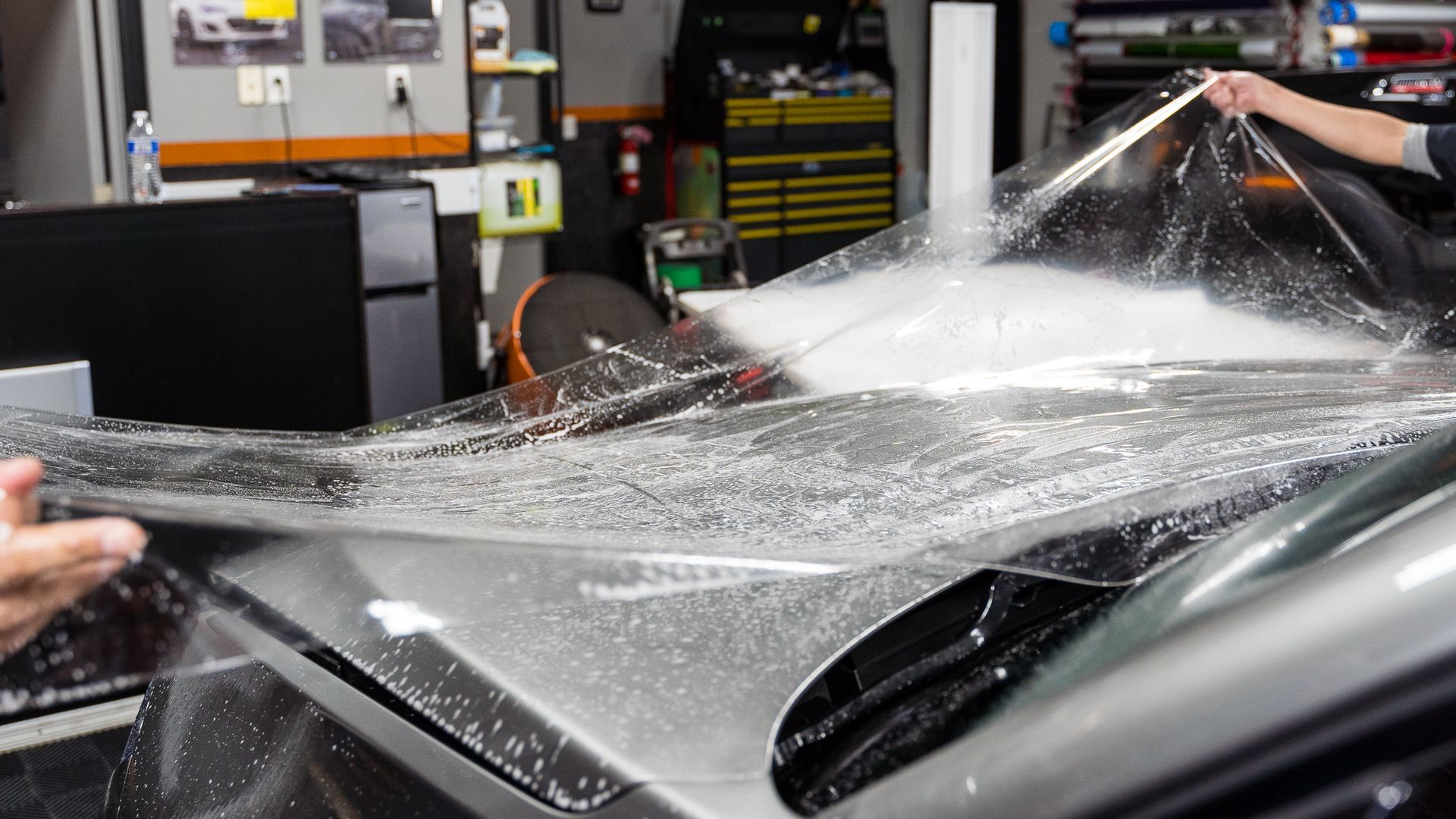
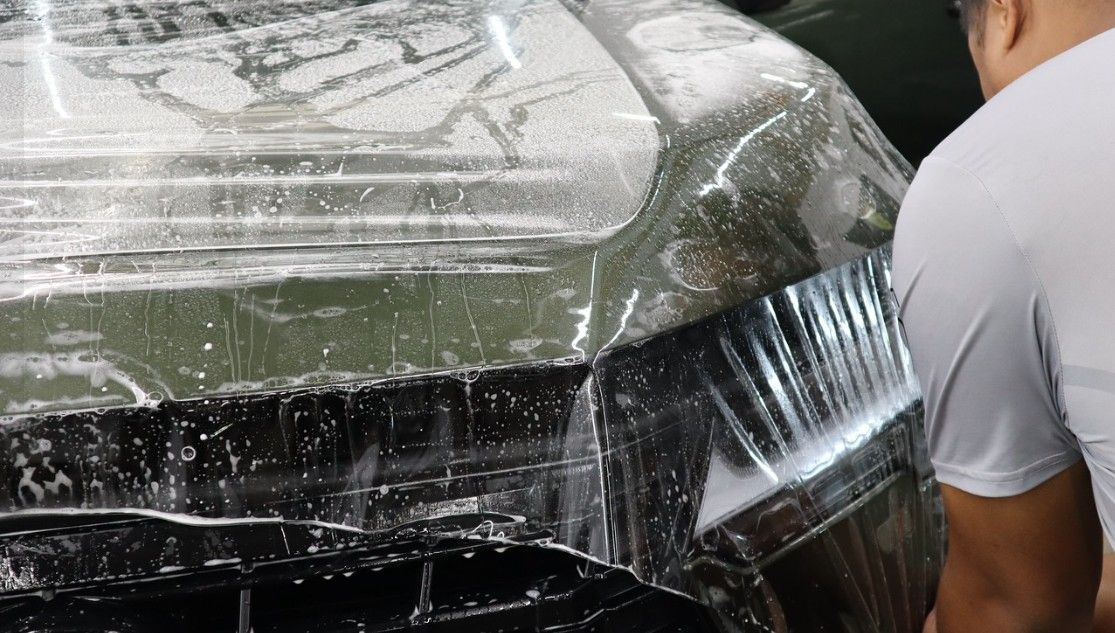
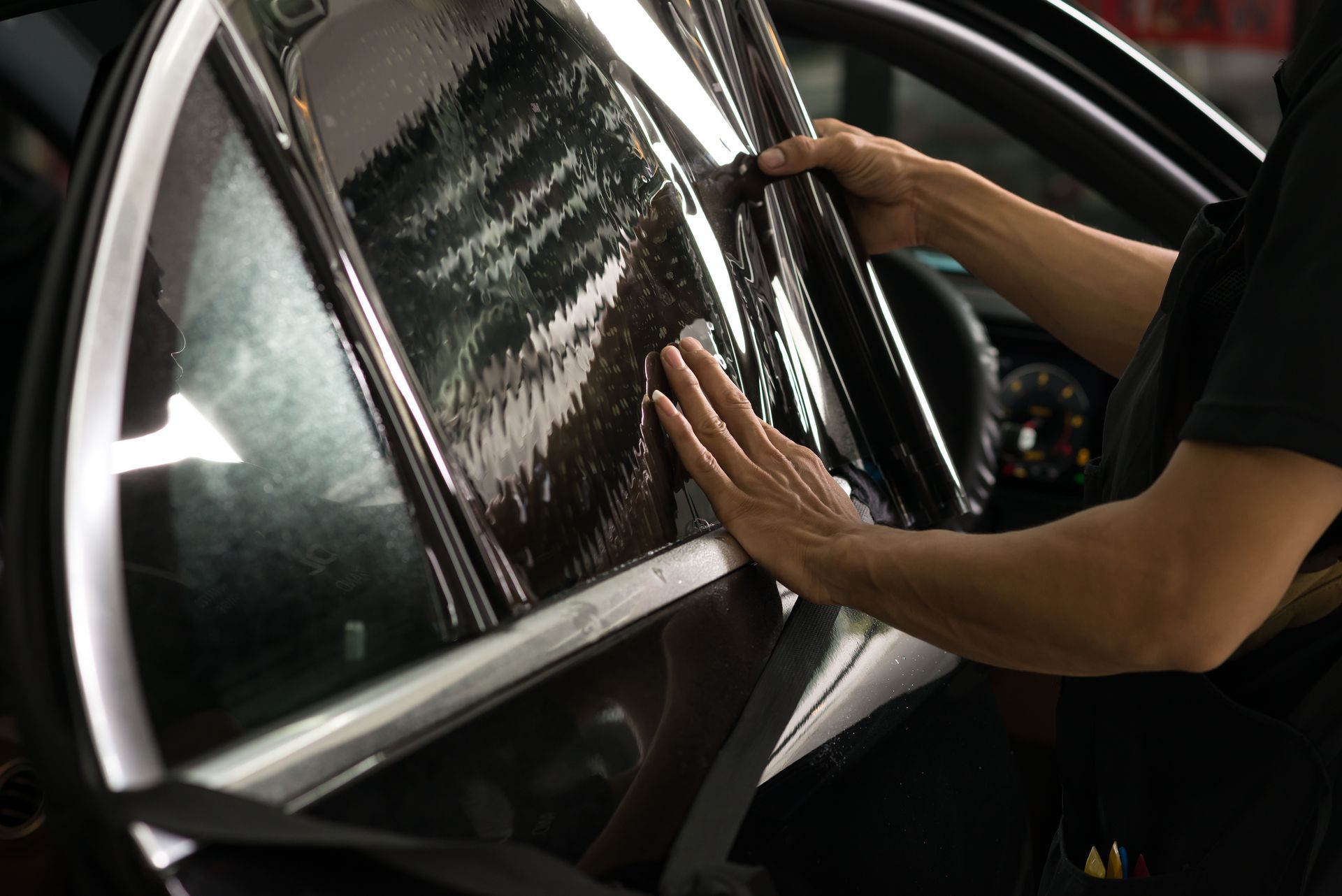
We also offer paint protection film and window tinting for customers who want to build out a full protection strategy. And if your paint needs work before a coating goes on, our paint correction service handles that too. When you're ready to have a real conversation about your vehicle's protection, reach out to us to set up a consultation.
Frequently Asked Questions
What makes ceramic coating durability better than wax?
The difference comes down to how each product bonds to your paint. Wax sits on top of the surface as a soft, temporary layer. Ceramic coating durability comes from a molecular nano-bond between the coating and your clear coat, creating a rigid, glass-like layer that resists heat, UV radiation, and chemical contamination in ways that wax simply cannot. Wax breaks down in weeks to months. A properly installed and maintained ceramic coating performs for years.
How does ceramic coating protect against UV damage?
The dense ceramic layer acts as a physical barrier against UV radiation, intercepting rays before they reach the clear coat underneath. Over time, this slows oxidation, color fading, and the chalky breakdown you see on unprotected paint. It doesn't make the vehicle immune to UV, but it significantly reduces the rate at which UV causes damage, which matters a lot for vehicles parked outdoors in the California sun.
Does heat affect ceramic coating performance?
Traditional waxes break down in heat well below what your vehicle's hood and roof can reach on a hot California day. Ceramic coatings are thermally stable at much higher temperatures due to their inorganic molecular structure. Daily heat cycles, seasonal temperature swings, and sustained summer heat don't degrade the coating bond the way they affect wax or sealant products.
What causes a ceramic coating to fail prematurely?
The most common causes are improper surface preparation before installation, abrasive cleaning methods after installation, use of harsh chemical cleaners not suited for coated surfaces, and poor cure conditions during the application process. A coating applied by a certified installer onto a properly corrected surface and maintained according to guidelines will significantly outlast one that skips those steps.
Is ceramic coating worth it for everyday vehicles or just luxury cars?
The protection works the same regardless of the vehicle. That said, the value tends to be clearest for owners who care about long-term paint preservation and reduced maintenance effort. European vehicles, performance cars, and luxury brands tend to attract owners who understand and appreciate what ceramic coating durability actually delivers. But any vehicle driven in harsh sun or heavy urban environments can benefit from the added protection layer.