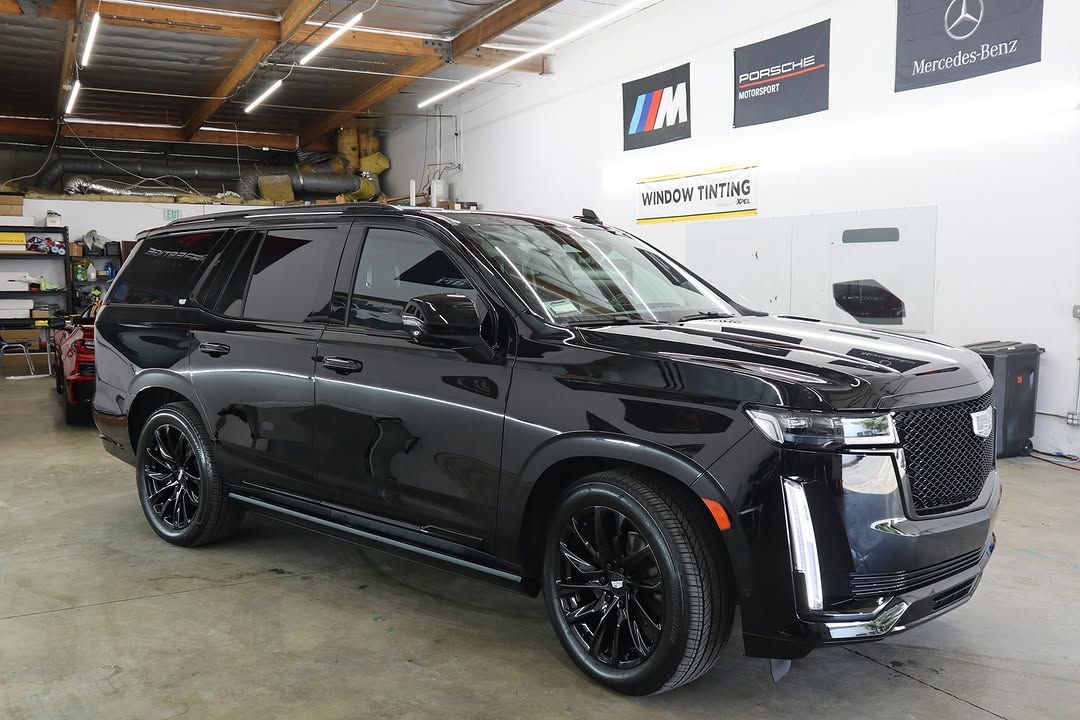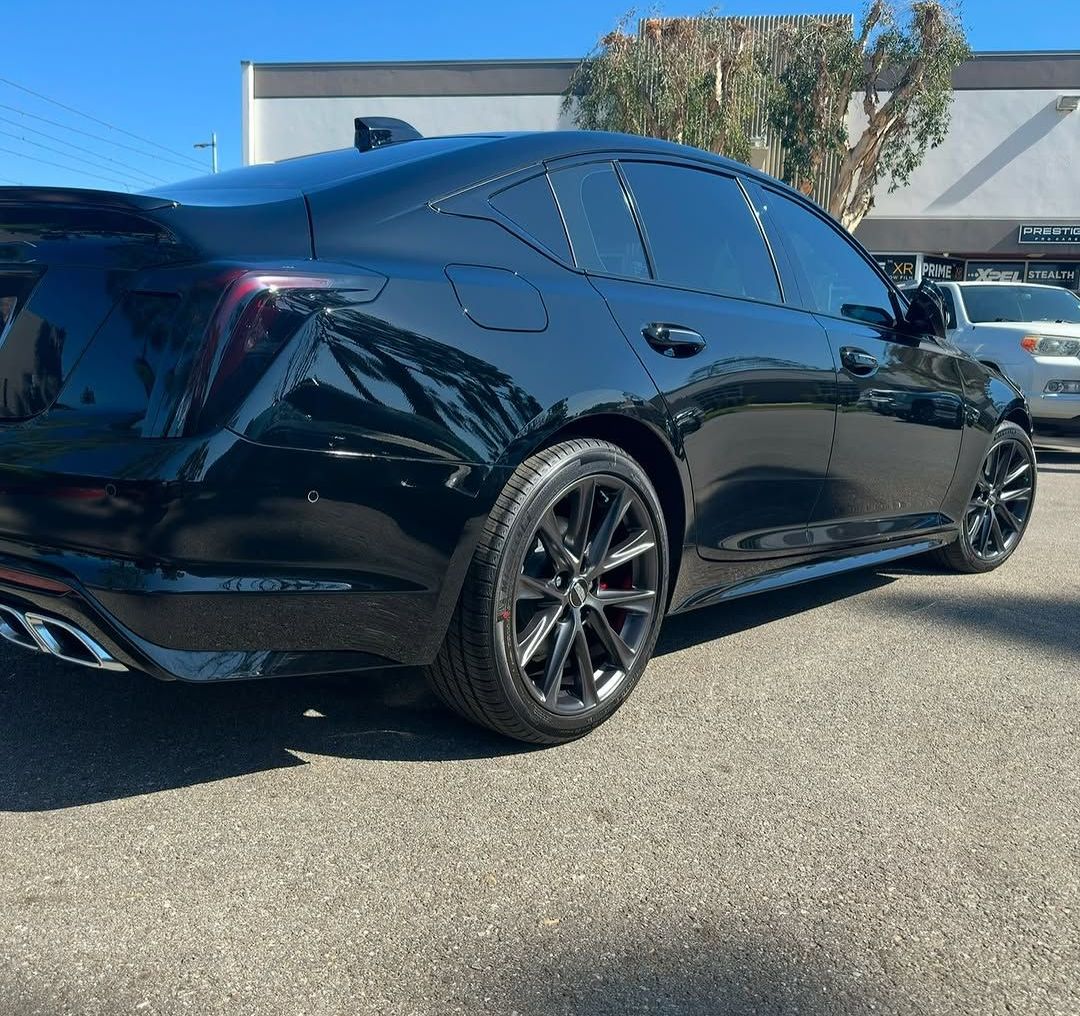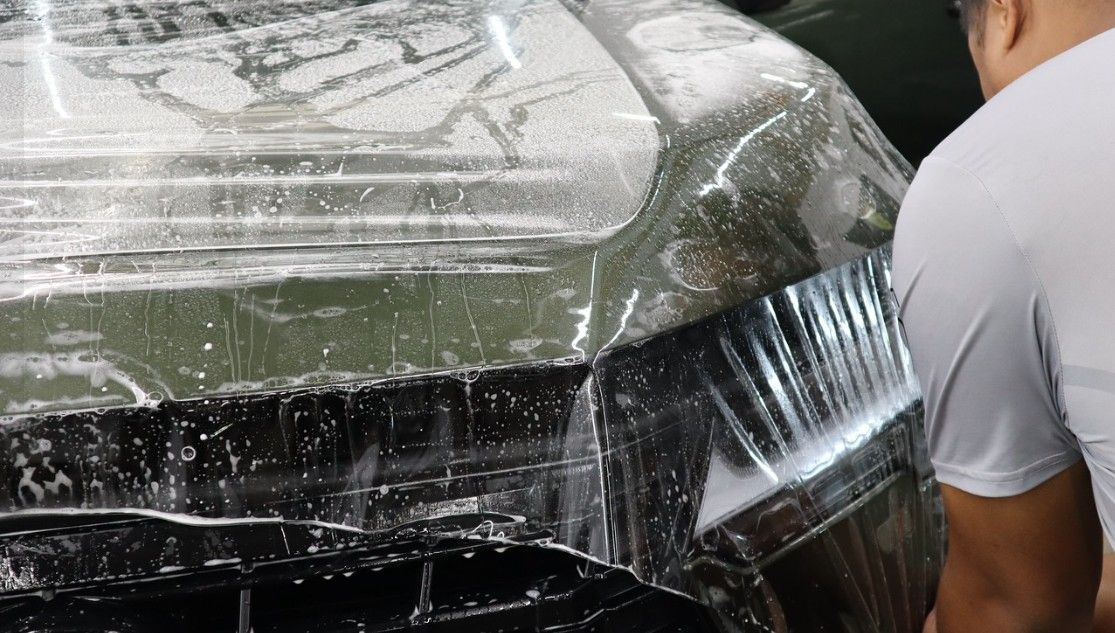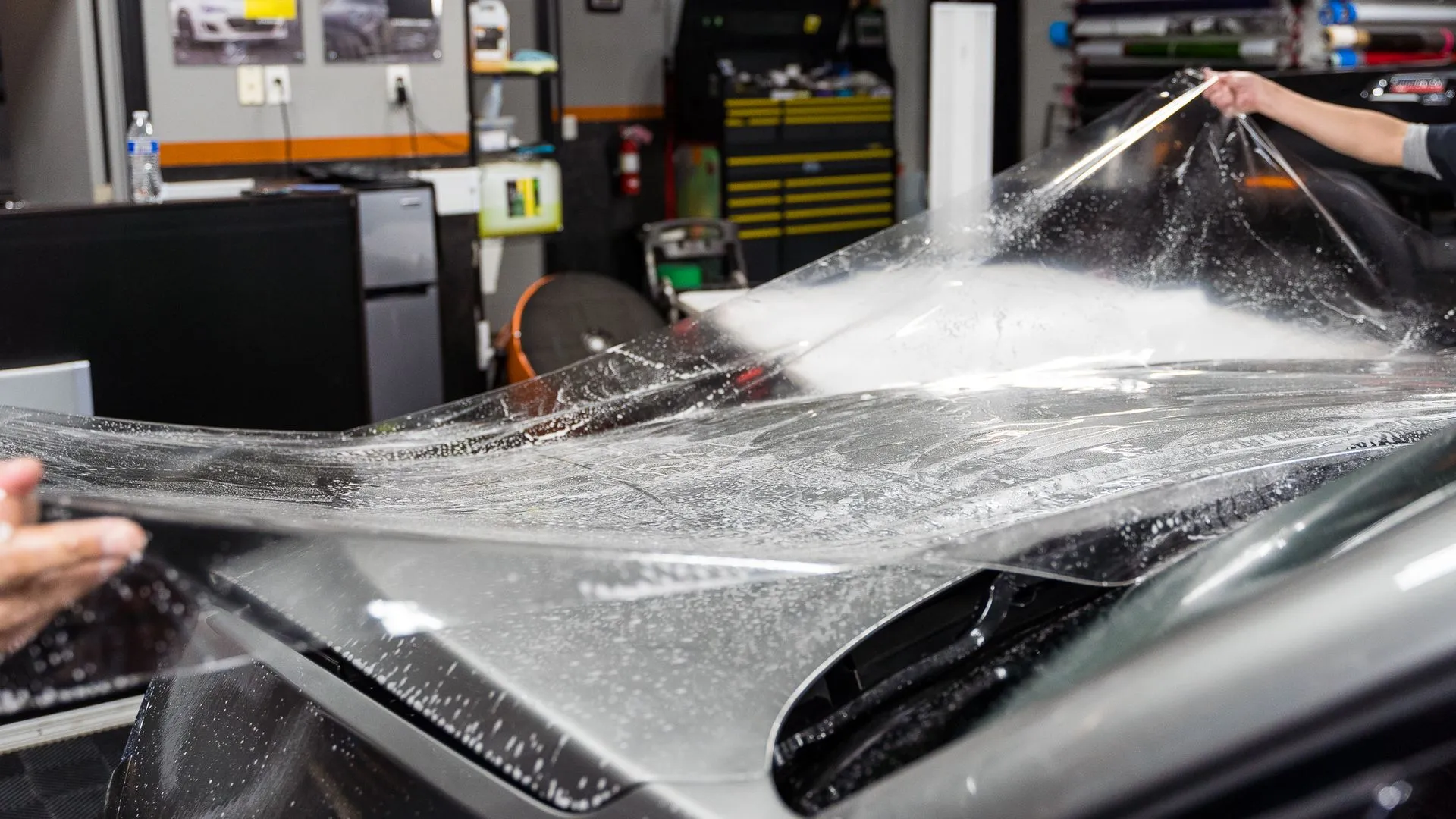
Most people who invest in window tint ask the right question upfront: how long is this actually going to last? Window tint lifespan isn't a single fixed number. It depends on film quality, installation precision, climate conditions, and how the vehicle is maintained afterward.
Two vehicles tinted on the same day can end up in very different places five years later. The driver who chose the right film, had it installed properly, and followed basic maintenance practices will almost always come out ahead. At Prestige Pro Care in San Dimas, CA, we've been installing window tinting for over 16 years. Here's what realistic longevity actually looks like.
What Determines Window Tint Lifespan
Before getting into how long tint lasts, it helps to understand what drives that timeline. Window tint lifespan isn't just about the film. It's about the full picture of film quality, installation precision, environmental conditions, and how the vehicle is maintained afterward.
The four main factors that determine how long your tint holds up:
- Film quality: Higher-grade films use more stable materials that resist UV degradation, color shift, and adhesive breakdown over time. The gap between entry-level films and premium ceramic films is real and shows up clearly over the years of use.
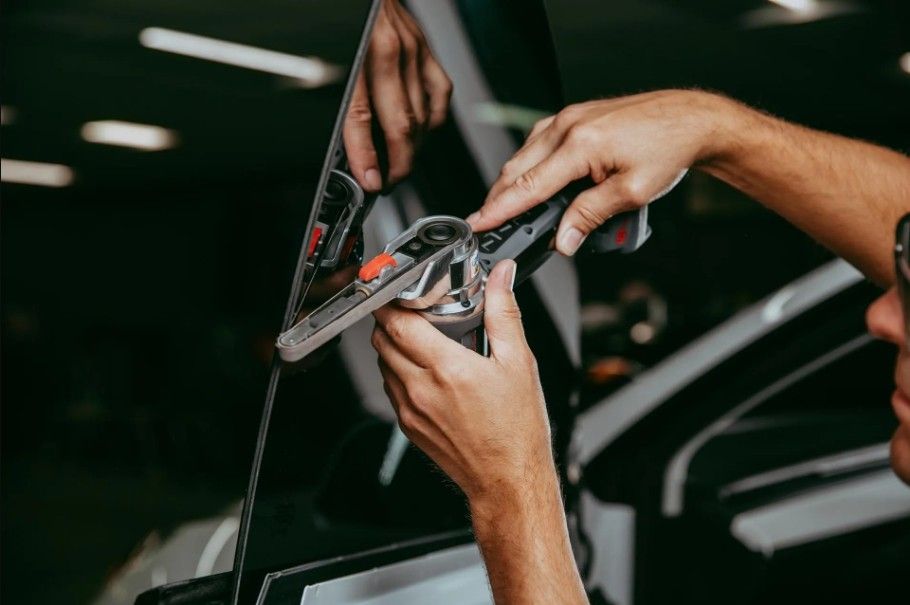
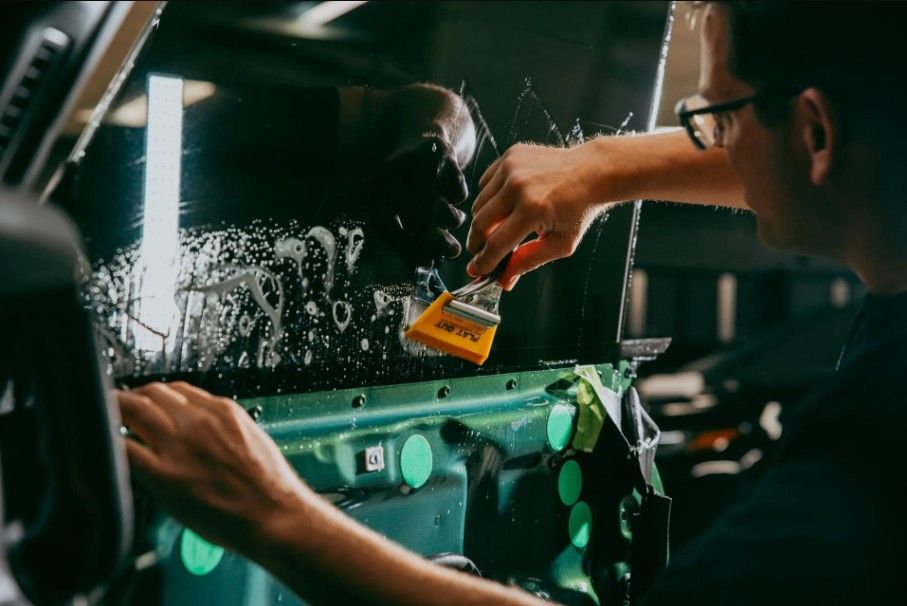
- Installation quality: Even a good film installed poorly leads to early failure. Improper surface prep, inconsistent adhesion, and rushed edge finishing all create weak points that degrade faster under regular conditions.
- Climate and sun exposure: Vehicles in high-UV environments like Southern California accumulate more sun stress than those in cooler, cloudier climates. San Dimas summer heat and year-round direct sun are real accelerants for lower-grade films.
- Maintenance habits: How the windows are cleaned, what products are used, and whether basic post-installation care is followed all affect how long the film holds up at the surface level.
Change any one of these variables, and the lifespan changes with it.
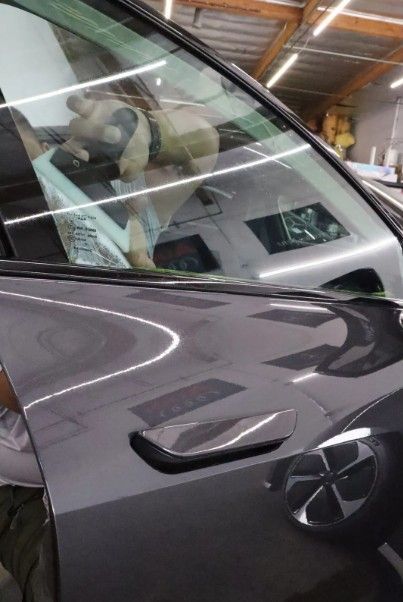
Film Type and Quality: Where Lifespan Starts
The biggest single variable in window tint lifespan is the film itself. Not all window tint is made the same way, and the differences in material quality have a direct impact on durability.
At Prestige Pro Care, we install XPEL window tint films across two performance tiers:
XPEL Prime XR is our standard ceramic film package. It delivers strong heat rejection, blocks harmful UV rays, and is significantly more stable over time than lower-grade film alternatives that degrade more visibly under sustained sun exposure.
XPEL Prime XR+ is our nano-ceramic package built for maximum infrared heat reduction and superior UV protection. For drivers parking outside daily in San Dimas, XR+ offers real advantages in both comfort and long-term film stability. The difference between these and non-ceramic films isn't just day-one performance. It's how each holds up to sustained UV stress over years of use.
How San Dimas Climate Affects Tint Longevity
This isn't a section you'd read in a generic tint article, but it matters specifically for drivers in this area. The Southern California sun is not average. Year-round UV intensity and extended summer heat create one of the more demanding environments for window film.
What this means for window tint lifespan in this area:
- Lower-quality films show degradation earlier here than in cooler climates
- Lower-grade films hold up less reliably under the sustained heat cycles that are routine in Southern California
- Ceramic films are built for this environment, which is why they're the standard at Prestige Pro Care
- Vehicles parked outdoors daily accumulate more UV stress than garage-kept vehicles, even in the same zip code
Maintenance Practices That Protect Your Investment
Tint maintenance is simple. It doesn't require special tools or a complicated routine. But skipping the basics does accelerate degradation, particularly in the early weeks after installation.
Here's what actually matters:
- The curing window: Tint takes 3 to 7 days to fully cure. Avoid rolling windows down during this period. Rushing this stage is one of the more common causes of early edge lifting.
- Cleaning products: Using gentle, film-safe cleaning products helps preserve the surface and adhesive over time. Harsh cleaners can accelerate breakdown.
- Cleaning technique: Cleaning with soft, non-abrasive materials keeps the film surface in better condition and reduces surface marring that becomes more visible with age.
- Parking habits: Regular outdoor parking under direct sun adds UV stress that accumulates across years, particularly on the windshield and front windows.
None of this is complicated. It's the basic care that keeps a tint installation looking sharp years down the road.
Warning Signs That Tint Is Degrading
Knowing what to look for means you can address issues early or plan for replacement with enough lead time to avoid driving around in tint that's past its useful life.
Common signs that window tint is reaching the end of its lifespan:
- Bubbling: Air or moisture pockets that develop under the film, often starting at edges or corners. Small bubbles early on during the curing period are normal. Bubbles that appear later and continue growing are a sign of adhesive failure.
- Discoloration or color shift: Visible color change in the film is one of the clearest indicators of degradation. When a film starts changing in appearance under sustained UV exposure, it's a sign the material is no longer performing as it should.
- Peeling or lifting edges: Edges that start to separate from the glass, particularly around door seals and window tracks, indicate the adhesive bond has weakened.
- Haze or cloudiness: A film that was once clear but now looks hazy suggests the material itself has deteriorated and is no longer performing as intended.
- Surface marring: The outer surface of the film can be worn down by abrasive cleaning materials over time, which eventually affects both clarity and UV performance.
Any of these signs, particularly when more than one appears together, typically means it's time for a replacement conversation.
Planning for Replacement
Even quality film eventually needs to be replaced, and planning for that isn't a sign of failure. It's the nature of any protective product that absorbs years of UV exposure and environmental stress.
When that timing comes up, a few things are worth thinking through:
- Whether the film condition reflects active degradation or normal aging
- Whether upgrading to a higher-performing film tier makes sense at replacement
- What California tint regulations currently require for your vehicle type
At Prestige Pro Care, we approach replacement with the same consultative process as the original installation.
Talk Through Your Tint Options With Us
Whether you're considering tint for the first time or wondering if your current film is still doing its job, a quick conversation is the best first step. At Prestige Pro Care, we assess your situation honestly and walk you through options that fit your vehicle and driving habits.
We offer window tinting packages from front two-window coverage to full cabin surround and pair tint with paint protection film and ceramic coating for a complete protection setup. See what customers say on our reviews page, then contact us when you're ready.
Frequently Asked Questions
What affects window tint lifespan the most?
Film quality and installation precision are the two biggest variables. Window tint lifespan is also shaped by local climate, parking habits, and post-installation cleaning practices. A quality ceramic film installed carefully and properly maintained, will outlast a budget film with a rushed installation by a meaningful margin in a high-UV environment like San Dimas.
Is ceramic window tint worth it for longevity?
For drivers in Southern California, ceramic film is the more practical choice for long-term performance. It holds up better under sustained UV stress, resists color shift and bubbling that affect dye-based films, and maintains its heat rejection and UV blocking performance more consistently across years of use. At Prestige Pro Care, both XPEL Prime XR and Prime XR+ are ceramic-based films for exactly this reason.
How do I know if my current tint needs to be replaced?
The clearest signs are bubbling that keeps growing, visible discoloration or color shift, peeling at the edges, and a haze or cloudiness that wasn't there when the tint was new. If you're noticing more than one of these signs, it's worth having the film assessed by a professional before the degradation affects visibility or your vehicle's appearance more significantly.
Does window tint help protect my interior from sun damage?
Yes. Blocking UV rays and reducing infrared heat protects your dashboard, upholstery, door panels, and trim from the fading and cracking that prolonged sun exposure causes. In San Dimas, year-round sun intensity accelerates interior wear on unprotected vehicles. Tint that's performing well continues providing that protection throughout its lifespan.
How soon after installation can I roll my windows down?
Leave windows up for the full curing period, which runs 3 to 7 days depending on conditions. Warmer climates like San Dimas often allow faster curing, but waiting the full period ensures proper film bonding. Rolling windows down too early is one of the most common causes of edge lifting shortly after installation.