Most aftercare guides stop at day thirty. You get the first-week instructions, maybe a list of things to avoid while the coating cures, and then you're on your own. That's where a lot of owners get stuck.
This piece picks up right there. We're skipping the curing window. What we're covering is the long stretch. The ceramic coating long-term care routine that keeps the coating doing its job months and years after installation. It's not complicated. It just takes consistency and knowing what to avoid.
At Prestige Pro Care in San Dimas, CA, we've been helping car owners protect their vehicles for over 16 years. Here's the honest version.
What the Coating Actually Needs From You
Once a ceramic coating is fully cured, it doesn't need much. That's kind of the point. But it's not a set-it-and-forget-it situation either. The coating is still a surface. It still gets hit with UV rays, bird droppings, dust, and road grime every time you drive. The difference is that contaminants have a much harder time bonding to it. Your job is to keep things moving in that direction.
The coating creates a hydrophobic surface. Water, dirt, and contaminants bead up and roll off instead of sticking. Maintain it properly, and that behavior stays sharp. Use the wrong products or skip maintenance, and the hydrophobic response starts to dull before it should. You don't need to do a lot. You just need to do the right things.
Your Washing Routine: Month Two Onward
How often you wash matters, and so does how you do it. This is where most long-term coating failures start. Not from a single bad wash, but from a pattern of washing habits that slowly grind down the coating over time.
Here's what a healthy washing routine looks like for a coated vehicle:
Wash cadence. For most drivers, washing every two to three weeks is reasonable. In the San Dimas area, where dust and sun exposure are consistent year-round, staying on the shorter end of that range during dry, windy months makes sense. After rain, give it a rinse. Contaminants that sit too long, like bird droppings and tree sap, can etch through the coating if left in place.
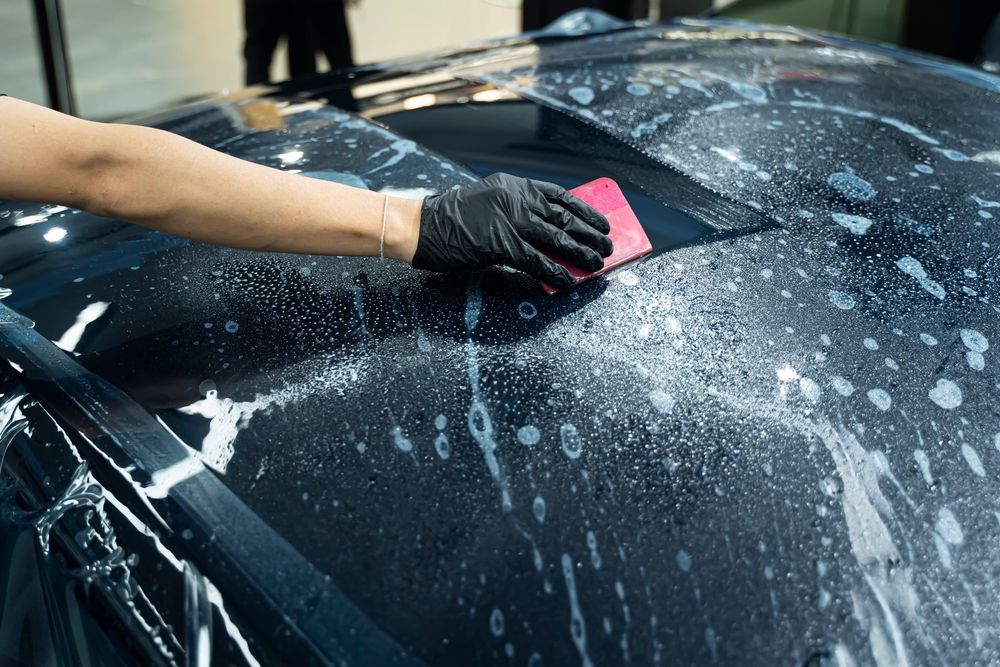
Wash method. Hand washing is the safest approach for a coated car. Using separate water for rinsing your wash mitt between passes is a widely accepted practice to keep dirt from dragging across the surface. Touchless pressure washing works for a quick rinse but isn't a substitute for a proper hand wash.
What to avoid.
- Automated tunnel washes with spinning brushes are a problem. The abrasive contact and harsh chemicals used in many of them will wear down the coating faster than anything else you can do.
- Don't wash in direct sunlight or on a hot surface. The water evaporates too fast and leaves mineral deposits behind.
- Avoid harsh soaps and cleaners not formulated for vehicle surfaces. Products designed for other purposes can affect the coating's hydrophobic properties over time.
Drying. Dry the surface after every wash. Air drying leads to water spots, and water spots baked into a hot surface in direct sun are one of the more common issues we see on coated cars.
What Products Are Safe and What to Skip
You don't need a lot of products to maintain a ceramic-coated car. In fact, keeping it simple is usually better. The more products you layer on, the more chances there are to introduce something that doesn't play well with the coating.
Safe product categories.
- Wash soaps formulated for coated vehicles are the right choice. They clean the surface without working against the coating's properties.
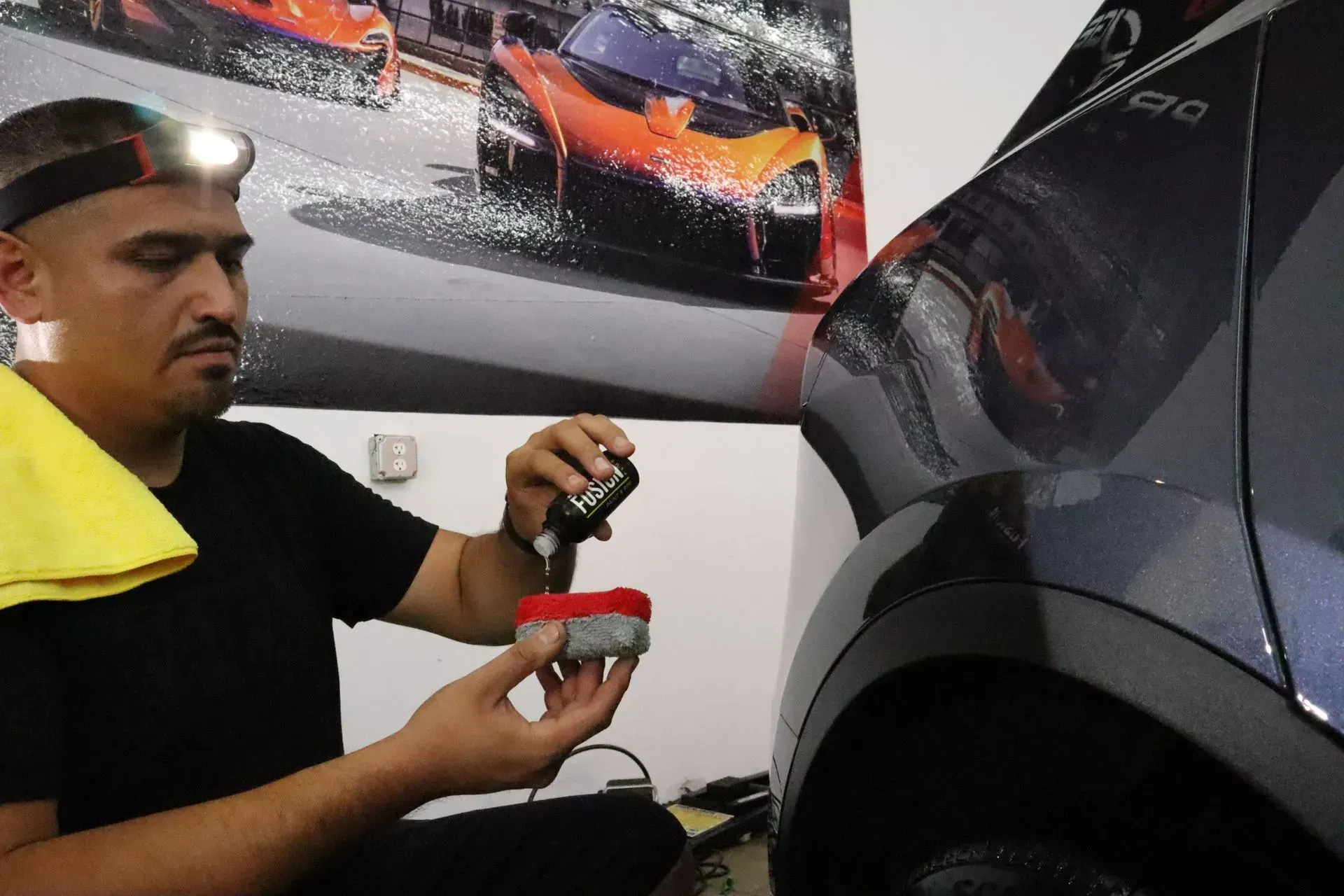
- Products labeled safe for ceramic-coated surfaces are worth keeping on hand for between-wash touch-ups on light dust or fingerprints.
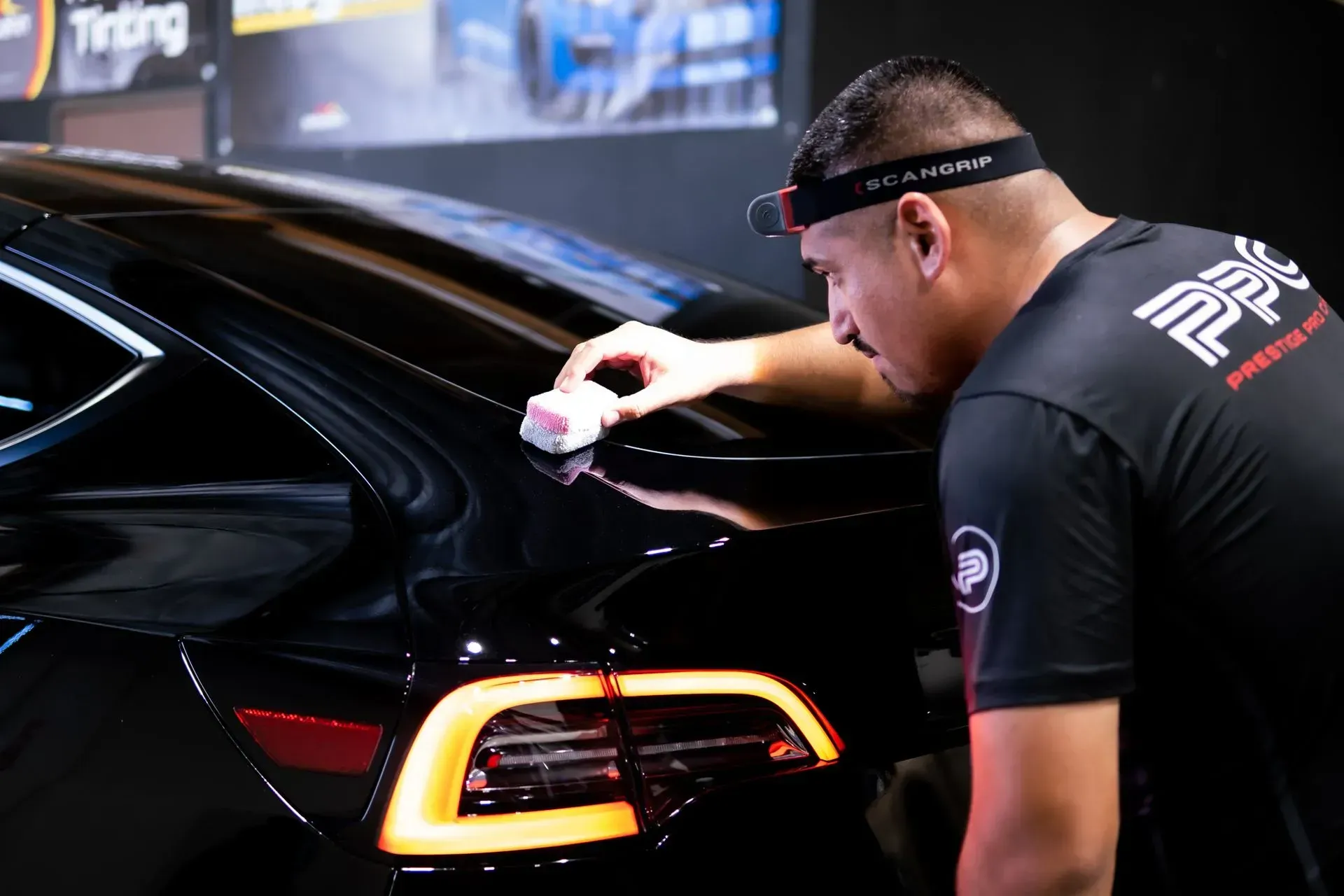
- Periodic decontamination products can help address contaminants that regular washing doesn't fully clear, like brake dust that accumulates on the surface over time. Check with your installer on what's appropriate for your specific coating.
What to avoid.
- Wax. You don't need it, and some wax formulas leave residue that dulls the hydrophobic response.
- Products not specifically formulated for use on ceramic coatings. When in doubt, check with the shop that installed your coating before adding anything to your routine.
- Polishing compounds. Polishing removes a thin layer of material. On a coated surface, that means cutting into the coating itself.
Whatever aftercare guidance you received from your installing shop takes priority over general advice, including what's here. If there's a conflict, go with what your installer told you.
Seasonal and Situational Adjustments
The ceramic coating long-term care routine doesn't look exactly the same in January as it does in August, and it doesn't look the same for a daily driver parked outside as it does for a weekend car in a garage.
Sun and heat. Southern California sun is relentless. Year-round UV exposure puts real stress on a coating. The coating handles it well, but that protection works best when the surface stays clean. Contaminants sitting on a hot surface under direct sun create more risk than the same contaminants on a shaded car.
Rain. After rain, give the car a rinse or a quick wash. Rainwater can carry contaminants that leave residue behind when it evaporates on the surface.
Bird droppings and tree sap. Don't let these sit. Both can cause surface damage to the coating if they're given time to set and bake in the heat. A quick wipe when you notice them is a lot better than dealing with the result after a few days.
Garage versus outdoor parking. If you park outside regularly, you're going to need to wash more often. Dust, pollen, and UV exposure compound. If you have access to a garage, using it keeps the coating fresher longer between maintenance treatments.
When a Periodic Maintenance Treatment Makes Sense
The coating doesn't stay at peak performance forever without any attention beyond washing. Over time, the hydrophobic behavior can start to decline. Water doesn't bead the way it did. The surface looks a little less sharp than it did at the six-month mark.
That's normal. Ceramic coatings can wear are compounds., and periodic maintenance may be necessary for continued effectiveness. A maintenance treatment is designed to refresh the surface and restore hydrophobic behavior without stripping and reapplying the full coating.
How often depends on environment and maintenance habits. Cars parked outside daily in Southern California dust and sun may benefit from a treatment sooner than a garage-kept vehicle. The sign to watch for is a change in water behavior. If water isn't beading and sheeting the way it used to, the surface may be ready for attention.

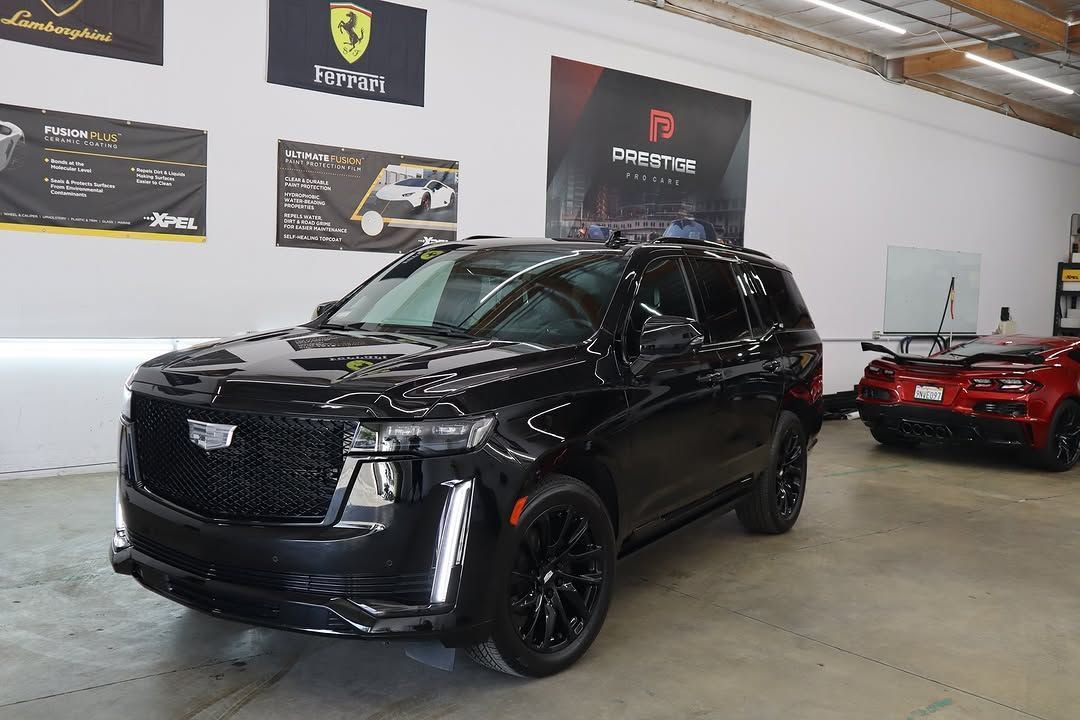
Keep Your Coating in Good Hands
When the time comes for a maintenance inspection or treatment, working with the shop that installed your coating is the best option. At Prestige Pro Care, we're here for our customers long after installation day. If you're noticing changes in performance or just want an honest look at where things stand, come talk to us.
We offer full detailing for coated vehicles, paint correction when the surface needs prep before any treatment, and our full range of ceramic coating services. See what San Dimas area owners are saying on our reviews page, then reach out to us when you're ready.
Frequently Asked Questions
How often should I wash a ceramic-coated car?
Every two to three weeks is a reasonable cadence for most drivers. In the San Dimas area, washing on the shorter end of that range during dusty or dry months keeps contaminants from sitting too long. After rain or a dusty drive, a quick rinse is worth doing even if a full wash isn't needed.
Can I take a ceramic-coated car through an automated tunnel wash?
Not as a regular practice. Automated washes with spinning brushes use abrasive contact and harsh chemicals that wear down the coating's surface properties over time. A touchless pressure wash is a safer option when hand washing isn't available, but it shouldn't replace a proper two-bucket hand wash regularly.
How do I know if my ceramic coating needs a maintenance treatment?
The clearest sign is a change in water behavior. If water isn't beading and sheeting the way it did after installation, the hydrophobic response has started to decline. That's a normal part of the ceramic coating long-term care routine and a signal the surface may be ready for a treatment. A professional inspection is the most reliable way to confirm.
Is it okay to use wax on a ceramic-coated car?
Generally, no. Wax isn't needed on a coated surface and can interfere with how the coating performs. Some wax formulas leave a residue that dulls the hydrophobic behavior rather than supporting it. If you want to add a layer of protection or refresh the surface between treatments, use a product specifically designed to be compatible with ceramic coatings.
What's the biggest thing that shortens a ceramic coating's lifespan?
Improper washing. Automated brush washes, harsh soaps, polishing compounds, and washing in direct sunlight all wear down the coating faster than regular driving would. A consistent hand washing routine with the right products, combined with periodic professional maintenance, goes a long way.