Paint Protection Film on a Leased Car: Worth It or Not
Leasing a car puts you in an interesting spot. You're driving a vehicle you care about; you want it to look good, but you also know you're handing it back in a few years. So when someone brings up paint protection film for leased cars, the first reaction is usually: does that even make sense if I don't own it?
It's a fair question. And the honest answer is that for a lot of lease drivers, it makes a lot of sense. Not because of the film itself, but because of what shows up at the end of a lease if you don't protect the paint.
Rock chips from the highway. Surface marks along the door edges from parking lots. Small stuff, individually. But at a lease return inspection, that small stuff adds up. Dealers and lease inspectors look closely at paint damage, and charges for what they consider beyond normal wear get added to your final statement before you walk away.
At
Prestige Pro Care in San Dimas, CA, we've worked with lease drivers for over 16 years. Here's how we actually think through this decision.
What PPF Does During the Lease Period
This is where the value lives for lease drivers. Paint protection film for leased cars isn't about ownership. It's about what the paint looks like when the car goes back.
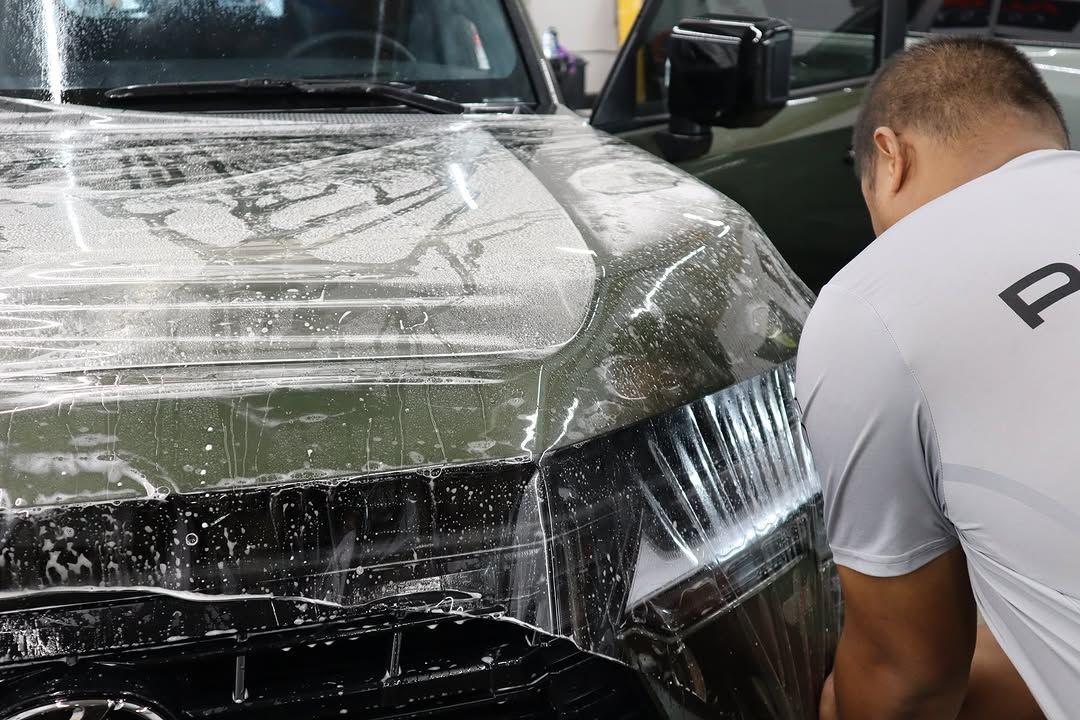
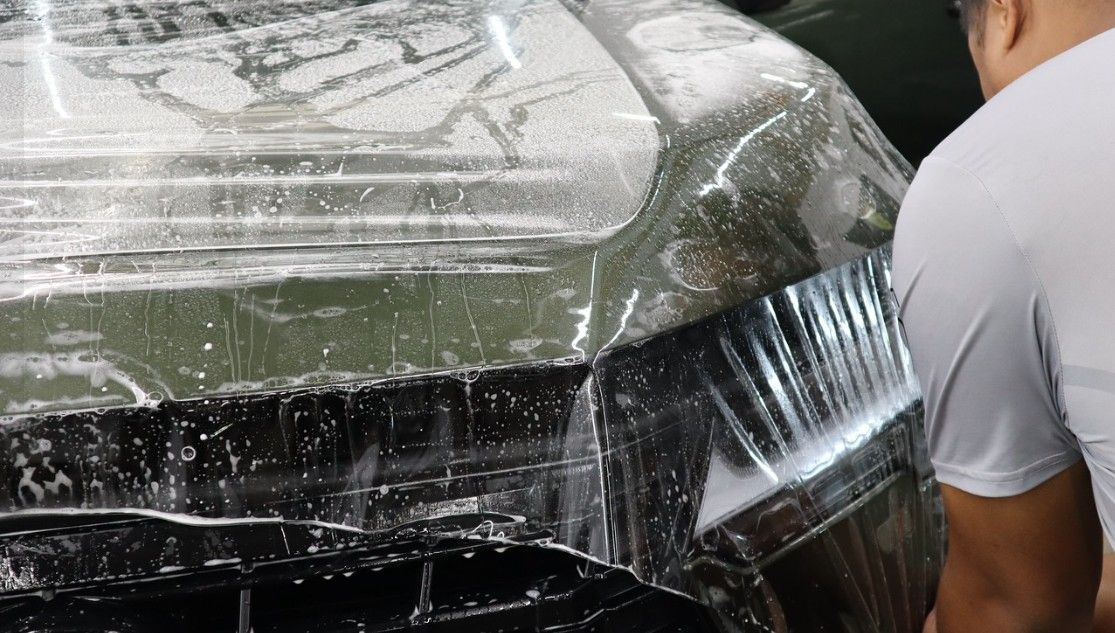
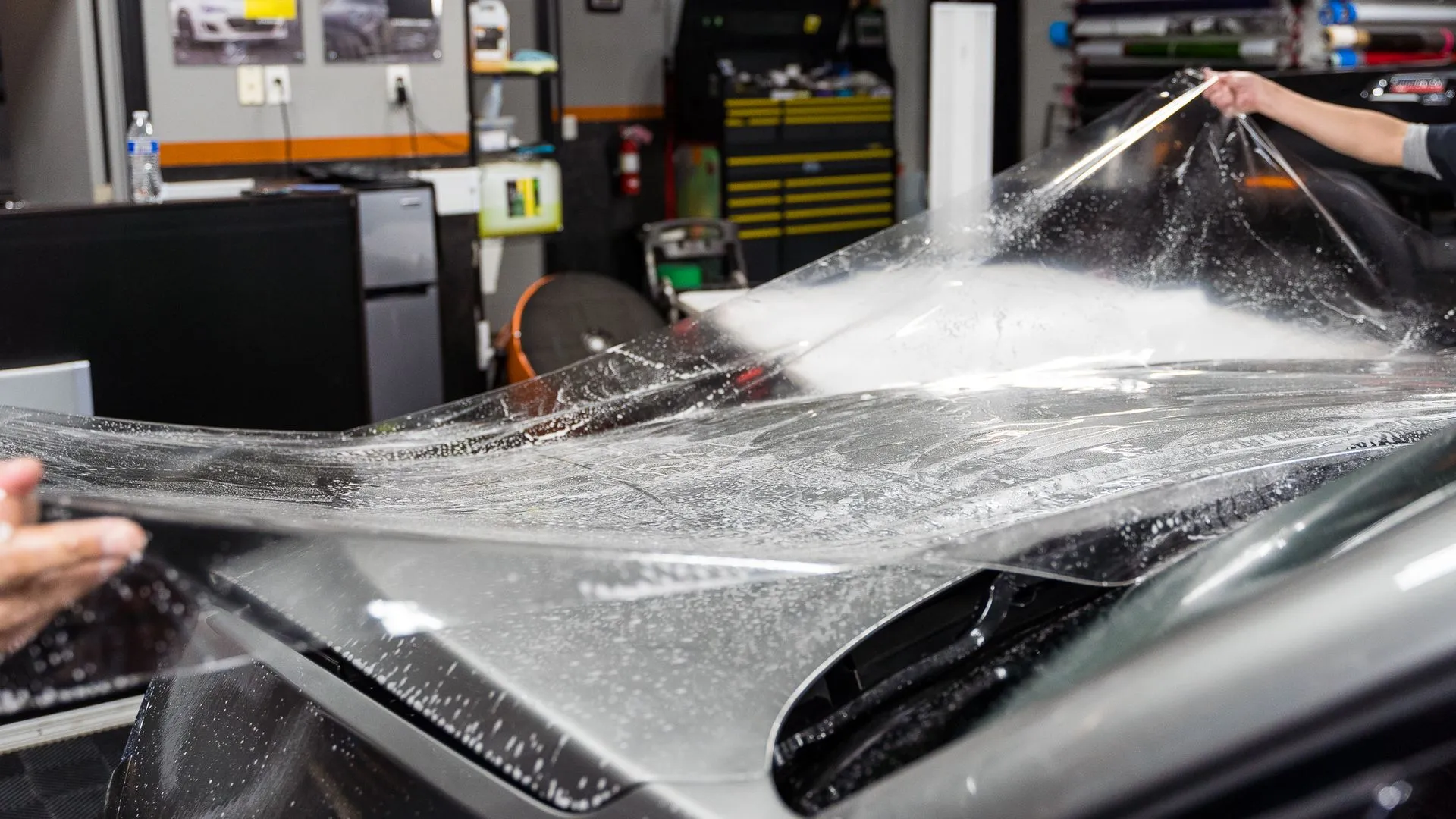
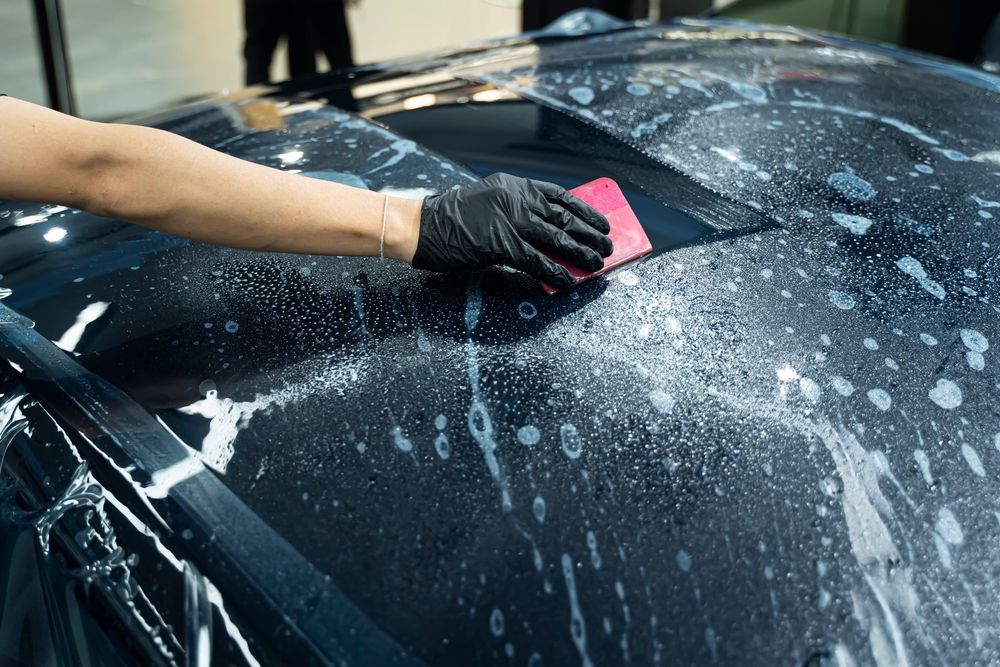
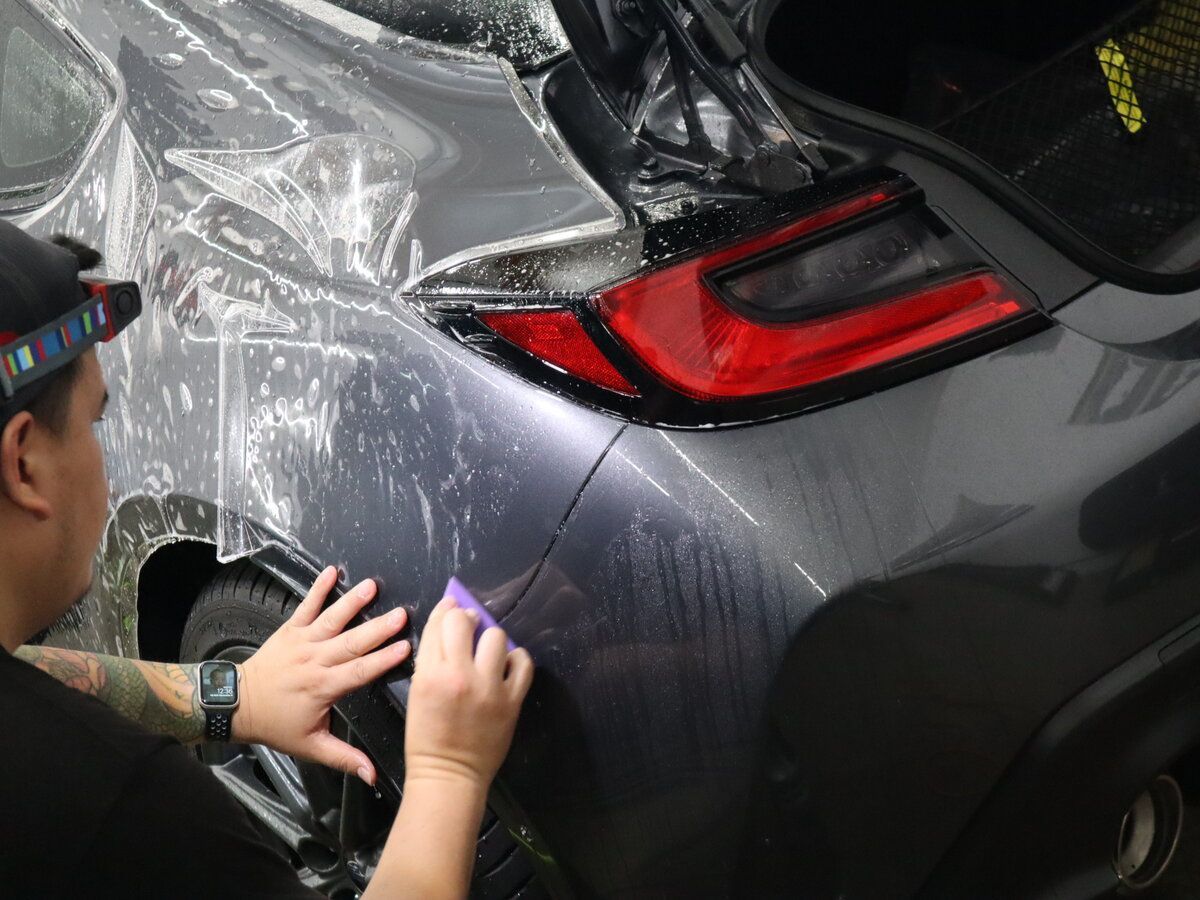
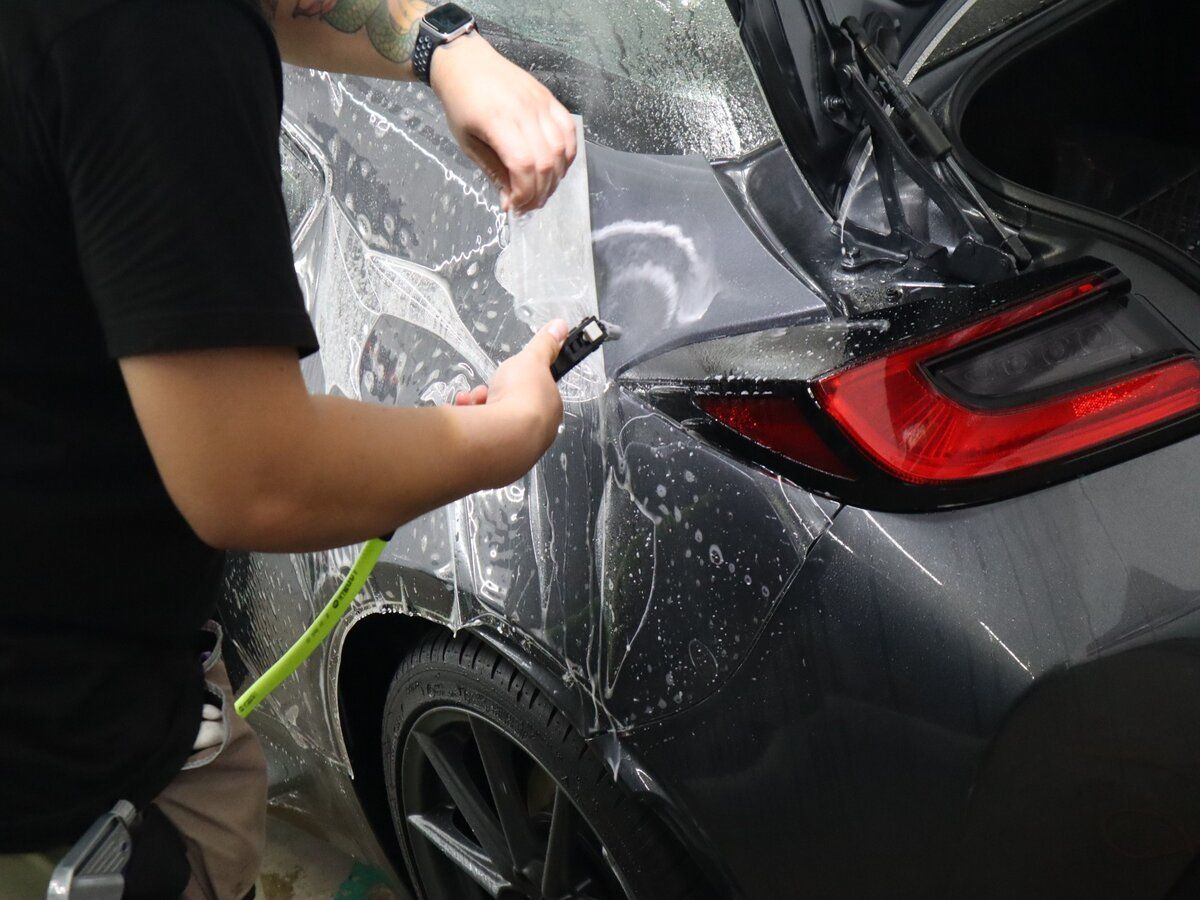
PPF is a clear protective film that goes over your vehicle's painted surfaces and acts as a barrier between the paint and everything the road throws at it. Rock chips, road debris, environmental hazards, UV exposure from the California sun. The film absorbs the impact instead of your paint. And premium film has self-healing properties, meaning minor surface marks on the film fade out on their own when exposed to heat or sunlight.
What that means on a practical level is that after two or three years of driving, your paint still looks close to how it did when you picked the car up. No chips on the hood. No marks on the fenders. The film took the hits. The paint underneath stayed clean.
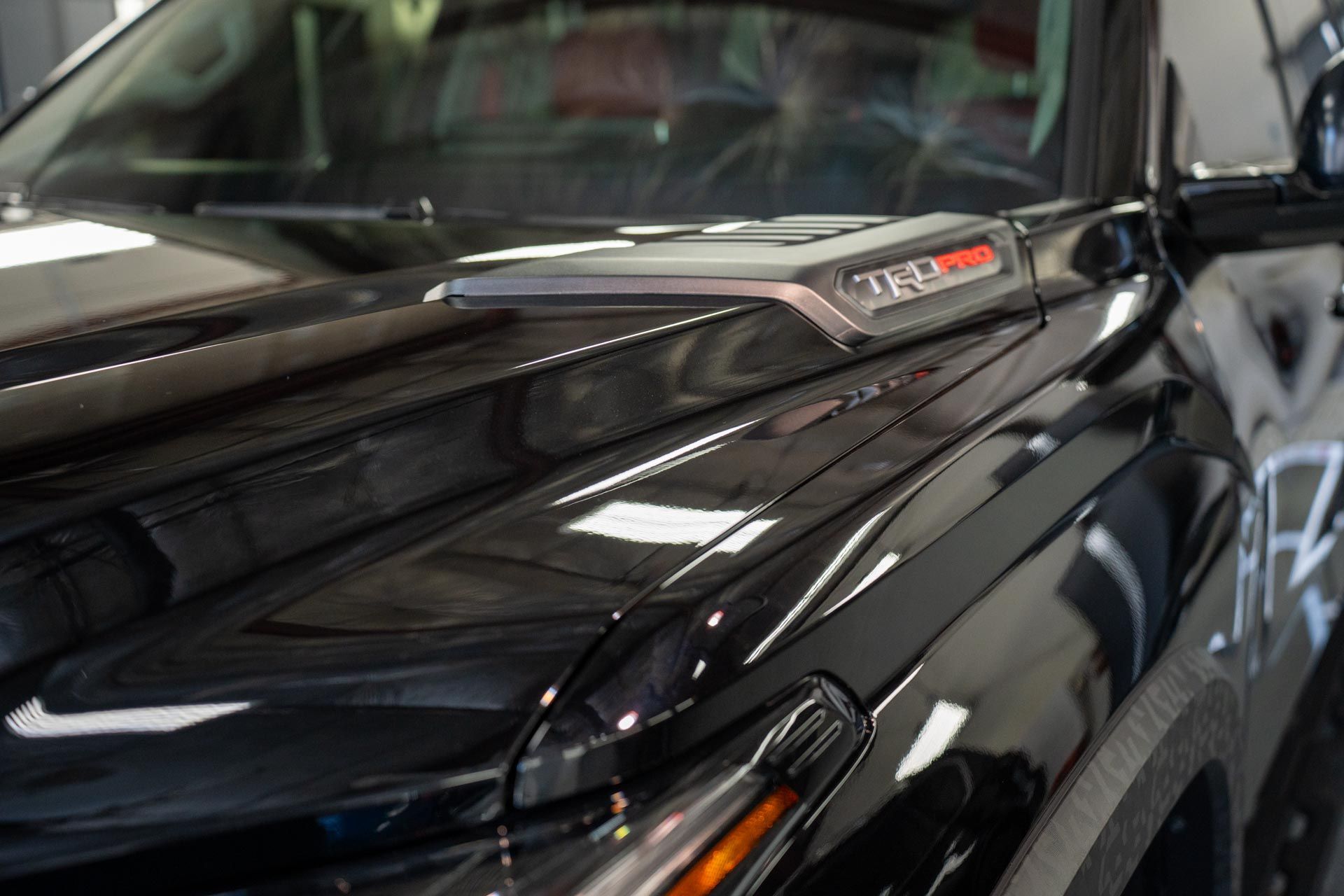
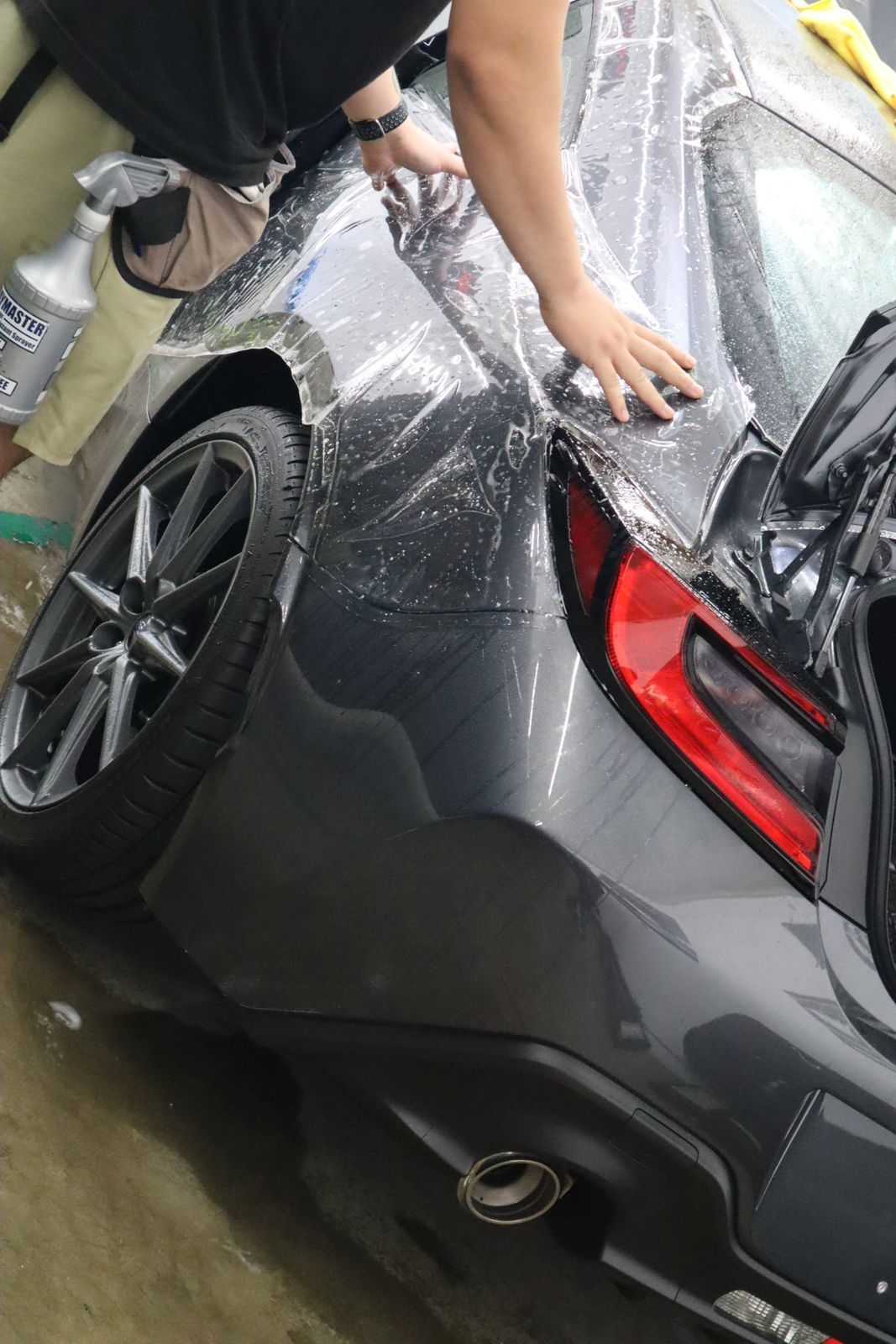
Coverage at Prestige Pro Care is customizable. A front-end package covers the hood, bumper, fenders, headlights, and mirrors. A track package adds rocker panels and rear fender coverage. Full vehicle coverage wraps every painted surface. For a lease situation, most drivers lean toward front-end or track coverage because those are the zones where damage shows up most consistently.
What the End-of-Lease Inspection Actually Looks For
Most lease agreements distinguish between normal wear and excessive damage. Normal wear is expected. Excessive damage is charged.
What tends to fall into the charged category varies by manufacturer and dealer, so we won't give you a universal list. What we can tell you is that paint damage is one of the more common sources of end-of-lease charges. Generally speaking, the panels most exposed to road debris, including the hood, fenders, bumper, and door edges, are the ones that tend to show the most wear. Those are also the areas that PPF coverage typically addresses.
The logic is straightforward. If protecting those panels during the lease costs less than the damage charges at return, the film paid for itself. That math varies by driver and lease agreement. But for someone with a highway commute and a three-year lease, it's worth running through.
Does the Film Come Off Cleanly at Lease Return?
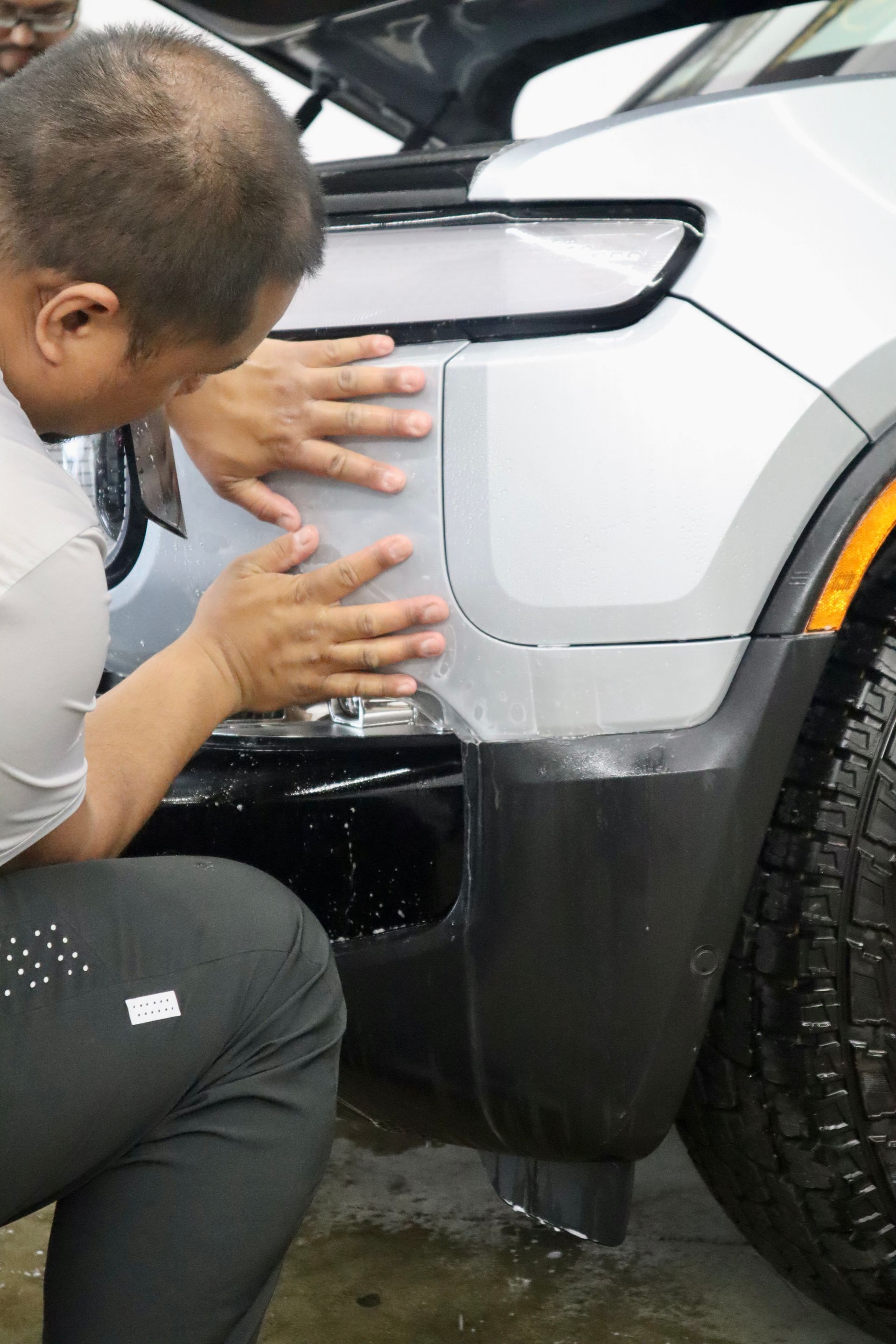
Yes, and this is something a lot of lease drivers ask about. PPF is designed to be removable. When it's time to return the car, the film can be professionally removed, and the paint underneath comes out in the same condition it was in when the film went on.
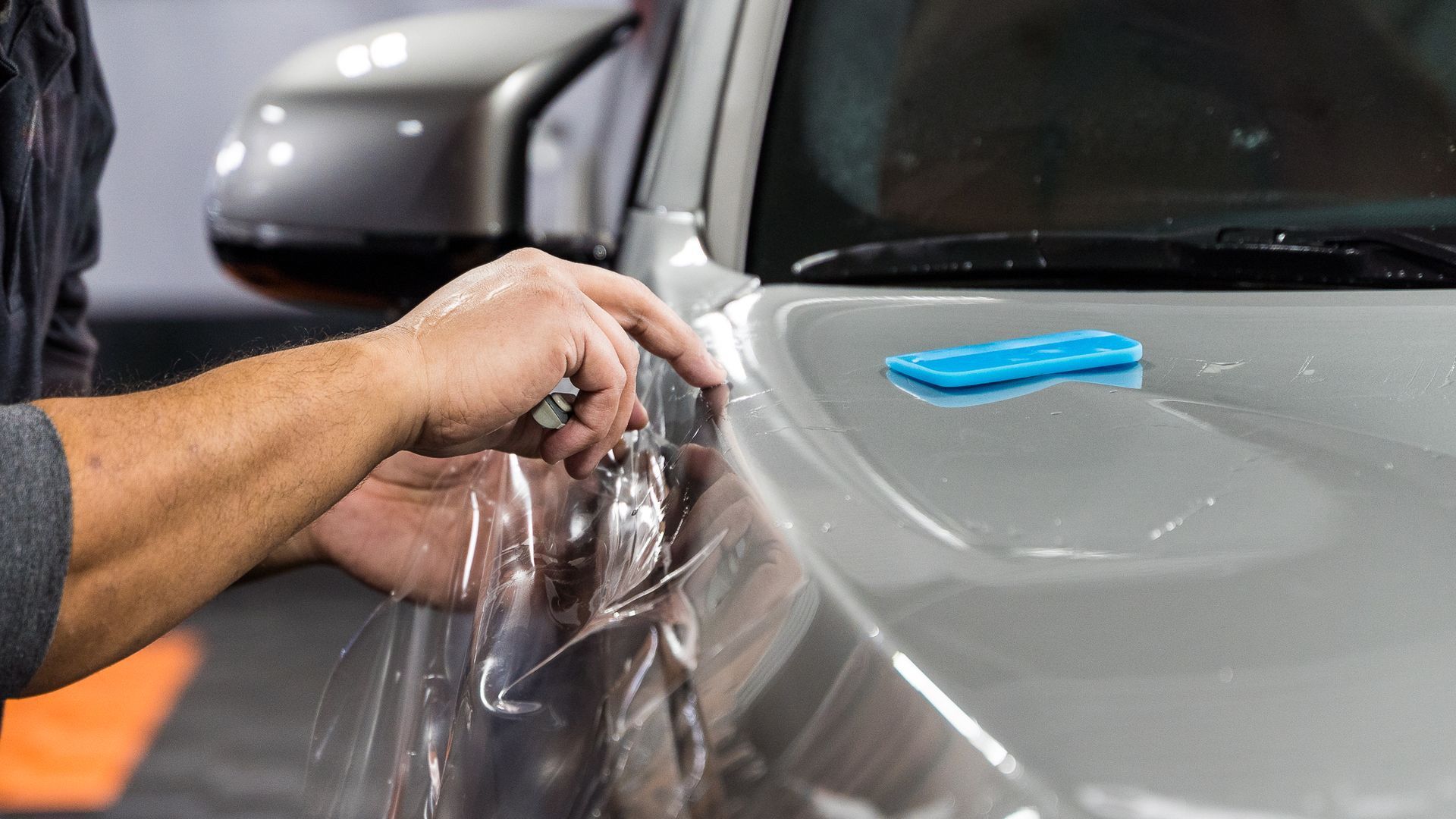
The film protects the paint while it's on and preserves the original factory finish in a condition that holds up at inspection. At Prestige Pro Care, our installation process wraps edges carefully so the film comes off without leaving residue or affecting the paint underneath.
Where PPF Coverage Makes the Most Sense on a Lease
Not every area of the car needs equal protection. For lease drivers in particular, putting coverage where damage is most likely to appear makes the most practical sense. Here's a look at the zones worth prioritizing:
Front bumper: Takes the most abuse from highway driving. Stone impacts and road debris hit this panel harder than any other. It's the single highest-impact area on most vehicles.
Hood: The large horizontal surface that sits directly in the path of debris kicked up by other vehicles. Chips on a hood are visible and tend to be one of the first things noticed at a return walkthrough.
Front fenders: Sit right behind the wheels and catch a lot of debris spray from the road surface. Often overlooked until the lease return conversation happens.
Mirrors: Door mirrors on both sides take side-impact debris and parking lot contact. A common spot for surface marks.
Rocker panels: The lower sections along the sides of the car that take road debris and stone chips from low angles. Most lease drivers don't think about them until they see charges.
Door edges: Every time a door opens, the edge is at risk in a parking lot. Door edge guards are a simple addition that prevents one of the more avoidable damage scenarios.
A Practical Way to Think Through the Decision
Here's how we walk lease customers through the decision:
- How long is your lease? A three-year highway commuter accumulates far more paint stress than a short-term, low-mileage lease.
- What does your lease agreement say about paint damage? Some agreements define clear thresholds. Reading that before you come in tells you what you're actually protecting against.
- What does your commute look like? Highway miles mean more debris. Surface streets are lower risk. Your pattern matters.
- Which panels concern you most? You don't need to cover the whole car. Targeted front-end coverage handles the majority of damage risk for most lease drivers.
If you want to walk through your specific situation, that's exactly what a consultation is for.
Come Talk to Us Before You Decide
Whether you're starting a new lease or you're already a year in, a conversation is worth having. At Prestige Pro Care, we give lease drivers an honest read on what coverage makes sense, and we've been doing this long enough in San Dimas to know what actually shows up at lease return inspections.
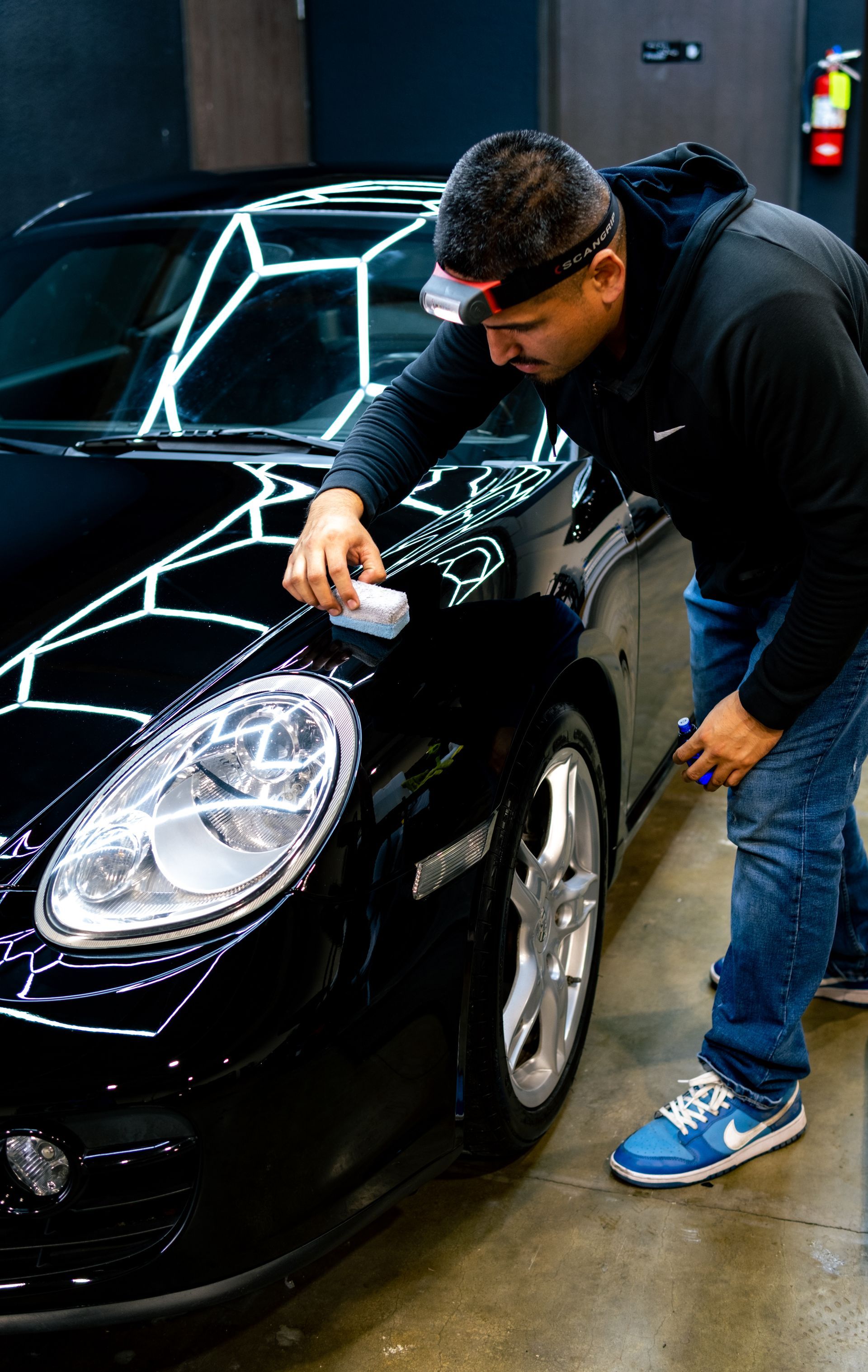
We offer paint protection film packages from front-end coverage to full vehicle protection, and we can pair PPF with ceramic coating for drivers who also want easy maintenance throughout the lease. If your paint already has some wear, our paint correction team can address that before film goes on. Take a look at what other customers have said on our reviews page, and when you're ready, reach out to us to set up a consultation.
Frequently Asked Questions
Is paint protection film worth it on a leased car?
For most lease drivers, yes. Paint protection film for leased cars protects the panels most likely to show damage at return, and the film comes off cleanly when the lease ends. Whether it makes financial sense depends on your lease terms, your driving habits, and what damage charges look like in your agreement. But for someone with highway miles and a three-year lease, it's worth running through the math before deciding.
Can PPF be removed before returning a leased car?
Yes. PPF is designed to be removable. When professionally installed and removed, the paint underneath comes out in the same condition it was in at the time of installation. That's actually one of the stronger arguments for PPF on a lease. The film protects the paint during the lease and then comes off cleanly, leaving factory paint in good condition at return.
Does PPF installation void a lease agreement?
Lease agreements vary, so checking yours or confirming with your dealer before installation is always the right move. PPF doesn't alter the vehicle in any permanent way and is removable without damaging the paint. When in doubt, go straight to your leasing company with the question.
What areas should I prioritize for PPF on a leased car?
The front bumper, hood, front fenders, and mirrors are the highest-priority zones for most lease drivers because those are the panels that accumulate damage from road debris and get looked at closely at inspection. Rocker panels and door edge guards are worth adding for drivers who spend time in parking lots or have concerns about side-impact marks. We help you figure out the right coverage for your specific vehicle and lease situation.
Is it too late to add PPF if I'm already into my lease?
No. PPF can be installed at any point during the lease. If the paint already shows some wear, our team can assess the surface and handle correction before the film goes on. The remaining time in your lease still benefits from protection, and the film still comes off cleanly at return.