You had your car coated, it looked perfect for weeks, and then you noticed spots on the paint. Maybe after rain. Maybe after parking near a sprinkler. Now you're wondering whether the coating is doing its job or whether something went wrong.
Here's the honest answer: water spots on a ceramic-coated car are normal. They don't mean the coating has failed. They don't mean the installation was done wrong. Removing water spots from ceramic coating is a situation most coated car owners will deal with at some point, and knowing how to handle it correctly is what separates owners who protect their investment from those who accidentally damage what they're trying to save.
At Prestige Pro Care in San Dimas, CA, we get this question regularly. Here's how we think through it.
Why Water Spots Still Appear on a Ceramic-Coated Car
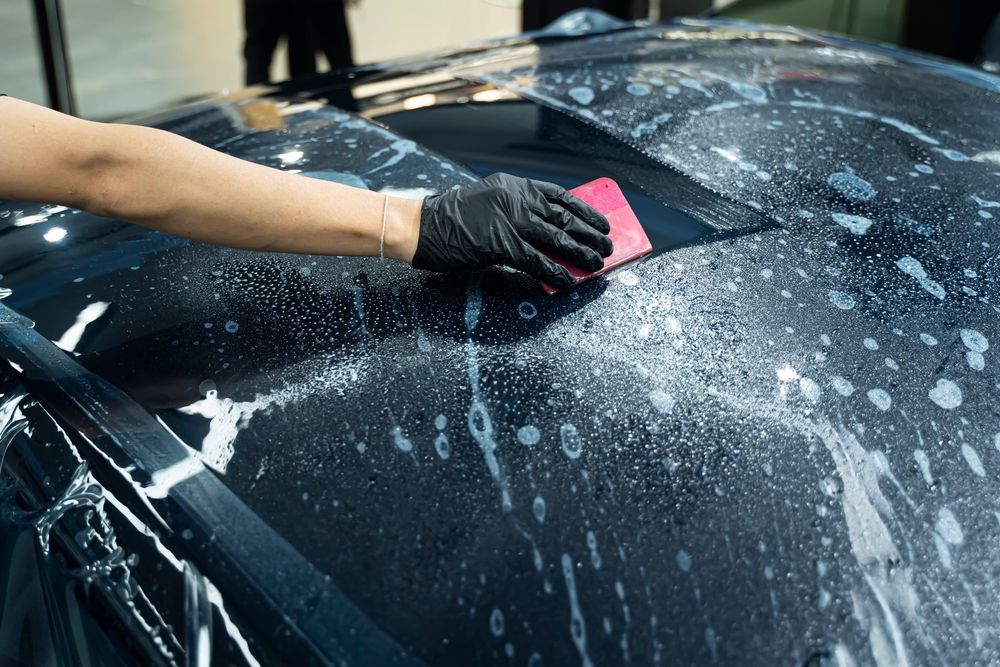
The coating creates a hydrophobic surface. Water beads up and rolls off instead of spreading flat across the paint. That behavior is real, and it does reduce how often spots develop. The website for Prestige Pro Care is specific about this: the hydrophobic effect minimizes water spots, as water quickly sheds away without leaving mineral deposits behind.
Minimizes. Not eliminates.
When water sits on any surface long enough, it evaporates and leaves behind whatever minerals it was carrying. The coating slows that process down significantly. Water that beads and rolls off before it evaporates doesn't leave a spot. But water that sits in place, say in a shaded area that doesn't get enough airflow, or on a flat panel on a calm day, will eventually evaporate and leave mineral residue behind regardless of what's protecting the paint underneath.
Removing water spots from ceramic coating usually comes down to one of a few common causes:
- Water allowed to dry on the surface: Rain or rinse water that wasn't dried off and sat in place until the sun did it instead.
- Mineral-heavy water: Water with a higher mineral content leaves more visible deposits when it evaporates. The more minerals the water carries, the more noticeable the residue when it dries.
- Sprinkler overspray: Water from irrigation systems that hits the car repeatedly can leave concentrated residue on the paint, often in patterns that are easy to spot.
- Water trapped on flat or recessed areas: Hoods, roofs, and horizontal panels don't shed water as quickly as vertical surfaces. If the car sits in direct sun after getting wet, those areas dry faster and leave more residue.
None of these scenarios mean the coating isn't working. They mean water stayed long enough to evaporate. The coating is still there. The spots are on top of it.
The Difference Between Light and Stubborn Spots
Not all water spots are the same, and how you handle them depends on what type you're dealing with.
Light surface deposits are the most common. These develop when water evaporates quickly and doesn't have time to bond aggressively to the surface. On a coated car, these tend to wipe away without much resistance when addressed soon after they appear. The hydrophobic surface of the coating reduces how firmly these deposits grip, which is one of the real practical benefits of having the coating in place.
Stubborn or etched spots are a different situation. These develop when mineral-heavy water sits for an extended period, often in direct sun, and the deposits have time to bond more firmly to the coating surface. You can usually tell the difference by whether the spots wipe away easily with a damp cloth. If they don't, they've had time to set.
Etched spots on a coated surface are worth taking seriously. Not because the coating has been damaged, but because aggressive removal attempts are where owners accidentally cause more harm than the spots themselves would have. The goal is to remove the deposit without abrading the coating in the process.
How to Handle Water Spots Safely
Before doing anything, assess what you're dealing with. Light spots and stubborn spots need different approaches, and using a heavy-handed method on a light spot creates unnecessary risk to the coating.
For light, fresh deposits:
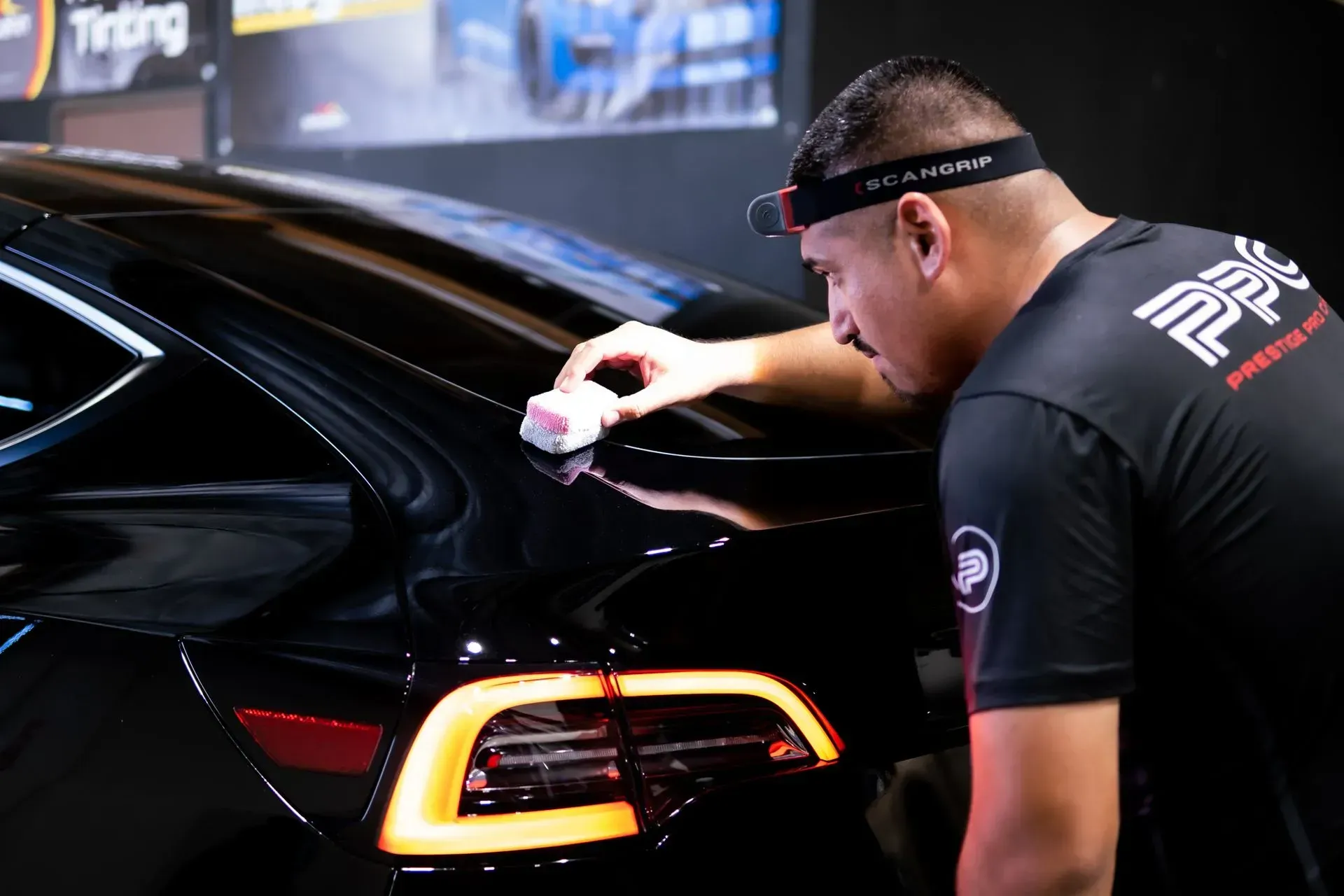
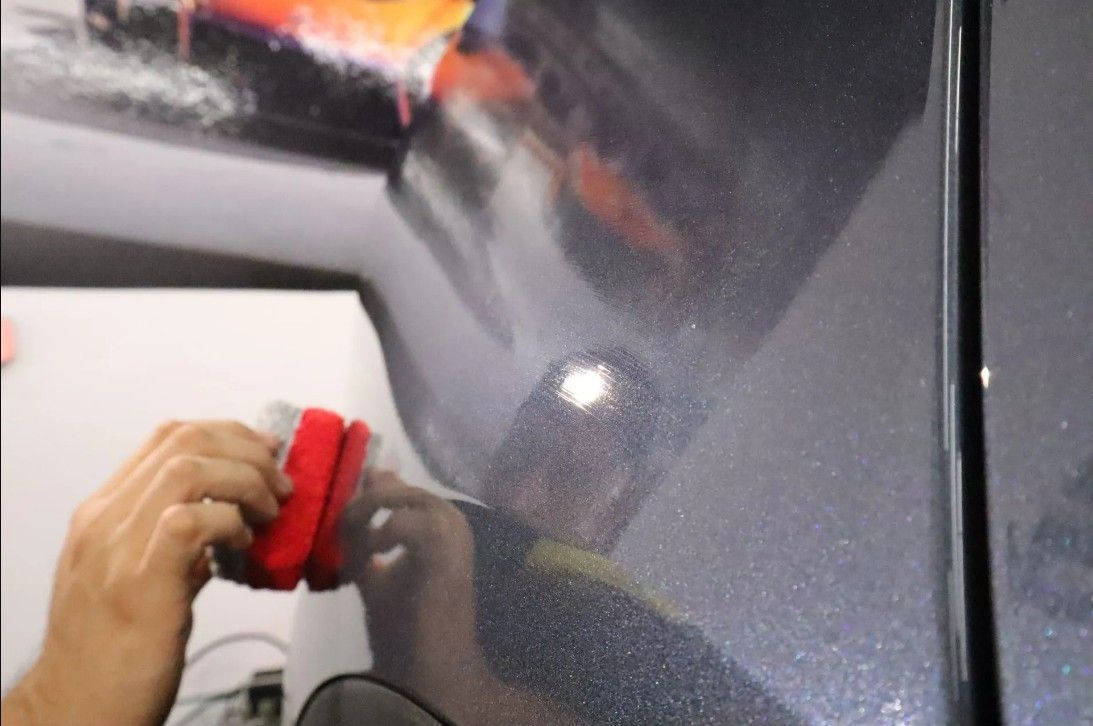
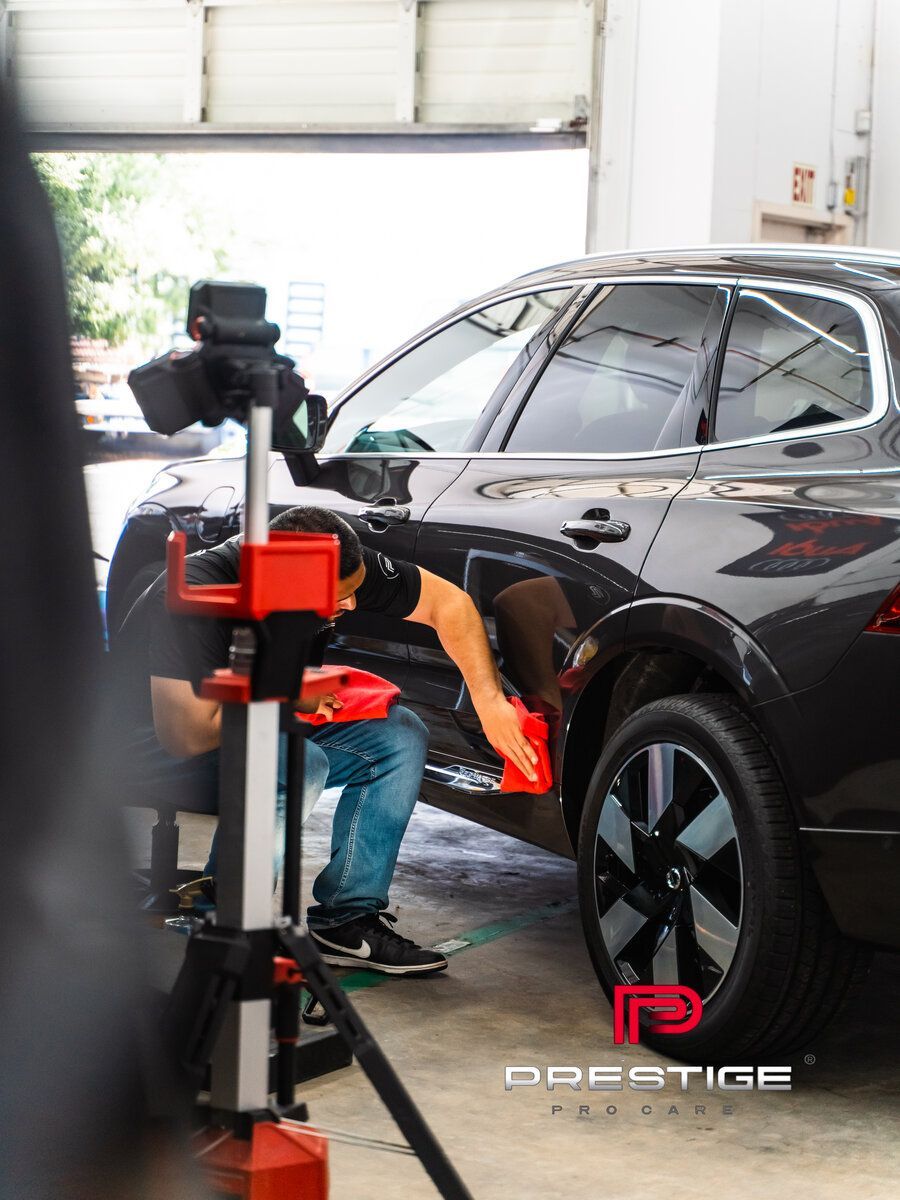
A soft, damp cloth is often enough. The coating's surface makes it harder for fresh deposits to grip, so gentle contact with a clean cloth after moistening the surface will lift them without any product needed. Work in small sections and don't apply downward pressure. You're lifting residue, not scrubbing.
For spots that don't lift easily:
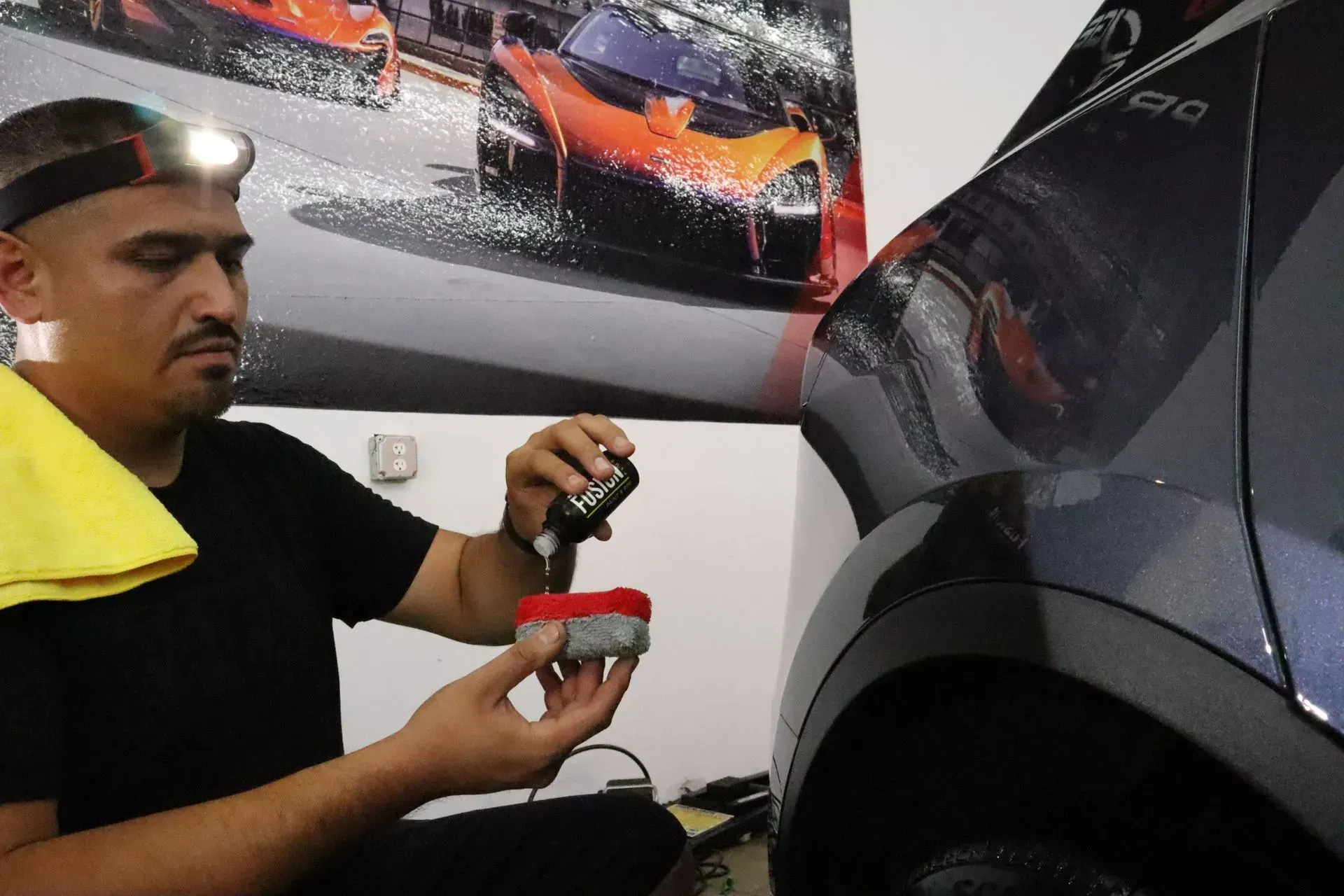
A product formulated specifically for use on ceramic-coated surfaces is the right tool here. Ask your installing shop what they use for this. At Prestige Pro Care, we're happy to point customers in the right direction based on their specific coating. Using a product not confirmed as safe for your coating is where things can go sideways, so this isn't a situation to guess on.
What to avoid:
- Abrasive products. Anything with polishing compounds can thin the coating. That's the opposite of what you're trying to do.
- Household cleaners or products not made for vehicle surfaces. These can work against the coating's properties.
- Aggressive scrubbing. Mechanical pressure with the wrong product is how coatings get damaged during spot removal.
After removal: A quick check in good lighting confirms whether the coating looks consistent. If the area looks different from surrounding panels, bring it to a professional.
When to Bring It to a Professional
Some water spot situations are worth bringing to a shop rather than handling at home. Here's when that makes sense:
- The spots have been sitting for a long time and aren't responding to gentle removal attempts.
- There are spots across multiple large panels rather than isolated areas.
- After removal, the area looks visually different from the rest of the coating.
- You're not confident in what product to use and don't want to guess.
At Prestige Pro Care, we assess coating condition as part of any maintenance visit. If spots are part of a pattern of reduced hydrophobic performance, a maintenance treatment may make sense at the same time.
Come Talk to Us
If you're dealing with persistent water spots on your coated car and you're not sure how to handle them, the easiest first step is a conversation. At Prestige Pro Care, we'll take a look at what's happening on the surface and give you a straight answer on what it needs.
We offer ceramic coating services, paint correction when the surface needs attention before any treatment, and full detailing for owners who want a thorough refresh. Check what our San Dimas area customers are saying on our reviews page, and when you're ready, reach out to us to set up a time.
Frequently Asked Questions
Does ceramic coating prevent water spots entirely?
No, and it's worth understanding why. Ceramic coating minimizes water spots by creating a hydrophobic surface where water beads up and rolls off rather than spreading flat. When water leaves before it evaporates, it doesn't leave mineral deposits behind. But water that sits long enough on any surface will still leave residue when it dries. The coating slows and reduces spotting significantly. It doesn't eliminate the possibility entirely.
Is it normal to find water spots on a ceramic-coated car?
Yes. Removing water spots from ceramic coating is something most coated car owners will deal with at some point. Spots don't indicate a failed coating or a bad installation. They indicate that water stayed on the surface long enough to evaporate. The coating is doing its job by making those deposits easier to address than they would be on uncoated paint.
Can water spots damage the ceramic coating?
Light, fresh deposits sitting on the coating surface are generally a surface issue and don't affect the coating's integrity when addressed properly. Deposits that sit for extended periods in direct sun can bond more firmly to the coating surface and become harder to remove without abrasive methods. That's why addressing spots early and with appropriate products is worth the effort. The coating itself is not fragile, but aggressive removal attempts are where damage can occur.
What should I use to remove water spots from a ceramic-coated car?
For light deposits, a damp, soft cloth on a moist surface often handles the job without any product at all. For more stubborn spots, use a product specifically formulated and confirmed safe for ceramic-coated vehicles. Check with your installing shop before using anything you're not certain about. Using abrasive products, polishing compounds, or household cleaners on a coated surface is likely to cause more harm than the spots themselves.
Should I be drying my car after every rinse to prevent spots?
Yes, drying after every rinse is one of the most practical habits a coated car owner can build. Water left to air dry, particularly in direct sun, is a reliable way to end up with spots on any coated surface. Drying the vehicle removes the water before it has a chance to evaporate and leave mineral deposits behind.