This is one of the most honest questions a used car owner can ask. You've just bought a pre-owned vehicle, you want to take care of it, and someone mentions ceramic coating for used cars as a way to protect the paint. But your vehicle has already lived a life. So does ceramic coating still make sense?
The honest answer depends on the paint condition, not the age or mileage of the vehicle. Some used cars are excellent candidates. Some need work first. And some have paint that is too far gone for coating to be the right investment. At Prestige Pro Care in San Dimas, CA, we see all three situations regularly. Here's how we think through it.
What Ceramic Coating Actually Does
Before talking about used cars specifically, it helps to be clear on what ceramic coating is and what it isn't. A lot of people come in with an impression of ceramic coating that doesn't quite match reality, and that affects the decision they make.
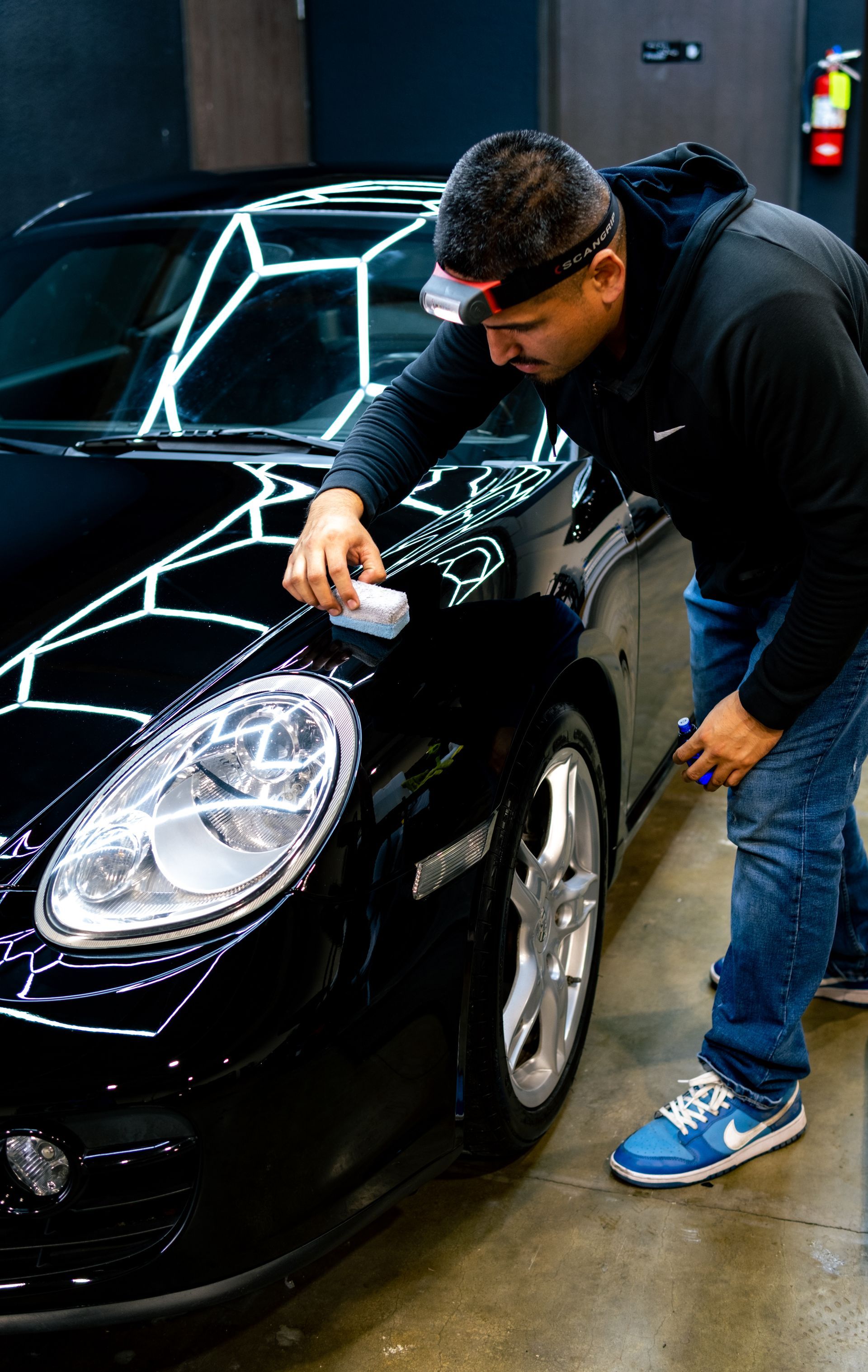
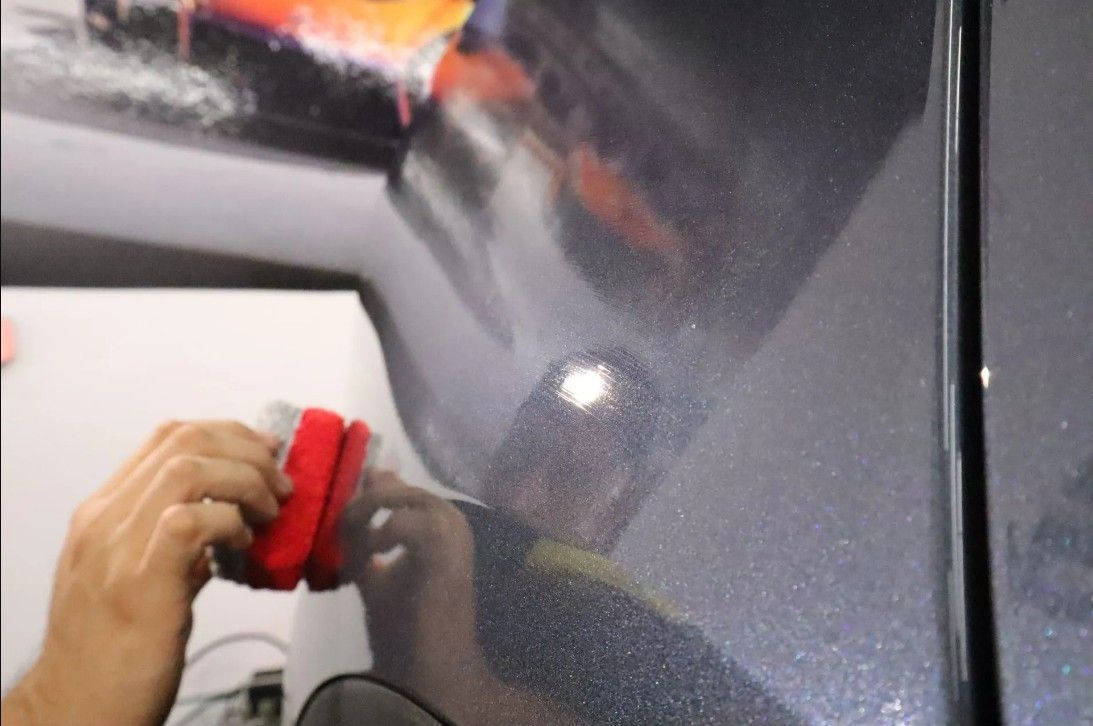
What ceramic coating does: It bonds to your vehicle's clear coat using nanotechnology, forming a semi-permanent protective layer. Once cured, it creates a hydrophobic surface where water, dirt, and contaminants bead up and roll off. It protects against UV rays that fade paint and break down the clear coat over time, and it reduces how often the vehicle needs cleaning.
What ceramic coating does not do: It does not fix existing paint problems. At Prestige Pro Care, this is something we're direct about: ceramic coatings cannot eliminate pre-existing surface defects. The gloss a coating creates can actually make existing surface issues more visible. This is why paint assessment matters before anything else.
The Three Types of Used Car Paint
When we look at a used vehicle before a coating job, the paint usually falls into one of three categories. Understanding which one your car falls into changes everything.
Category 1 - Paint that's in good shape with minor surface wear
This is the best candidate for ceramic coating for used cars. The clear coat is intact. The paint has depth and color. There might be some light surface marks from normal use, minor swirl patterns from previous cleaning, or slight fading in one or two areas. But the foundation is solid.
For a vehicle in this category, paint correction handles the surface wear, and then the coating goes on over paint that's been brought back to a genuinely good condition. The coating then protects that result and holds it there. This is exactly the kind of job we do regularly at Prestige Pro Care, and it's genuinely worth the investment for owners who plan to keep the vehicle.
Category 2 - Paint that needs real correction before anything else
Some used cars come in with more significant surface wear. Heavy swirl patterns throughout. Oxidation starting to develop on horizontal surfaces. Fading from years of sun exposure in a climate like Southern California. Contamination that has bonded to the clear coat.
This paint is still a viable candidate, but it needs more thorough paint correction first. At Prestige Pro Care, correction is always done before coating, matched to what the paint actually needs. The prep takes more work in this case, and that should factor into your decision. If you plan to keep the vehicle for years, it makes sense. If you're not sure, that's worth discussing before you commit.
Category 3 - Paint that's too far gone for coating to be the right answer
Some vehicles come in with paint past the point where coating makes sense. Clear coat that has failed in large sections. Deep oxidation that can't be corrected to a reasonable finish. Damage that goes beyond what correction can address.
Coating is not the answer here. Ceramic coating locks in whatever condition the paint is in when it goes on. If that condition is severely degraded, you're locking in degraded paint. For these vehicles, an honest assessment of what the paint actually needs has to come before any protective investment.
Why Used Cars Need More Prep Than New Ones
A new car has paint that has never been exposed to the elements. A used car has dealt with years of UV exposure, environmental contaminants, previous cleaning habits, and road use. The prep work for a used vehicle is typically more involved than for a new one.
- UV exposure begins to degrade the clear coat even before visible damage appears
- Contaminants, including road grime, bird droppings, and tree sap, bond to the surface over time
- Previous cleaning may have introduced swirl patterns, depending on how the car was maintained
None of this means that used car paint can't reach a good condition. It often can. It just means assessment and prep take more attention. At Prestige Pro Care, every coating job starts with a thorough paint inspection before any recommendation is made.
How to Tell If Your Used Car Is a Good Candidate
You don't need to be a paint expert. Here are a few things to look at before calling a shop:
- Check horizontal surfaces in good lighting. The hood, roof, and trunk lid take the most UV exposure. Faded, chalky, or rough-feeling paint in these areas suggests oxidation that needs correction.
- Look at the paint from a low angle in sunlight. Swirl patterns are most visible here. Some is normal. Heavy swirling throughout means the paint needs attention before coating.
- Feel the surface texture with a clean hand. Paint in good condition tends to feel smooth. A rough or gritty texture is a general sign of surface contamination that hasn't been fully removed.
- Check for cloudy, peeling, or lifting clear coat. This points to clear coat failure, which is a more serious issue than surface wear.
What you find doesn't rule out coating. It tells you what conversation to have when you bring the car in.
Is the Investment Worth It for a Used Car?
Ceramic coating for used cars makes the most sense when
- You plan to keep the vehicle for several years
- The paint is in decent condition or can be corrected to get there
- You want to reduce maintenance effort over the years you own it
It makes less sense when:
- You're uncertain how long you're keeping the vehicle
- The paint needs significant repair before coating is even viable
There's no single right answer. It depends on your vehicle and your plans for it, which is exactly why a consultation is worth having first.
Come In and Let Us Take a Look
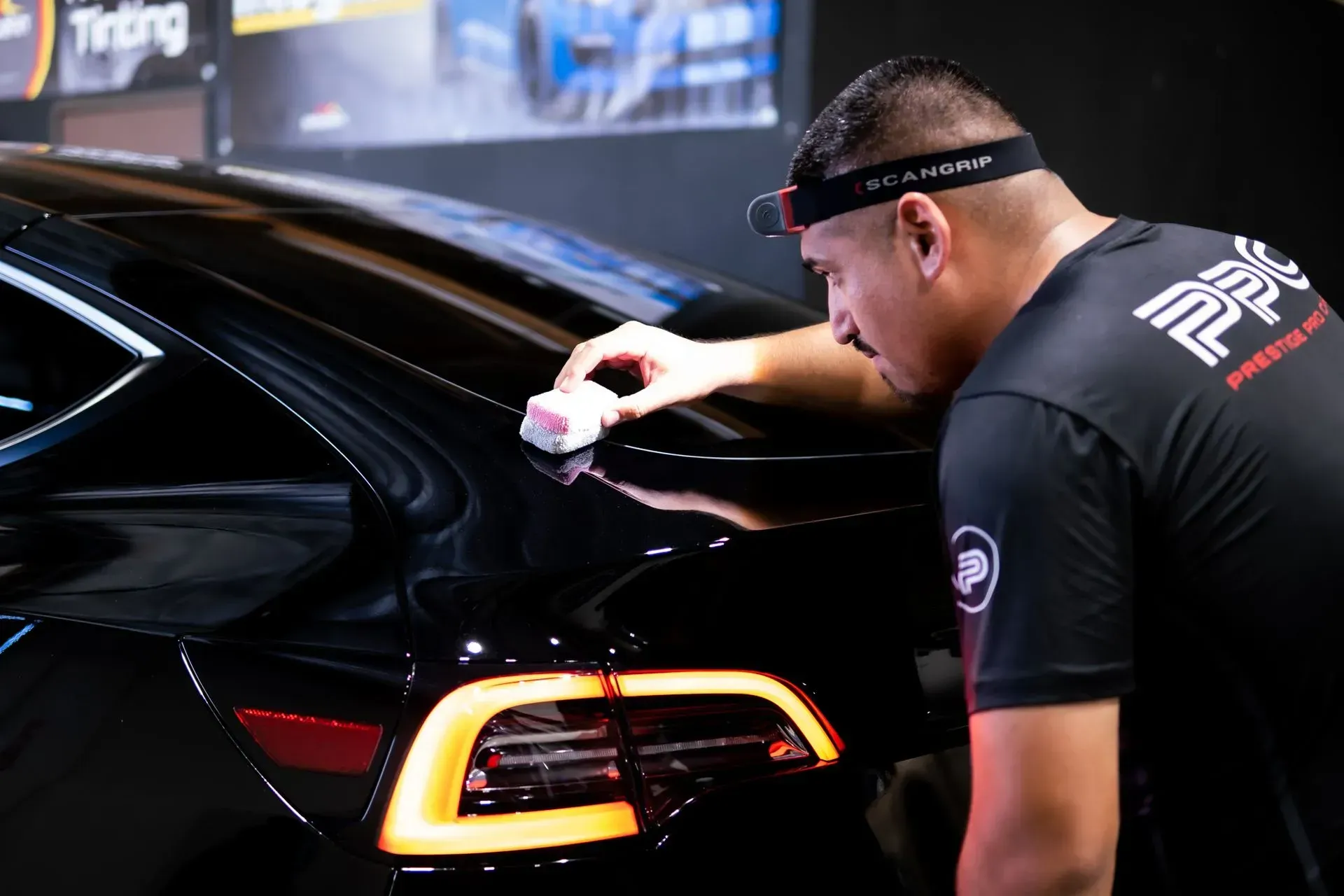
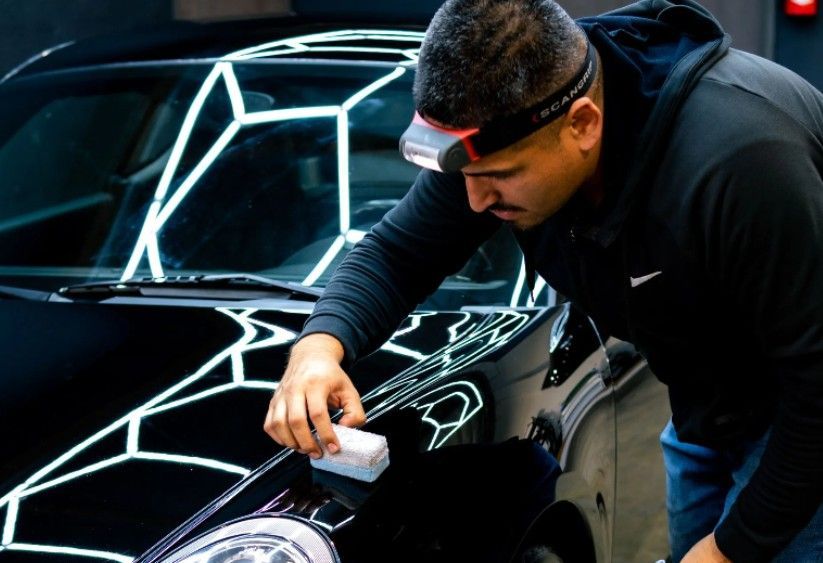
The best way to answer this for your specific vehicle is to have someone who knows paint look at it. At Prestige Pro Care, we assess your paint condition honestly and give you a straight recommendation before you commit to anything.
We offer ceramic coating with paint correction as a standard part of the process, and our team has been doing this work in San Dimas for over 16 years. If you're also considering paint protection film or window tinting, we can cover it all in one conversation. See what customers say on our reviews page, and then contact us to set up a consultation.
Frequently Asked Questions
Is ceramic coating worth it for a used car?
For many used car owners, yes. Ceramic coating for used cars makes the most sense when the paint is in good condition or can be corrected and when you plan to keep the vehicle for several years. It protects what you have and reduces maintenance effort over time. The key is an honest paint assessment before committing.
Does a used car need paint correction before ceramic coating?
Almost always, yes. Even paint in relatively good condition typically has surface wear, swirl patterns, or contamination from years of use. At Prestige Pro Care, paint correction is a standard part of the ceramic coating process because the coating bonds to whatever condition the paint is in at the time of application.
Can ceramic coating fix the paint on a used car?
No. Ceramic coating protects paint but does not repair it. It cannot remove surface defects, reverse oxidation, or fix failed clear coat. At Prestige Pro Care, we're direct about this. Existing paint problems need to be addressed through correction first. Applying coating over damaged paint does not improve it and can make surface issues more visible.
What if my used car has heavy paint oxidation?
Whether oxidation can be corrected depends on how deep it has gone. In many cases, professional paint correction can bring the surface back to a condition ready for coating. In more severe cases where the clear coat has failed in large sections, correction alone may not be enough. A paint inspection is the only reliable way to know which situation applies to your vehicle and what the right next step is.
How long will ceramic coating last on a used car?
Longevity depends on prep quality, paint condition going in, how the vehicle is maintained, and the environment it lives in. A used car with properly corrected paint and a professionally applied coating will hold its protective and aesthetic benefits for years. Southern California sun and year-round UV exposure are real factors, which is why the prep work and ongoing maintenance both matter.