What Makes Professional PPF Installation Different From DIY and Low-Quality Shops?
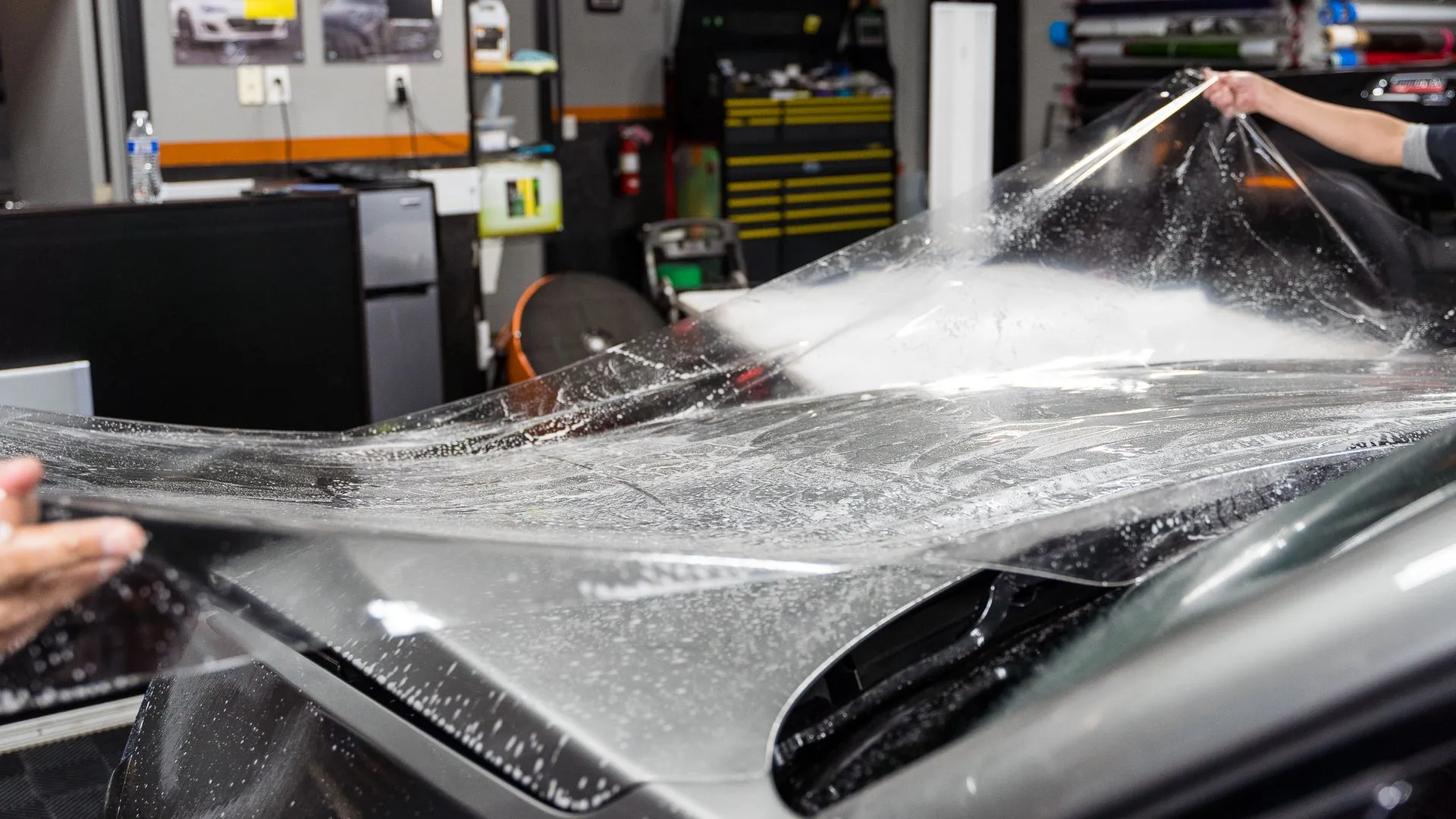
There's a version of paint protection film that works and a version that doesn't. The film itself isn't where that difference lives. It lives in how the job gets done. Professional PPF installation is a multi-step process built around preparation, precision, and conditions that produce a result no kit and no shortcut can replicate.
If you've looked at DIY options or wondered why quotes vary so much between shops, the answer lies in what each approach actually involves. Some of it is visible. Some of it happens before the film ever touches your vehicle.
At Prestige Pro Care in San Dimas, CA, we've been doing this for over 16 years. Here's what the process actually looks like and why it holds up over time.
Why Professional PPF Installation Starts Long Before the Film
Most people picture film installation as the act of applying film. In practice, the application is the last step in a sequence that begins with a thorough paint inspection and a controlled preparation environment.
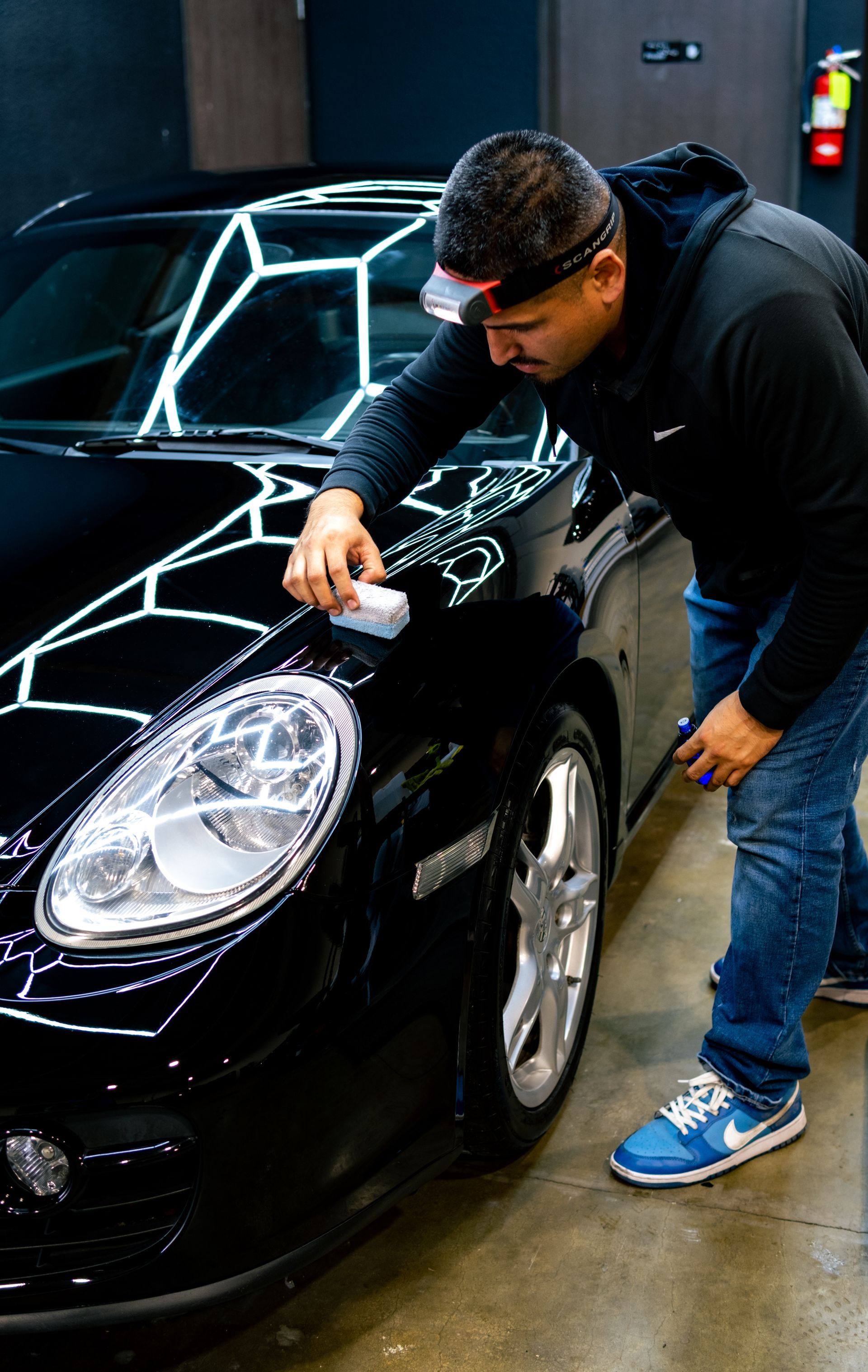
When a vehicle arrives, the first thing we do is assess the paint. Every panel gets inspected under proper lighting for surface defects, contamination, swirl patterns, and anything that needs to be addressed before film goes on. Paint protection film locks in whatever the surface looks like at installation. Existing surface issues stay visible under the film and won't improve over time.
When
paint correction is needed, it happens first. The film then protects paint in the best condition possible, not paint with pre-existing problems sealed underneath.
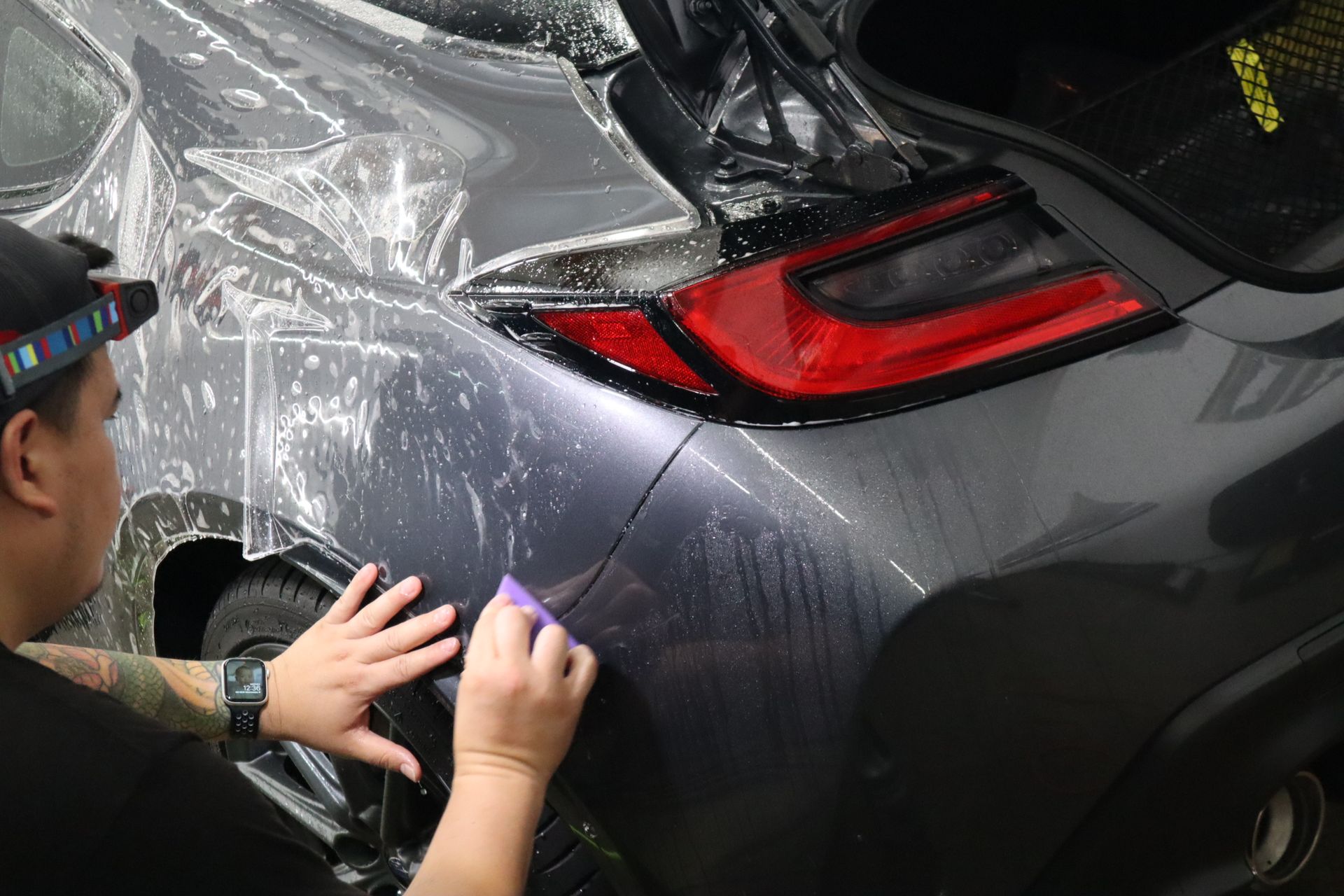
Paint Inspection and Surface Preparation
Surface preparation is where professional installations separate from everything else. A clean, properly decontaminated surface is what allows the film's adhesive to bond correctly. Any contamination left on the paint at the time of application creates weak points in the bond that show up later as lifting edges, bubbling, or poor adhesion in specific areas.
Professional preparation includes:
- A thorough inspection under proper lighting to identify surface defects and contamination
- Full paint decontamination to remove bonded surface contaminants that regular cleaning leaves behind
- Any paint correction work on surface marks or imperfections before the film goes on
- A final surface wipe to ensure the application area is free of anything that would interfere with adhesion
Each of these steps serves the bond. Skip one and the film's long-term performance is compromised from the start. DIY kits and low-quality installations routinely skip most of them.
Pattern Precision: Why Fit Matters
Professional PPF installation uses computer-cut patterns that are matched to your vehicle's exact make, model, and year. These patterns are developed to fit the specific panel dimensions, contours, and body lines of each vehicle. When the pattern is right, the film covers the painted surface correctly, wraps at edges cleanly, and doesn't leave exposed paint where protection matters most.
At our shop, both computer-cut and custom hand-cut paint protection film installations are offered depending on the vehicle and coverage. When a vehicle's body lines or panel shapes require it, hand-cut installation by an experienced technician produces the precision that computer patterns alone do not always match.
What pattern accuracy prevents:
- Gaps that leave paint unprotected on edges and corners
- Oversize cuts that require trimming on the vehicle, which increases the risk of visible lines near panel edges
- Misaligned coverage that becomes visible at certain angles
- Sections of film that don't lay flat because the pattern wasn't suited to that specific panel shape
A pattern built for your vehicle isn't a convenience. It's a prerequisite for a result that actually looks right.
Contamination Control During Installation
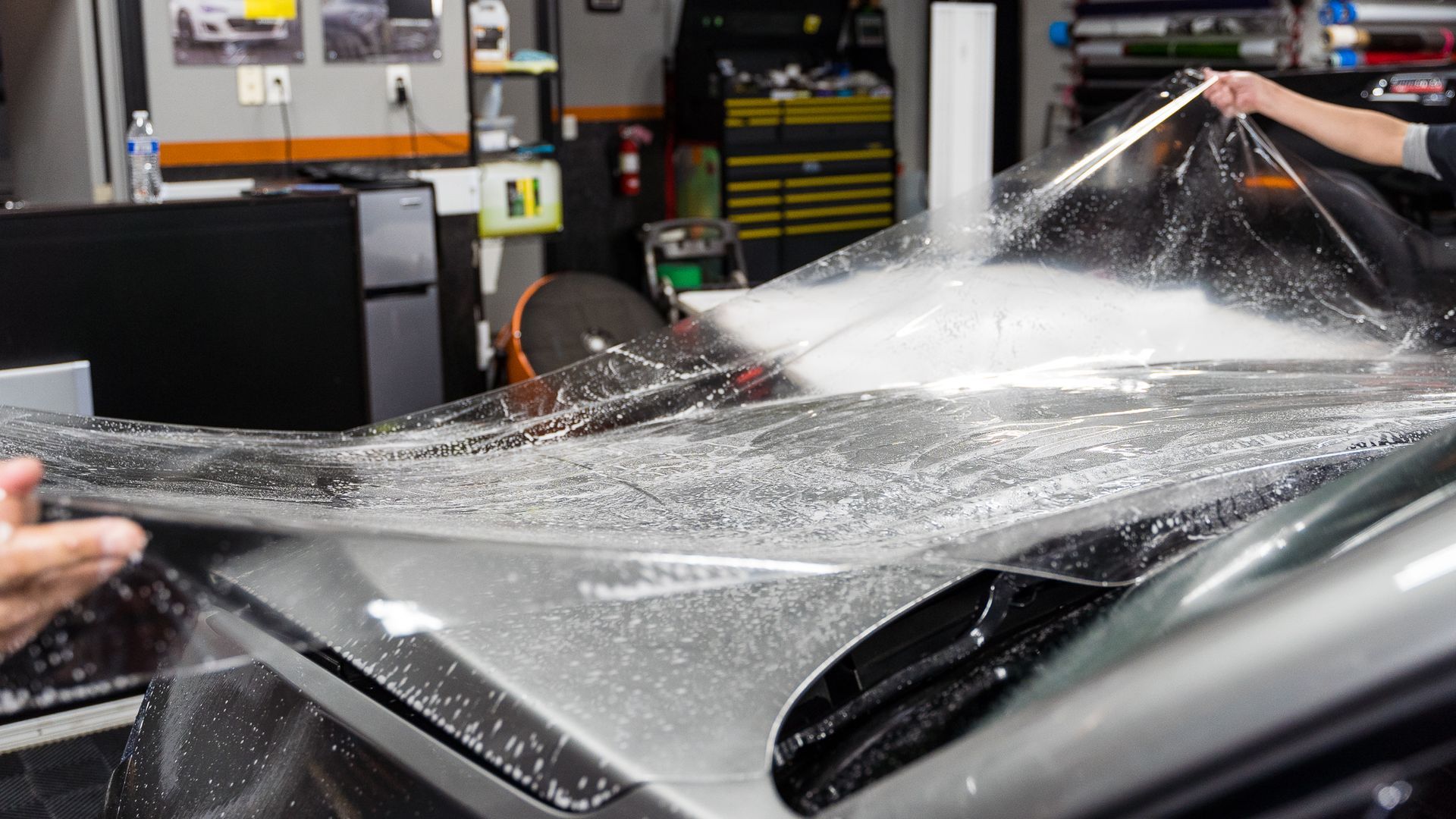
One of the less obvious aspects of professional PPF installation is the environment it happens in. Film application is sensitive to airborne dust, temperature, humidity, and surface temperature. A particle that settles on the film or on the paint surface during application gets trapped under the film permanently.
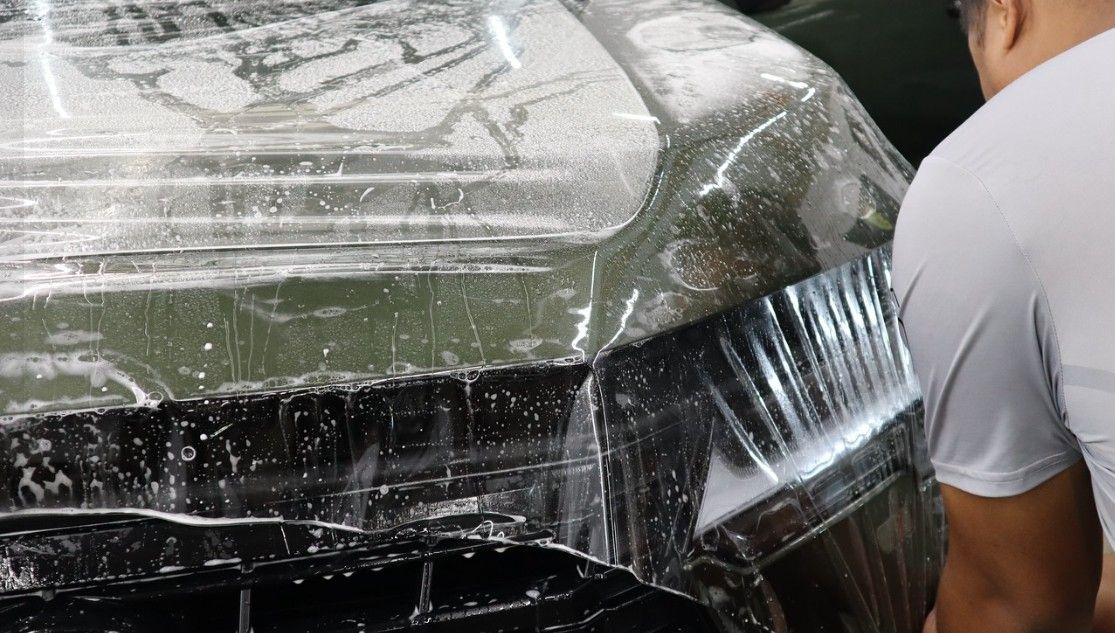
Professional shops control the installation environment deliberately. The workspace is kept clean and separated from operations that generate dust or particulates. Film positioning happens in stages that allow adjustment before the adhesive seats, which prevents premature bonding in the wrong position.
None of this is possible with a DIY kit applied in a driveway or garage without controlled conditions. The result speaks for itself within a few months when dust particles trapped under the film become visible and the adhesive bond at the edges starts to fail.
Edge Finishing and the Details That Define Quality
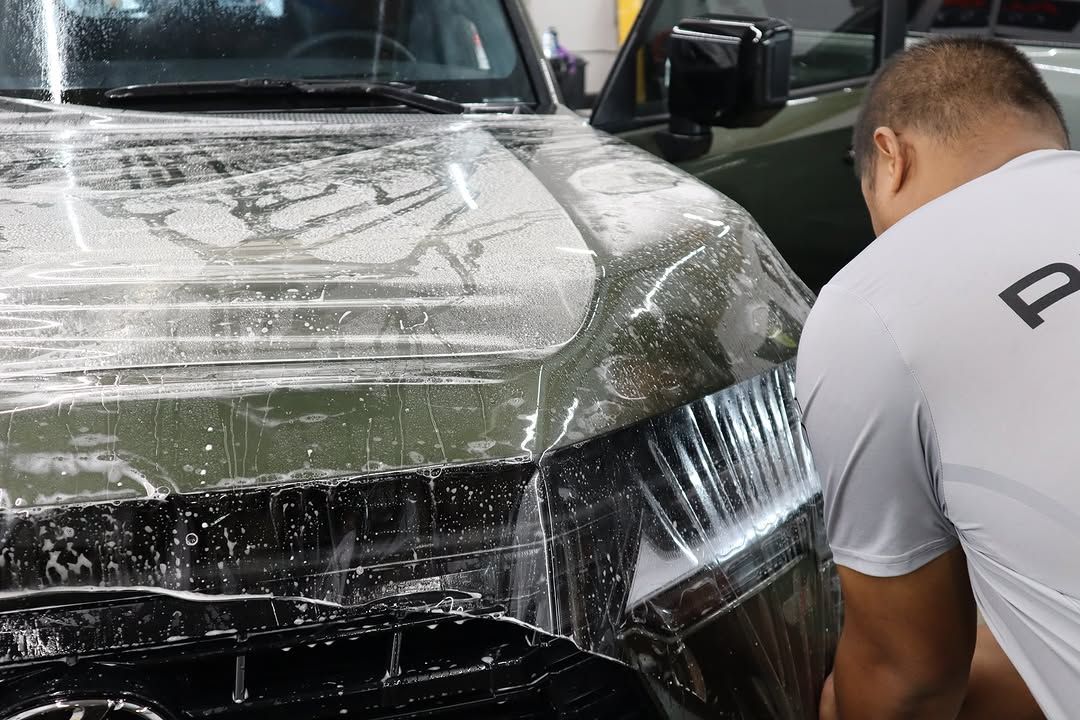
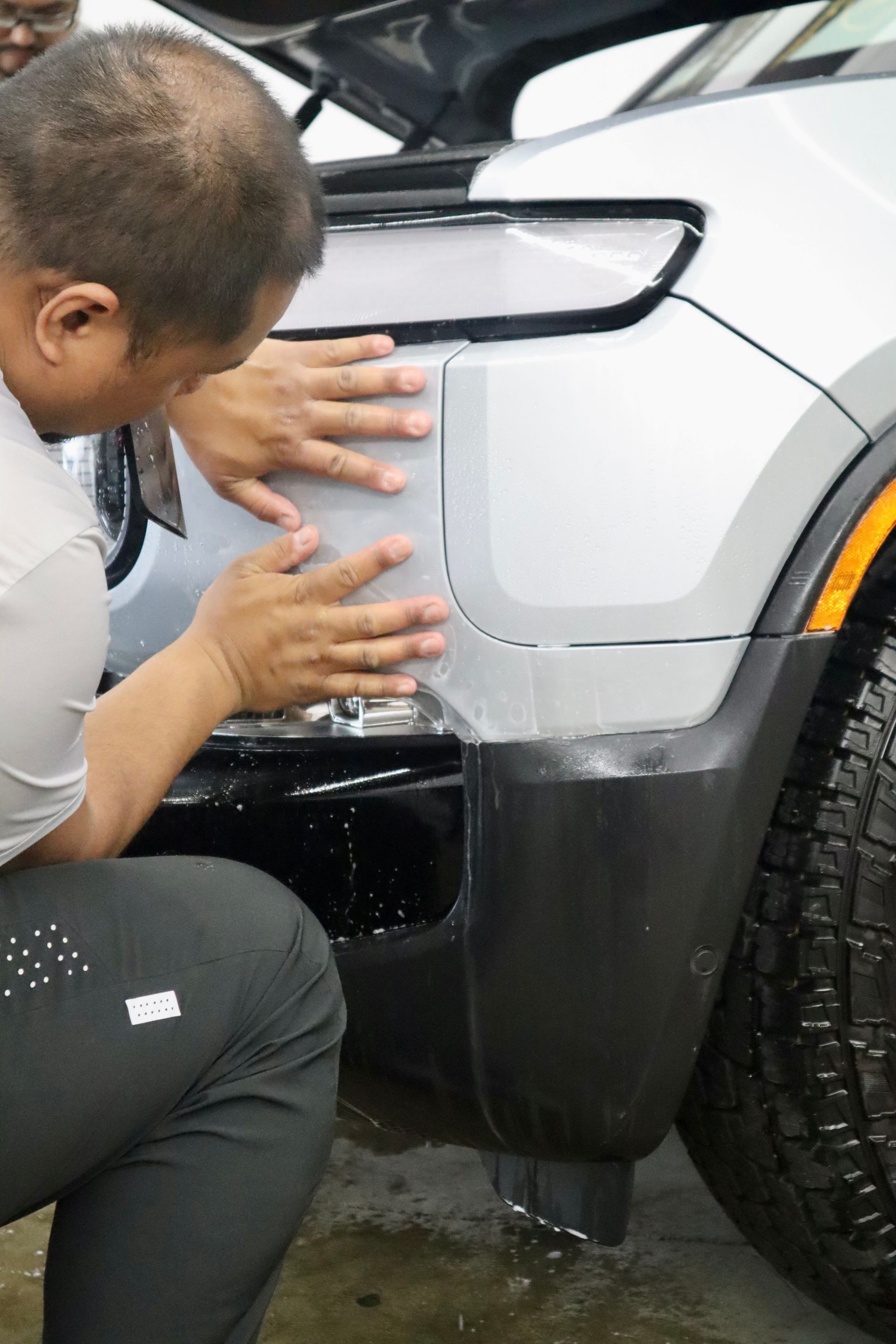
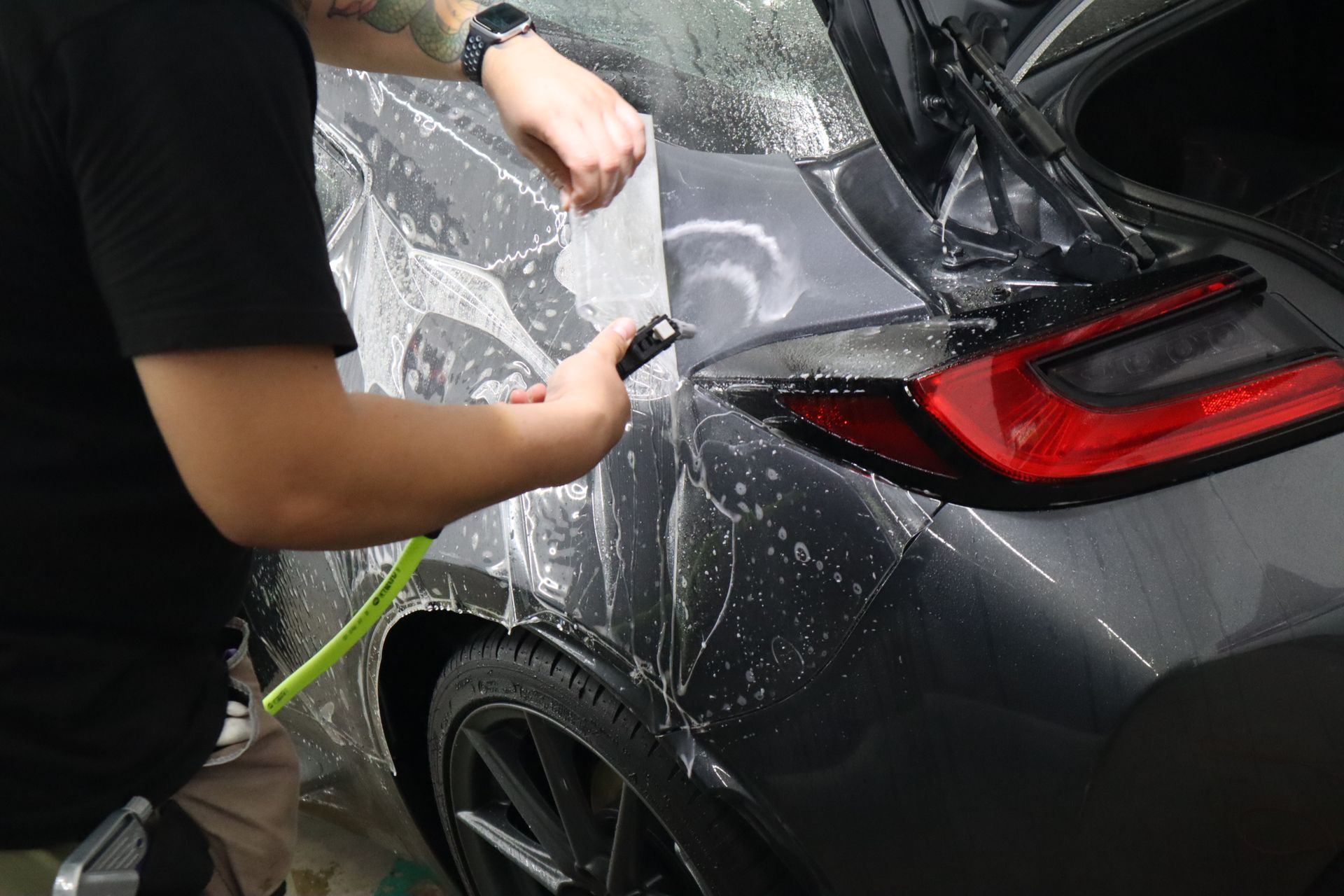
Edge finishing is where most people can tell a professional installation from an amateur one, even without knowing anything about the process. Clean, consistent edges that wrap fully around panel edges and into panel openings without lifting, bubbling, or visible lines are a craftsmanship outcome. They don't happen accidentally.
Professional edge work involves:
- Wrapping film around panel edges rather than cutting at the paint surface
- Using heat to conform the film to curves and compound angles without stress marks or lifting
- Finishing door edges and panel openings so the adhesive stays protected from moisture and debris
- Applying consistent pressure across the full panel to seat the adhesive evenly
Film that's trimmed at the paint surface instead of wrapped at the edge has an exposed line that catches contaminants, lifts over time, and creates a visible seam. On a vehicle driven in San Dimas and across Southern California, where heat cycles are consistent and UV exposure is year-round, that exposed edge will fail noticeably faster than one wrapped correctly.
The Quality Inspection Before Delivery
A professional installation doesn't end when the last panel is covered. At Prestige Pro Care, every completed job goes through a final inspection before the vehicle is returned. This involves checking every panel under proper lighting for bubbles, contamination under the film, edge consistency, and alignment across the coverage area.
Anything that doesn't meet the standard gets addressed before the vehicle leaves. That inspection step is part of what a professional installation includes. It's also what a rushed or inexperienced installation skips.
How Installation Quality Connects to Long-Term Value
The reason professional PPF installation matters isn't just appearance. It connects directly to how the film performs over time and to how well the paint holds up when it counts, whether that's years of ownership or the day you decide to sell.
Film installed on a properly prepared surface with correct patterns and clean edge work holds its bond. The self-healing topcoat works as it should, the hydrophobic surface stays consistent, and the factory paint is protected through years of road use. When the film is eventually removed, the paint underneath is in the same condition it was in when the film went on.
Film installed without proper prep starts failing in visible ways. Lifting edges let moisture reach the paint. Contamination trapped under the film stays visible. Sections that didn't bond correctly peel over time. Removing a failed installation from improperly prepared paint creates additional complications.
The investment in professional installation is an investment in the film performing the way it's supposed to for the full duration it's in place.
Talk to Us About Your Vehicle
If you're considering paint protection film, the quality of the installation determines everything about the outcome. The team at Prestige Pro Care is happy to walk you through the process, assess your vehicle's current paint condition, and explain exactly what your specific coverage would involve before you commit to anything.
We cover everything from targeted front-end coverage to full vehicle installations, and we pair PPF with ceramic coating for owners who want a complete surface protection approach. When you're ready, contact us to set up a consultation.
Frequently Asked Questions
What does professional PPF installation include that DIY kits don't?
Professional PPF installation includes full paint inspection, surface decontamination, paint correction when needed, computer-cut or custom hand-cut patterns matched to your vehicle, a controlled installation environment, proper edge finishing, and a quality inspection before delivery. DIY kits provide film and standard applicator tools. They don't provide the preparation, pattern precision, environment control, or craftsmanship that determine whether the result holds up.
Does my paint need to be corrected before PPF is applied?
It depends on the condition of your paint at the time of inspection. Paint protection film locks in the surface as it is when the film goes on. Existing swirl patterns, surface marks, or minor defects stay visible under the film. When paint correction is needed before installation, Prestige Pro Care addresses it first so the film preserves paint in the best possible condition rather than sealing in pre-existing issues.
How do computer-cut patterns improve the installation result?
Computer-cut patterns are matched to your vehicle's exact specifications. They cover the painted surface correctly, wrap at edges cleanly, and don't require extensive trimming on the vehicle. When a pattern fits the panel it was cut for, the film lays flat, the edges finish consistently, and the coverage doesn't leave gaps where protection matters. When a vehicle's panel shapes require it, custom hand-cut installation by an experienced technician achieves the same precision.
Why does edge finishing matter so much?
Edges are where film performance is most visible over time. Film cut at the paint surface rather than wrapped around the edge has an exposed adhesive line that collects contaminants, lifts under heat cycles, and eventually peels. In Southern California's year-round sun and heat, improperly finished edges fail faster than they would in cooler conditions. Professional edge work that wraps film fully around panel edges and into panel openings keeps the adhesive protected and the film seated over its full lifespan.
How long does professional PPF installation take?
Installation time depends on coverage area and paint condition. Partial front-end coverage takes less time than a full vehicle installation. When paint correction is needed first, that adds time. At Prestige Pro Care, we give each job the time it actually requires. Proper curing time after installation is also part of the process before the vehicle is ready.