You just brought home a car you really love. Maybe it's a new luxury sedan, or maybe it's the sports car you spent years saving for. Then one day you spot a tiny rock chip on the hood, and your heart sinks a little. That's usually when people start reading up on paint protection.
Pretty soon, the same question shows up. Should you go with paint protection film, or should you get a ceramic coating? Plenty of folks see it as a contest with one clear winner. Honestly, that isn't the best way to look at it.
The real story behind ceramic coating vs PPF is that these two services were never meant to do the same job. One acts as a physical shield against flying debris. The other adds a slick, shiny layer that makes everyday dirt and grime easier to handle. Since they protect your paint in different ways, they pair up really well.
At Prestige Pro Care, our San Dimas shop has focused on auto protection for about 16 years. In this post, we'll go over what each service does, how the two fit together, and why so many owners of high-end cars end up getting both.
What Paint Protection Film Actually Does
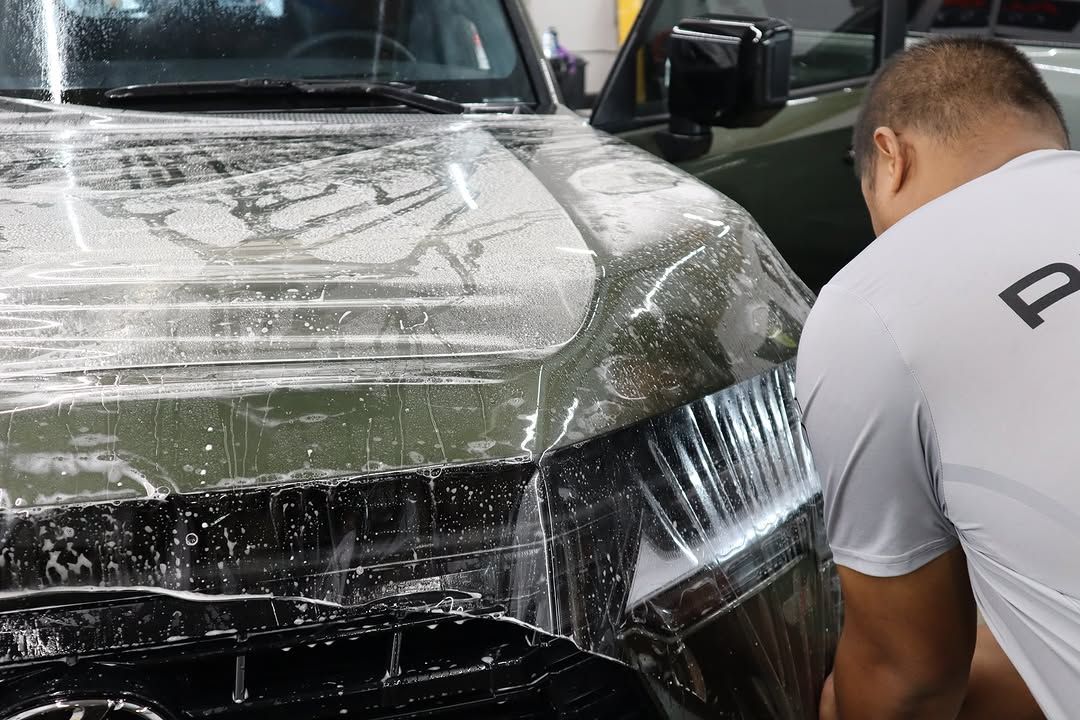
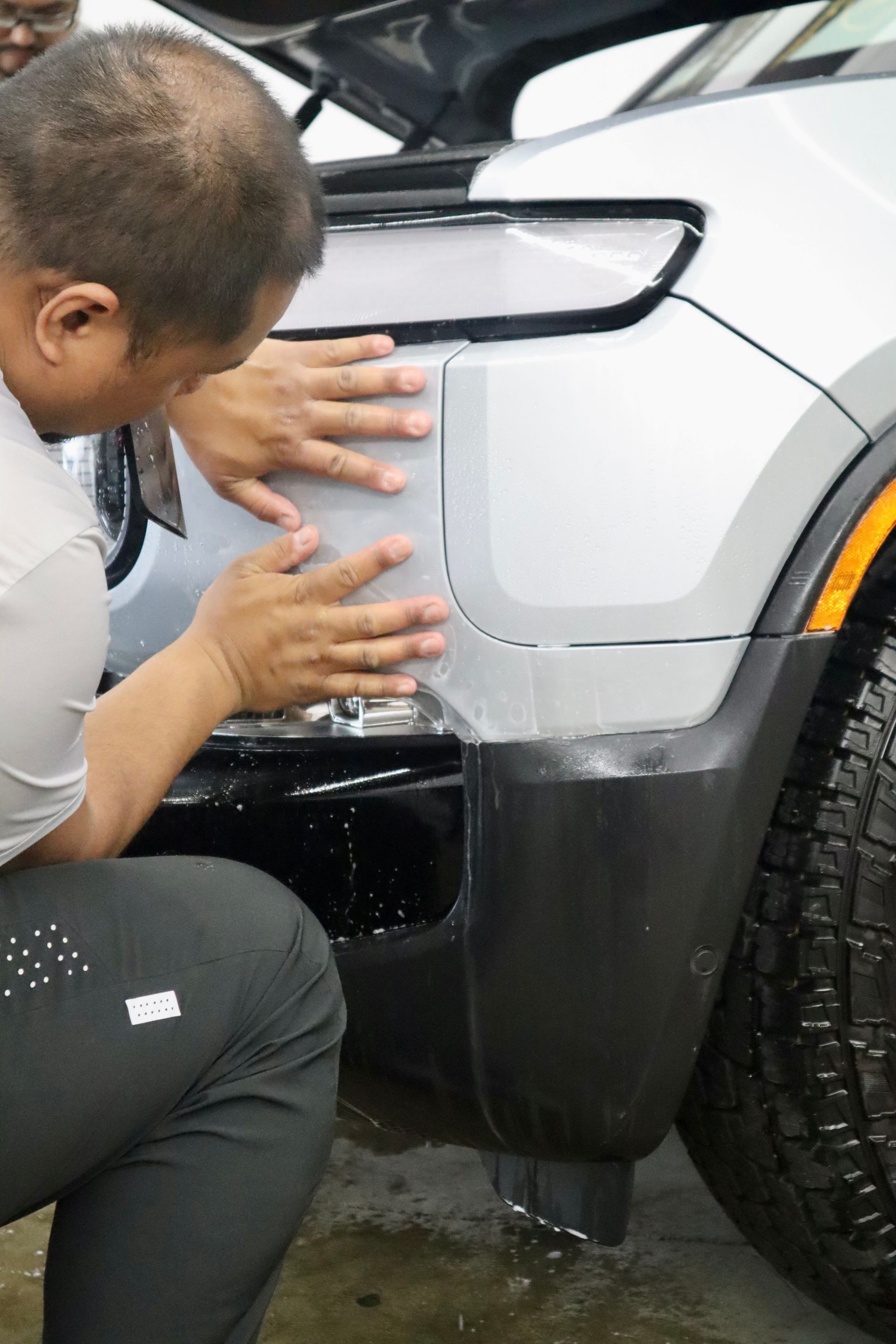
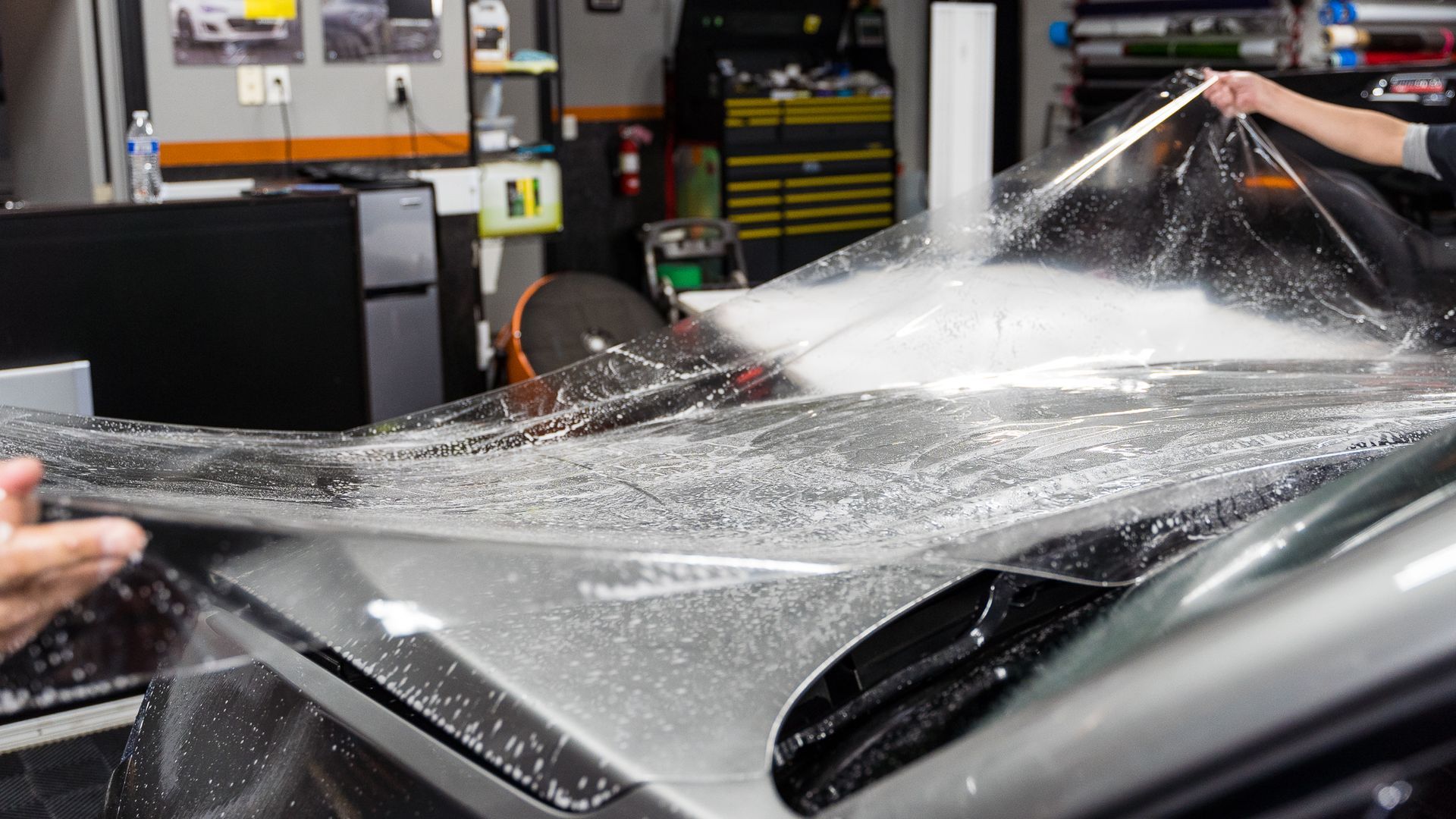
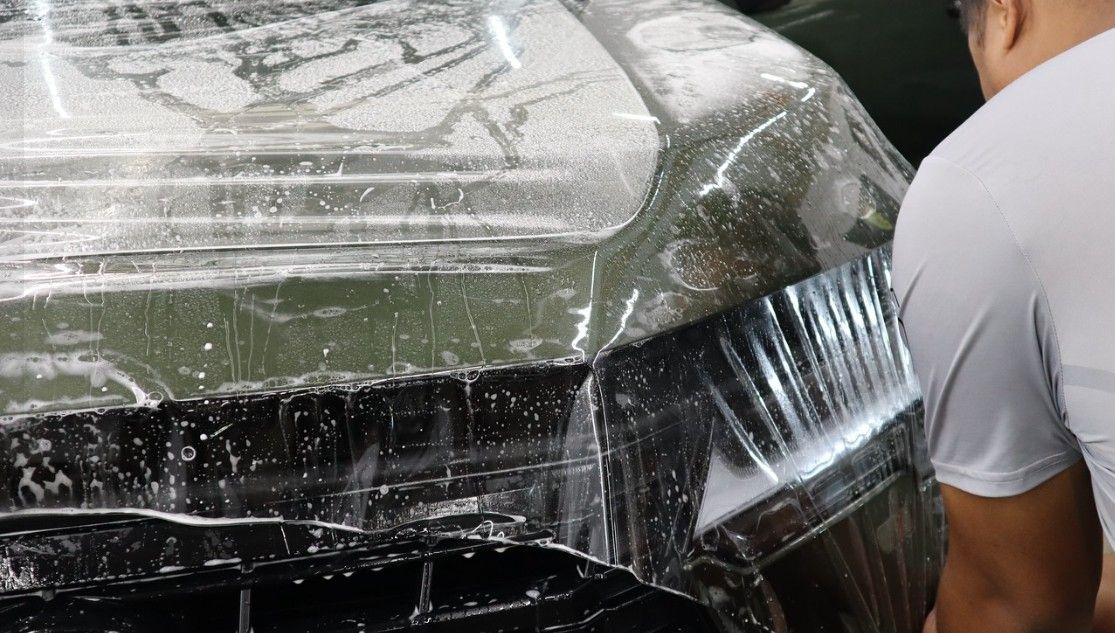
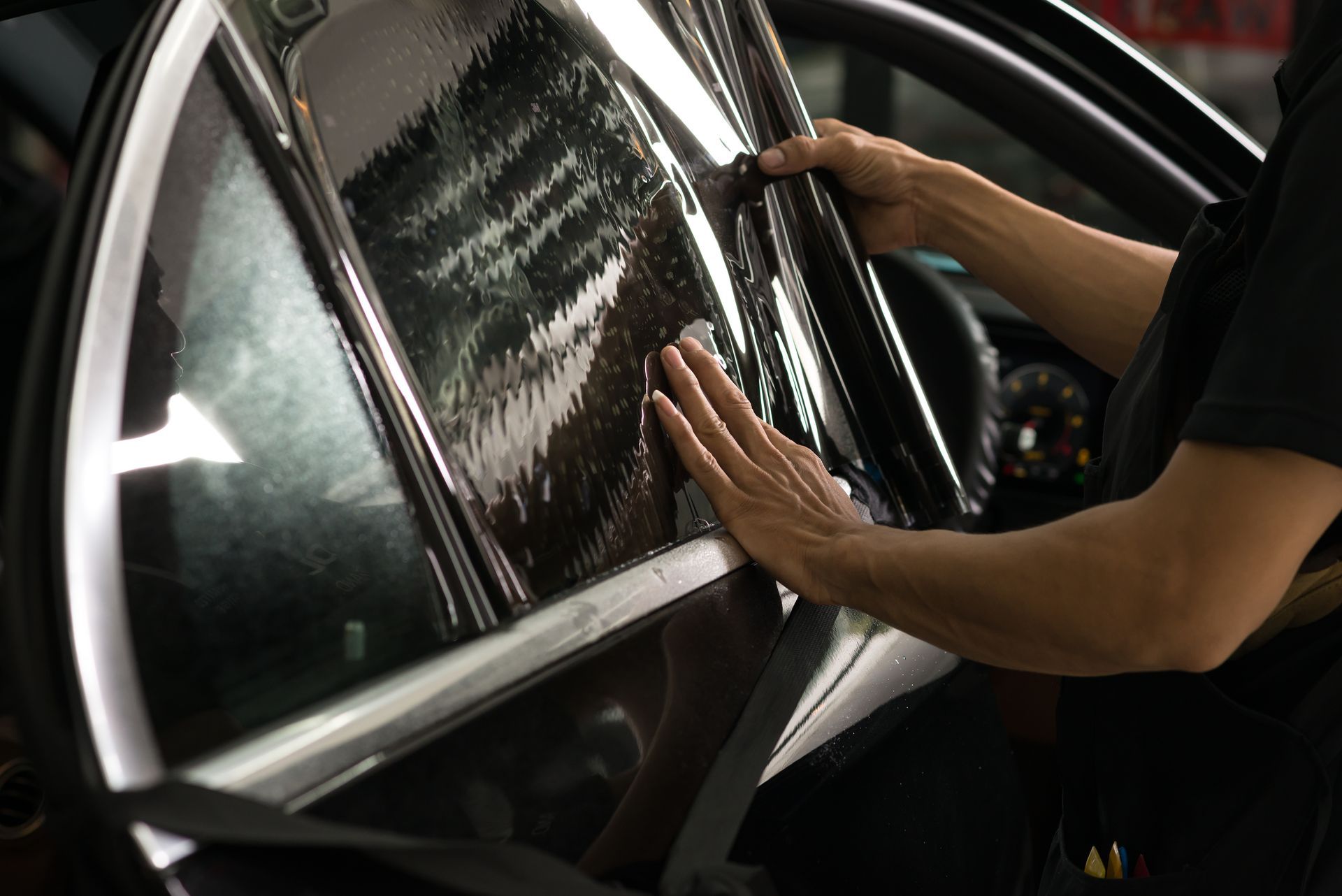
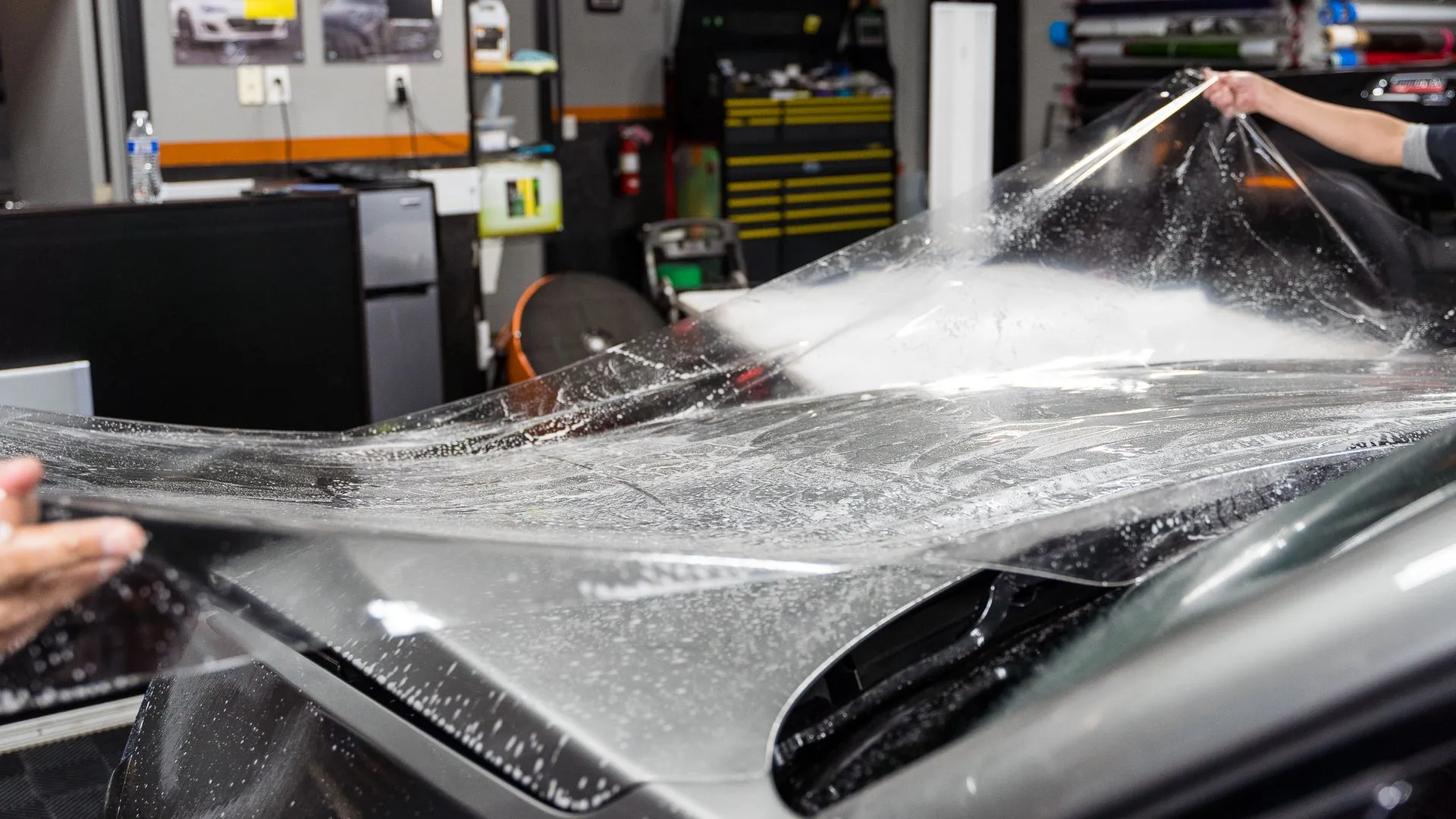
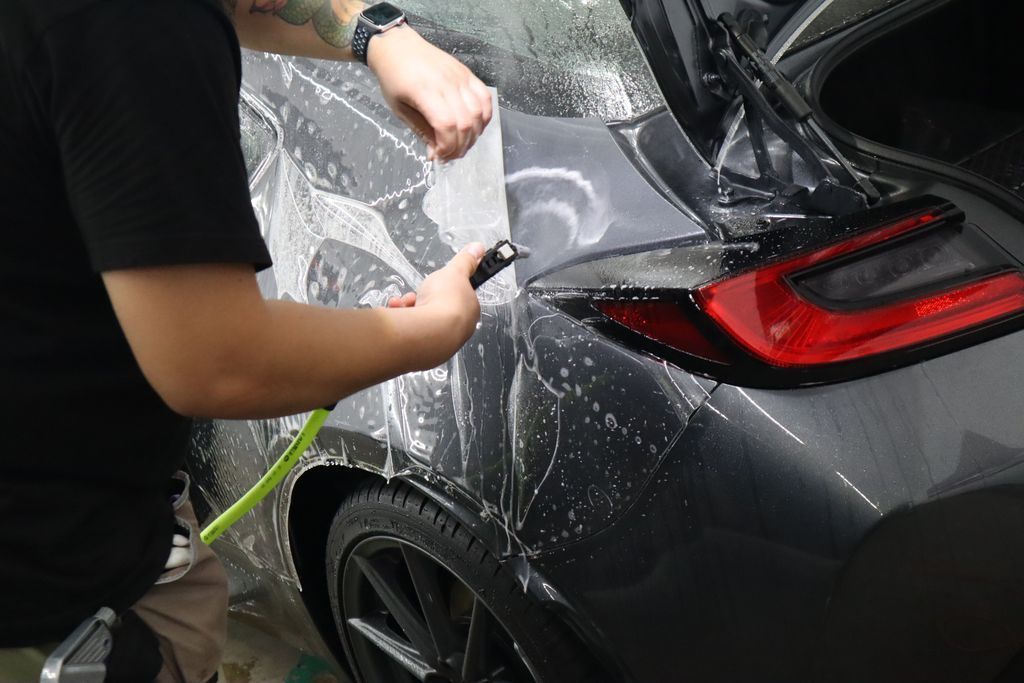
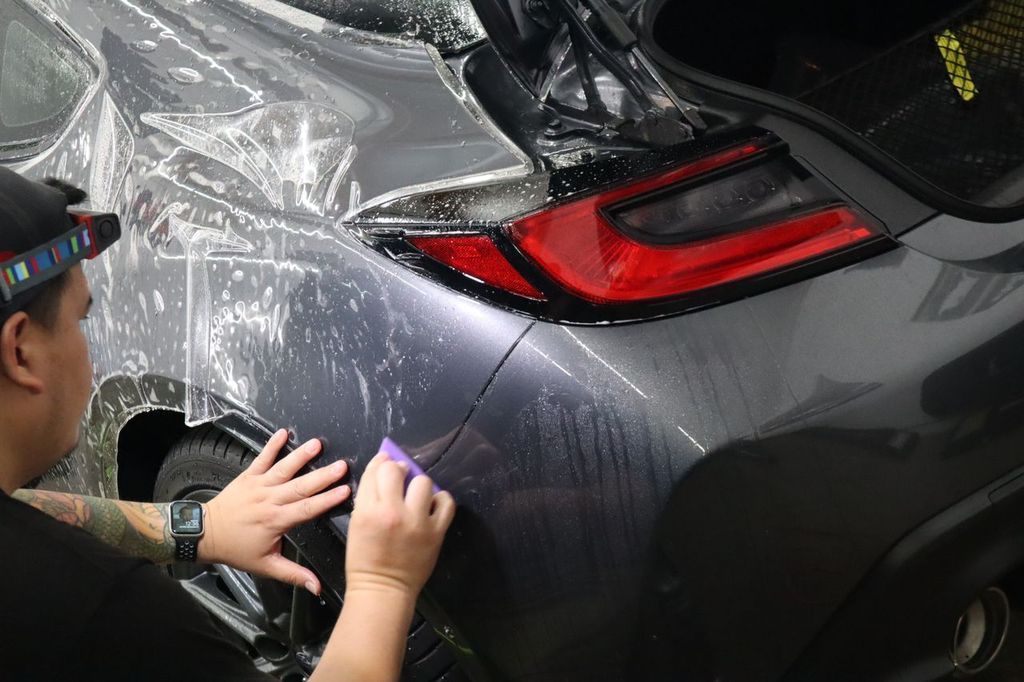
Paint protection film, or PPF, is a clear film that's applied over the painted parts of your car. You can picture it as an invisible sleeve wrapped around the paint.
Since it's a real physical layer, the film soaks up the impact before it ever reaches the paint. Here's what it helps defend against:
- Rock chips from freeway miles
- Gravel and debris tossed up by trucks and other traffic
- Bug splatter and bird droppings landing on the paint
- Light surface marks, since many of today's films can self-heal small blemishes
- Daily wear on spots that get touched or bumped a lot
Many drivers start with the parts of the car that face the road head-on, because that's where most chips tend to land. Our
paint protection film page shares more about how we approach it.
What Ceramic Coating Brings to the Table
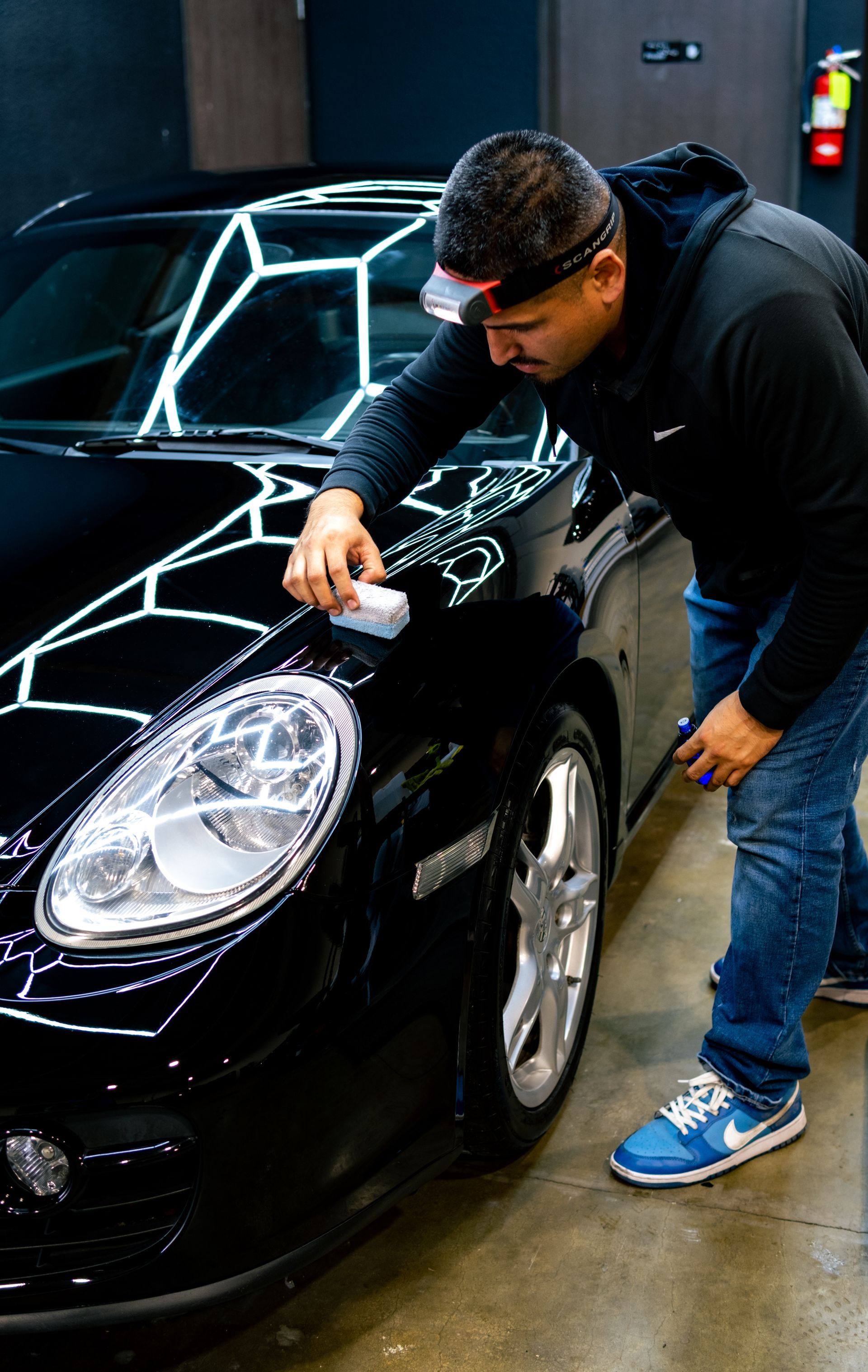
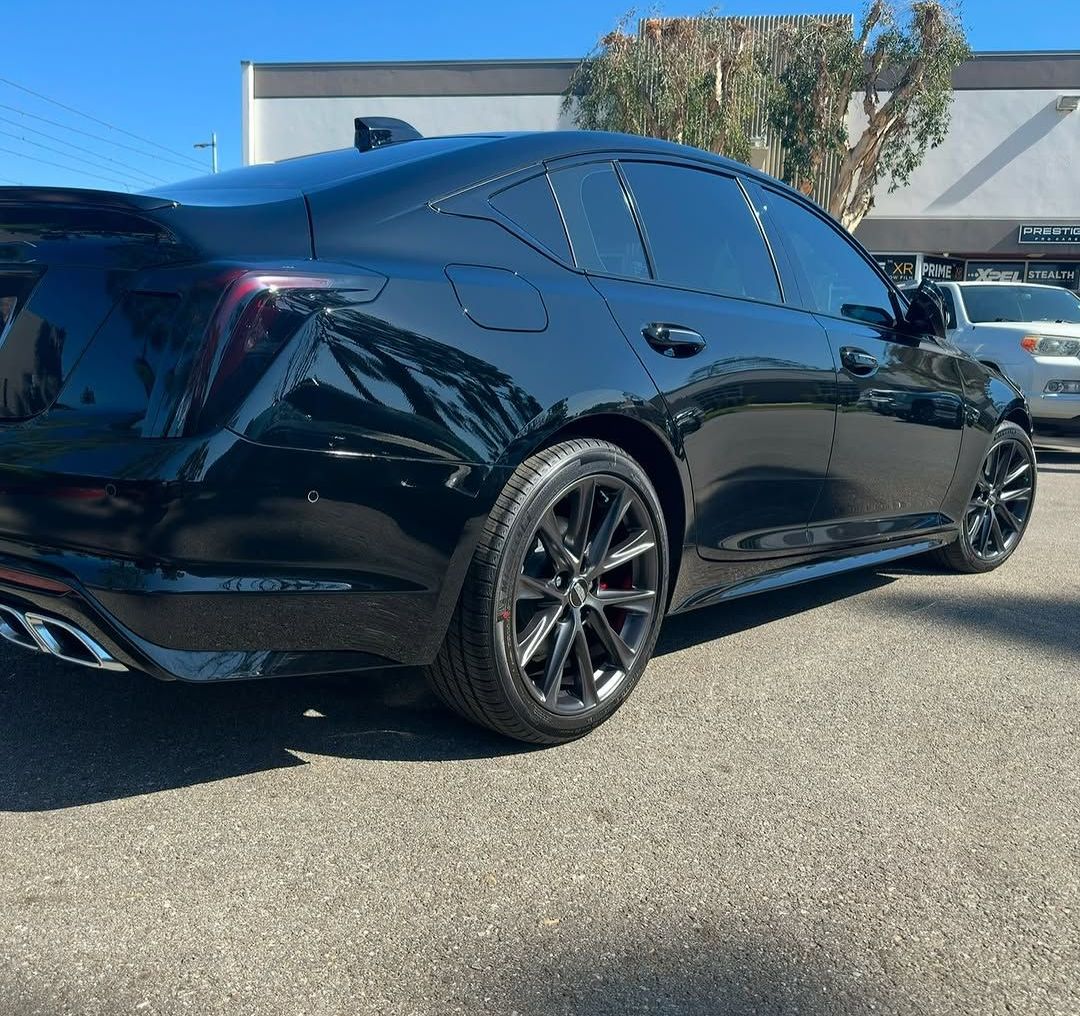
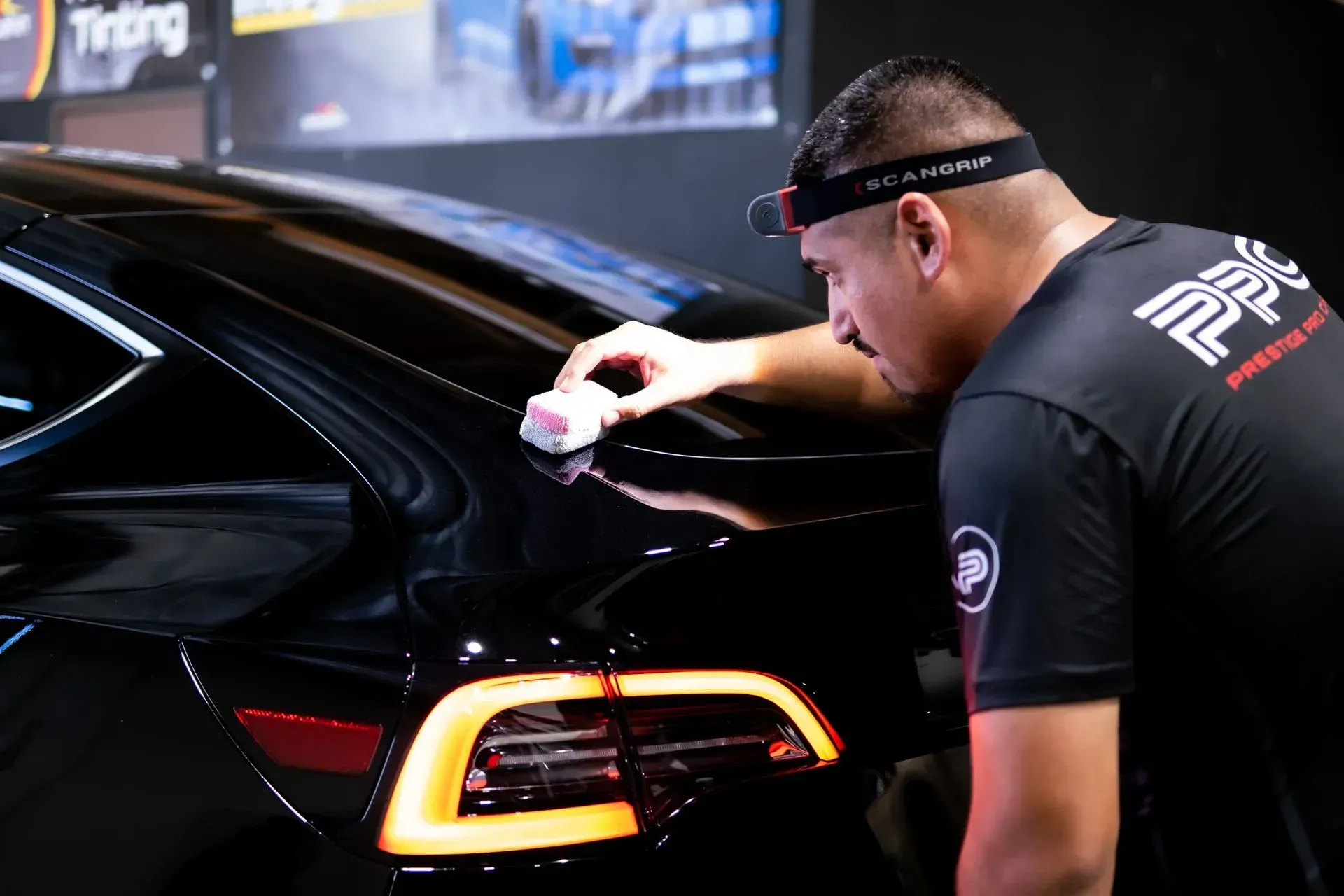
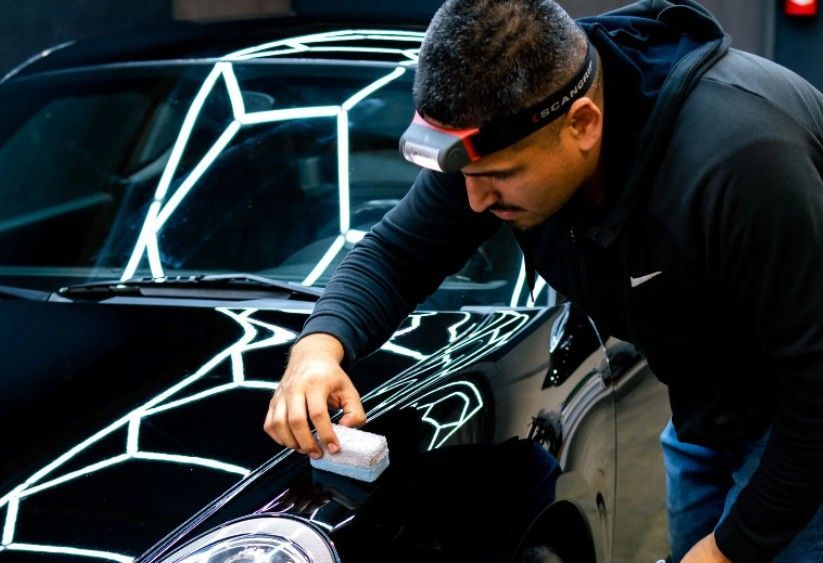
Ceramic coating is a protective layer that goes on top of your paint. It's thin, but it leaves the surface slick, smooth, and glossy.
It isn't a thick barrier like PPF. Its main job is keeping the finish clean and shiny with less effort. Here's what a good coating helps with:
- A deep, glassy shine that makes the color stand out
- Water beading, so rain rolls off instead of sitting there
- Less dust, dirt, and grime clinging to the paint
- Quicker cleanup after a dusty drive or a stormy week
- A finish that's simpler to keep looking fresh
Curious how our coating service works? Our ceramic coating page covers the basics in plain terms.
Ceramic Coating vs PPF: Different Jobs, Same Goal
Here's the easiest way to think about it. Both services protect your paint, but each one handles a different kind of threat.
When people weigh ceramic coating vs PPF, they often expect one to replace the other. So let's look at each side on its own.
Impact Protection Comes From PPF
PPF is the service made for physical hits. Say a pebble flies off a truck on the 57 Freeway and smacks into your hood. The film is what takes that blow.
A coating simply isn't built for that kind of job. It's far too thin to stop a rock. If chips and road rash on the front end are your biggest worry, PPF is the answer.
Surface Protection Comes From Ceramic Coating
Ceramic coating takes care of the everyday stuff. Dust, pollen, and road grime have a harder time sticking to a coated surface.
That means your car tends to stay cleaner between cleanings, and each cleanup takes less work. You also get that wet-looking shine so many owners love. It won't stop a rock chip, but it sure makes daily life with your car easier.
How the Two Work Together
So, can you have both? Yes, and the two actually get along nicely.
A common way to pair them is pretty simple. The film goes on the areas that need impact protection, and the coating goes on top for shine and easier upkeep. Put together, you get:
- Impact protection where the car takes the most hits
- A slick, glossy top layer that helps both the film and the paint look their best
- Easier upkeep, since dirt struggles to cling to a coated surface
- A clean, even look from one panel to the next
Think of a rain jacket worn over a padded vest. The vest softens the bumps, and the jacket keeps water and dirt away. You wouldn't ask one to do the other's job, right? That's really the answer to the ceramic coating vs PPF debate: you don't have to pick just one.
Why Luxury Vehicle Owners Often Choose Both
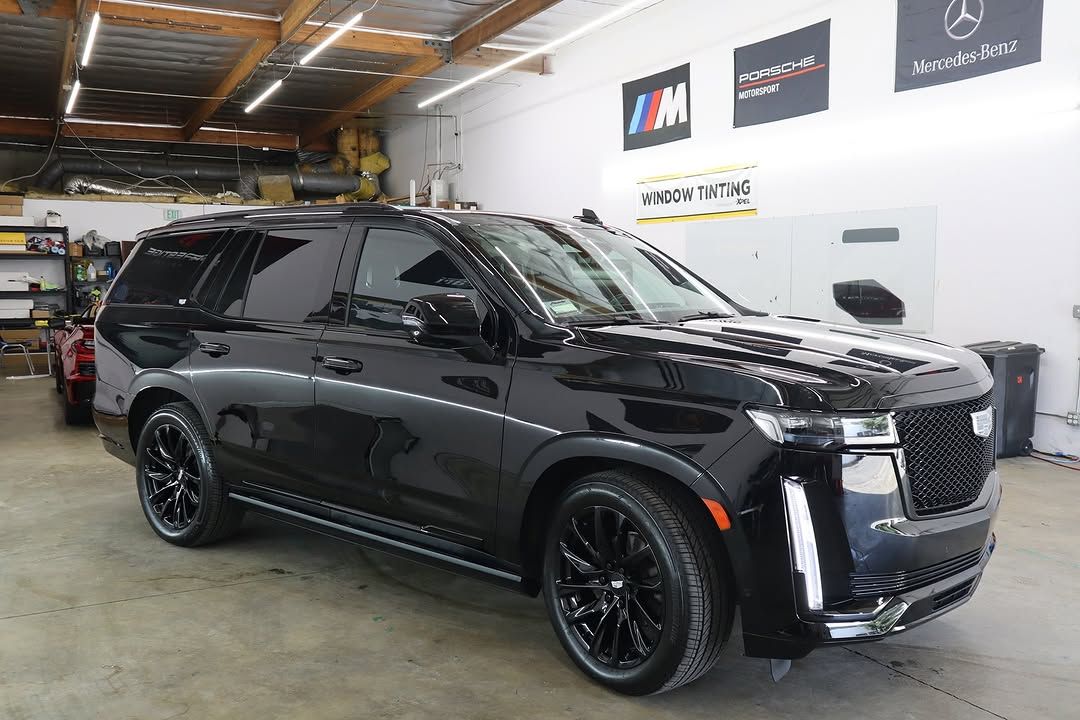
If you drive a high-end car, the paint is a big part of what makes it special. Those deep colors and smooth finishes are worth keeping in great shape.
That's why so many owners of luxury and exotic cars go with both services. Here's what usually shapes that choice:
- They want to keep the original paint as untouched as possible
- They spend lots of time on busy freeways, where loose gravel and debris are part of the drive
- They care about how the car looks parked in the driveway, not just how it holds up on the road
- They'd rather not spend every weekend fussing over cleaning
There's a peace-of-mind side to it, too. When the front end has film and the paint has a coating, you just worry less. You get to enjoy driving the car instead of stressing over every little mark.
Where Paint Correction Fits In
Before film or coating goes on, the paint underneath should be in good shape. Both services lock in whatever is already there, good or bad.
That's why paint correction often becomes part of the plan. It cleans up swirl marks, haze, and other flaws so the finish looks its best before it gets covered. Skipping this step is a little like putting a smudged photo in a brand-new frame. Our paint correction page explains how it works.
Which Setup Makes Sense for You?
Not everyone needs both services. It really depends on how you drive and what bothers you most about your car's paint.
Here's a quick way to sort it out:
- Lots of freeway driving and worried about chips? PPF is a great place to start.
- Want more shine and easier cleaning, but mostly drive around town? A ceramic coating might be plenty.
- Own a luxury or performance car you want to keep looking new? Getting both is often the way to go.
In the end, the
ceramic coating vs PPF question isn't about choosing a winner. It's about matching the right protection to the way you actually use your car.
Not Sure Which Protection Fits Your Car?
Every car is a little different, and so is every driver. If you're still on the fence, it helps to talk it over with people who work on paint protection every day.
Our team is glad to answer your questions and walk you through your options in plain language. Whenever you're ready, feel free to get in touch with us.
Frequently Asked Questions
Below are some common questions from drivers trying to decide between film, coating, or both.
Can ceramic coating go on top of PPF?
Yes, it can, and plenty of owners choose to do exactly that. A ceramic coating can be added over the film as well as the painted areas around it. The film still takes care of impacts, while the coating adds shine and makes the surface feel slicker.
The coating also helps keep dirt and grime from building up on the film. Many drivers like this combination because the whole car ends up with the same glossy, easy-to-clean feel. If you're thinking about getting both, it's smart to ask about them together so the plan makes sense for your car from day one.
Does ceramic coating protect against rock chips?
Not really. Ceramic coating is great for shine, water beading, and keeping grime from sticking, but it's a thin layer. It just isn't thick enough to absorb a hit from a rock or flying debris.
If chips are your main concern, PPF is the service designed for that job. It's a physical film that takes the impact so your paint doesn't. That's one of the biggest reasons people pair the two. The coating handles everyday grime, while the film deals with the harder hits that come from freeway driving and the trucks around you.
Should paint correction happen before PPF or ceramic coating?
In most cases, yes, it's a smart step. Both PPF and ceramic coating sit on top of your paint, so they lock in whatever is already there. If your car has swirl marks, haze, or dull spots, those flaws will still show through the film or coating.
Correcting the paint first gives you a smooth, clear finish to protect. That way, the film or coating covers a surface you're actually happy with. Our team can help you figure out whether your paint needs correction before any film or coating goes on.
Why do luxury car owners usually get both?
Mostly, they want the best of both worlds. Owners of high-end cars tend to care a lot about keeping the original paint in top shape. PPF guards the front end and other high-risk areas from chips and road debris.
Ceramic coating adds a glossy, slick finish and makes regular upkeep a lot easier. Together, the two cover both the big hits and the everyday grime. For drivers who want their car to look sharp in the driveway and hold up well on the freeway, getting both just makes sense. It's protection and good looks in one plan.